REVIEW · HOBART
Historic Battery Point
Book on Viator →Operated by Hobart Walking Tours · Bookable on Viator
Battery Point rewards slow steps. I love the live guide commentary and the way the walk links major sights like Parliament House and Arthur Circus to everyday streets, and I also love the tight 2-hour format that keeps it easy. One consideration: there’s no food included, so plan on a coffee or snack after you finish at Salamanca Place.
This is the kind of neighborhood tour that feels personal because the streets are quiet and you move at a leisurely pace. The route also gives you a chance to pause, with places to sit or perch along the way, which matters when the day is long or the weather shifts.
You’ll start at Parliament House near the waterfront and finish at Salamanca Place, the home of the Saturday markets. Since it operates in all weather, wear shoes you trust and dress for rain or wind.
In This Review
- Key points to know before you go
- Battery Point at a Walking Pace: What You Actually Get
- Meeting at Parliament House Waterfront and Getting Oriented
- Cottage Green to Battery Point: Architecture You Can See and Compare
- Parliament House Views to Arthur Circus: The Street Layout Moment
- Governor Arthur, Reverend Knopwood, and Alexander MacGregor
- Finishing at Salamanca Place: Make Your Next Move Easy
- Price and Logistics: Is $27.26 Worth It?
- Who This Tour Suits Best
- Practical Tips for a Comfortable 2-Hour Walk
- Should You Book Historic Battery Point?
- FAQ
- How long is the Historic Battery Point walking tour?
- Where does the tour start and end?
- What’s included in the price?
- Is food or drinks included?
- Is the tour strenuous?
- Is it suitable for children?
- Does it run in bad weather?
- What if I miss the tour because my cruise ship is late?
- What’s the maximum group size?
Key points to know before you go

- Start at Parliament House, end at Salamanca Place so you finish near Hobart’s market scene
- Live commentary brings real people and property stories into focus while you walk
- Battery Point’s mix of homes spans colonial estates and workers cottages, so photos have range
- Arthur Circus is included, a key moment in the district’s street layout
- Small group size (max 8) keeps the pace relaxed and questions easy
- 2 hours on city pavements makes it a good plan even if you’re not chasing a long hike
Battery Point at a Walking Pace: What You Actually Get
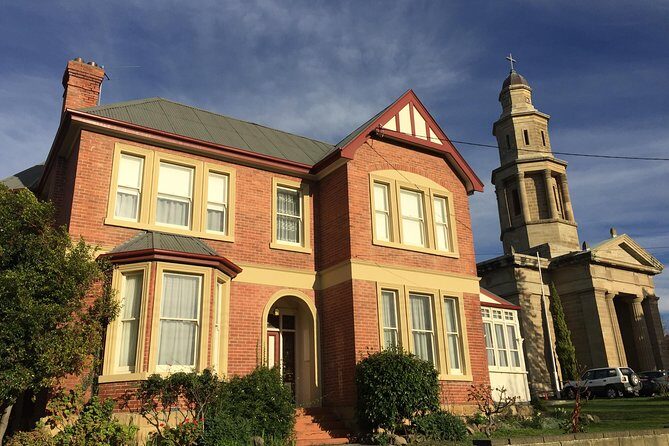
A Battery Point walking tour works because the details are right where your feet land. Instead of racing between attractions, you get time to look at house forms, street corners, and the overall “feel” of the area as it changes from elegant to modest.
This tour is built around a simple idea: explain how Hobart grew, then point to the buildings that show that growth. The district is known for some of the oldest homes in Tasmania, and you’ll see multiple architectural styles that reflect different eras and different social classes.
For value, what stands out to me is what’s included: a professional local guide with live commentary, plus a route that connects several major reference points (Parliament House, Arthur Circus, and Salamanca Place). For $27.26 per person, that’s not just a walk with directions. It’s a guided story route where you learn why the neighborhood looks the way it does.
The one thing to plan for is that you’re not getting food in the ticket. That’s not a deal-breaker, but it does mean you should be ready for a coffee-and-snack stop after.
Other historical tours in Hobart



Meeting at Parliament House Waterfront and Getting Oriented
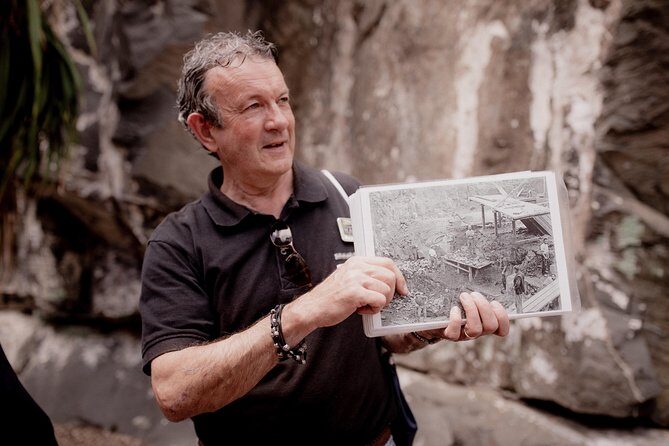
You meet outside Parliament House at 1 Salamanca Pl, right by the Salamanca Place waterfront. That’s a smart starting point because you’re already in the part of Hobart that’s easy to orient from, and you can settle into the walk without a complicated transit shuffle.
From there, the guide sets the tone for the district and its residents as you move. Expect the early minutes to act like a briefing: where you are, what the area used to be known for, and what kinds of stories you’ll be hearing. The tour is designed to be leisurely, so it’s also a good fit if you want a calmer activity day rather than a packed checklist.
One practical plus: the meeting point is close to public transportation, and the ending point at Salamanca Place is also in the same overall area. You can build the rest of your day without feeling stuck crossing the city later.
Cottage Green to Battery Point: Architecture You Can See and Compare
Battery Point is described as once farmland known as Cottage Green, and the best way to understand that shift is on foot. As you walk, the guide points out how wealth and trade shaped what got built and where it ended up—something you can’t really absorb from a single photo angle.
What you’ll notice quickly is how the homes vary. The district includes colonial-era grandeur as well as simpler cottages associated with workers. That range isn’t just aesthetic; it reflects who benefited as Hobart’s economy expanded and how different groups lived in the same broader neighborhood.
The guide also ties those building differences to the district’s development. You’re hearing stories about influential figures and the flow of resources tied to the docks and warehouses. The key idea is that Battery Point’s streets show money moving through Hobart—trade and shipping connected to the British Royal Navy, with timber, wool, and rum linked to Salamanca docks.
This kind of tour is ideal if you like architecture that has a social story behind it. You’ll also get a steady rhythm rather than a stop-and-go sprint, which makes it easier to keep your attention on what matters: the street scale, the building details, and why they were put there.
Parliament House Views to Arthur Circus: The Street Layout Moment

As you move through Battery Point, your guide is not only describing buildings. They’re helping you read the neighborhood like a map. That matters most when you reach Arthur Circus, which is included as a highlight.
An included stop like Arthur Circus is valuable because it gives you a physical “anchor” to understand the district’s layout. You get a clearer sense of how streets connect and how the neighborhood’s design influenced where people lived and moved.
The guide also connects the circus and nearby areas to a standout storyline: dubious property dealings by Governor Arthur. Even if you don’t know anything about Hobart’s governance history, the guide’s job is to make the name and the behavior meaningful in real place terms.
One small drawback to keep in mind: because the tour is only about 2 hours, you’ll get the main highlights rather than a super slow, deep-detailed architectural seminar. That’s usually a benefit for most people. If you love studying facades for a long time, you may want to plan extra time on your own at the end.
Governor Arthur, Reverend Knopwood, and Alexander MacGregor
This is where the tour turns from scenic walking into real character-driven history. The stories are specific, and they’re tied to how the neighborhood developed.
You’ll hear about:
- Governor Arthur and the property deals tied to how land changed hands
- The fall of the carousing Reverend Knopwood
- Ship-building tycoon Alexander MacGregor, including the fact that some of his finest grand Georgian homes still stand today
I like this approach because it avoids turning the tour into a list of dates. Instead, you’re building a mental model: people had power, money flowed through Hobart, and then that shows up on the streets in buildings that are still there.
If you’re the kind of traveler who enjoys history with a little attitude, this tour delivers. It’s not dry. The guide’s tone matters, and multiple guides have been noted for turning the walk into something fun as well as informative, with local guides such as Lisa and Bec mentioned for their humor and ability to answer questions.
You’ll also pick up a sense of how the district’s “quiet and exclusive” reputation fits with the practical reality of shipping and trade. The neighborhood didn’t get its character by accident. Wealth came from the movement of goods through Salamanca docks and warehouses, then ended up influencing who could build what.






Finishing at Salamanca Place: Make Your Next Move Easy

The walk ends at Salamanca Place, which is famous for its Saturday markets—the oldest markets in Australia. Even if you’re not visiting on a Saturday, the area is still a great place to land because it’s built for lingering: you can browse, snack, and reset without needing a second itinerary.
This finish is practical for your schedule. Starting at Parliament House and ending at Salamanca Place keeps the tour in a tight geography, which means you don’t waste time crossing town after you’re done.
Your guide will also point you toward favorite cafés for a coffee after the tour. That little extra guidance is worth something because Salamanca Place is popular and it’s easy to guess wrong when you’re tired and hungry.
The tour also mentions places to sit or perch along the route, which you’ll appreciate as you get closer to the finish. The idea is that you’re walking a route, not challenging yourself on distance.
Price and Logistics: Is $27.26 Worth It?

At $27.26 per person for about 2 hours with a professional local guide, I think the value is strong—mainly because you get more than scenery.
Here’s what you’re paying for:
- Live commentary (the guide’s role is the main product)
- A route that includes standout landmarks like Parliament House, Arthur Circus, and Salamanca Place
- Small-group pacing, with a maximum of 8 travelers, which makes it easier to ask questions without feeling rushed
The tour is also easy to plug into your day. It’s on city pavements and described as not too strenuous for most people. That means you don’t need special planning or extra time buffers like you would for steeper hikes.
Two practical notes that affect value:
- Food and drinks aren’t included, so budget for a post-walk café stop.
- Weather can change your comfort level since it runs in all conditions. Dress appropriately, and you’ll keep the experience pleasant.
One more timing detail: bookings average around 61 days in advance. If your dates are fixed (or you want a specific guide slot), booking early reduces the chance of settling for a less convenient time.
Who This Tour Suits Best

This tour is a great match if you want a calm, story-led introduction to Hobart’s older neighborhoods. It’s also a good idea if you enjoy architectural variety—because the route includes homes ranging from colonial-style grandeur to cottages for workers.
It’s especially good for:
- First-time visitors who want the big landmarks and the local texture, without cramming
- Travelers who like history that’s connected to real places you can point to
- Anyone who appreciates a relaxed pace and a small group
It’s less ideal if you want a long, highly detailed, stop-by-stop museum-style itinerary. Two hours is plenty to get oriented and learn the main story threads, but it won’t replace a longer independent exploration.
Families should know children must be accompanied by an adult, and since it’s a walking tour, plan for kid-friendly pacing and breaks when needed. Service animals are allowed, and the route includes places to sit along the way.
Practical Tips for a Comfortable 2-Hour Walk
You’ll be on a walking route along city pavements for about 2 hours, so the basics matter more than anything fancy.
- Wear comfortable shoes. You’re walking through older neighborhood streets, not a smooth indoor corridor.
- Dress for changing weather. The tour operates in all weather conditions, so bring a rain layer or umbrella if that’s your style.
- Bring your camera, but also pause without rushing shots. The guide’s stories are meant to be heard while you look.
- If you need to slow down, use the seating opportunities along the route. The plan includes perching spots, not just standing time.
- If you’re starting from elsewhere, plan to arrive at Parliament House with enough time to meet the guide near Salamanca Place waterfront.
If you want to extend your day, your last step is easy: head into Salamanca Place for coffee and keep exploring once the tour ends.
Should You Book Historic Battery Point?
I’d book this tour if you want a friendly, efficient way to understand how Hobart formed—through the streets, the homes, and the people tied to how the district developed. The live commentary and the balance of landmarks (Parliament House, Arthur Circus) plus neighborhood texture (the houses and their social mix) make it a strong first-or-second-day activity.
Don’t book it if you’re looking for a food-focused tour or a long walking day. Also, if bad weather ruins outdoor plans for you, make sure you’re ready to dress appropriately because the tour runs in all weather.
If you like walking tours where the guide actually explains what you’re seeing, this one belongs on your Hobart list.
FAQ
How long is the Historic Battery Point walking tour?
It’s approximately 2 hours.
Where does the tour start and end?
It starts outside Parliament House at 1 Salamanca Pl, Hobart TAS 7000, Australia. It ends at Salamanca Place, Salamanca Pl, Hobart TAS 7000, Australia.
What’s included in the price?
The tour includes a professional local guide.
Is food or drinks included?
No, food and drinks are not included.
Is the tour strenuous?
It’s described as a walking tour along city pavements, and most travelers can participate. It’s not presented as overly strenuous.
Is it suitable for children?
Children must be accompanied by an adult.
Does it run in bad weather?
Yes, it operates in all weather conditions, so dress appropriately.
What if I miss the tour because my cruise ship is late?
Refunds will not be issued if the tour/activity is missed due to late or non-arrival of cruise ship.
What’s the maximum group size?
The tour has a maximum of 8 travelers.