REVIEW · HOBART
Day Tour in Mt. Field, Mt. Wellington, Bonorong Wildlife Sanctuary and Richmond
Book on Viator →Operated by iWander Tasmania · Bookable on Viator
Tasmania in one day, with real stops. This tour is a smart mix of rainforest waterfall time and close-up wildlife at Bonorong. You also get big views at Mount Wellington and a heritage-style break in Richmond, all with guide-led context along the way.
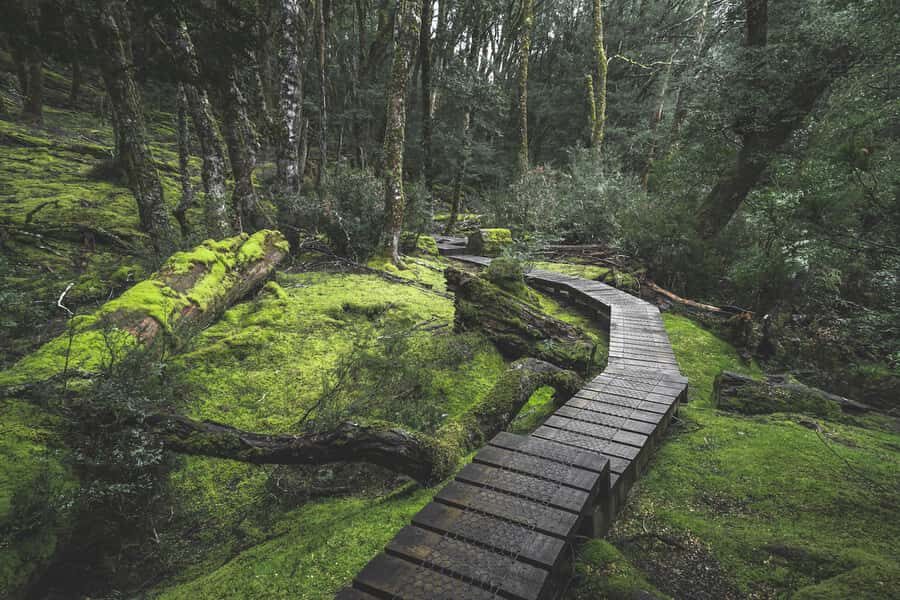
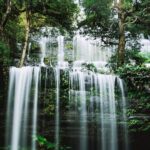
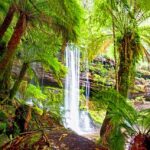
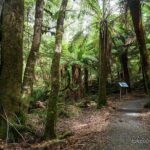
I especially love how the day starts in Mt Field National Park at Russell Falls with a calm, walk-and-watch pace. The mossy forest feel and the way the timing works give you room to enjoy the falls instead of racing through.
One thing to consider: the Mount Wellington finale can be windy and cold, and bad visibility happens with fog. If you want the best chance of clear summit views, bring warm layers and be ready to adjust your expectations.
In This Review
- Key highlights at a glance
- Why this Hobart day trip works so well
- The morning pickup and the Derwent River stretch
- Stop 1: Russell Falls in Mt Field National Park
- What could feel like a drawback here
- Stop 2: Bonorong Wildlife Sanctuary (Tassie devils and more)
- How your guide makes Bonorong better
- A small but real consideration
- Stop 3: Richmond Bridge and the heritage town of Richmond
- What might not work for everyone
- Stop 4: Mount Wellington (Kunanyi) summit drive and weather reality
- The upside of short summit time
- The guide factor: why names keep showing up
- Value for money: what you’re paying for
- Who this tour suits best
- Should you book this Mt Field–Bonorong–Richmond–Mount Wellington day trip?
- FAQ
- What time does the tour start?
- How long is the day trip?
- What’s included in the price?
- Is lunch included?
- How many people are on the tour?
- What if the tour is canceled due to poor weather?
Key highlights at a glance
- Max 20 people: easier conversations and more flexible stops than big buses.
- Russell Falls entry included: you skip ticket hassle and get straight into the rainforest walk.
- Bonorong Wildlife Sanctuary time: enough time to focus on Tassie devils and other animals in their exhibits.
- Scenic Derwent River drive: you get countryside views without needing a rental car.
- Mount Wellington summit drive: panoramic photo time, even if the weather decides to change fast.
Why this Hobart day trip works so well
If you’re basing yourself in Hobart, this is one of the cleaner ways to see the island’s south highlights without doing the driving. The route stacks four very different experiences into about 9 hours: waterfall rainforest, wildlife viewing, a heritage town break, and a mountain viewpoint.
The small-group size is a quiet superpower. With a maximum of 20 people, you tend to get smoother logistics at stops, and your guide can actually manage the flow. I also like that it’s not just driving past places. You get set time blocks to look around, ask questions, and reset your legs between long stretches of road.
The other part I appreciate is that entry costs aren’t something you have to figure out on the fly. Russell Falls and Bonorong both have admissions included, while Richmond and Mount Wellington don’t require paid entries on your end.
More Mount Wellington and Kunanyi in Hobart & Tasmania

The morning pickup and the Derwent River stretch
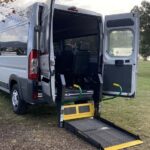
You start early, with pickup beginning around 7:50 am, then head out in an air-conditioned vehicle with round-trip transport from Hobart. This matters more than it sounds. The longer rural day trips can feel draining if you’re on public transport with transfers. Here, you’re loaded into a comfortable ride and you start with less friction.
As you roll out of town, you also get a scenic drive along the Derwent River. It’s the kind of travel moment that makes the day feel like a journey, not just a checklist. If you like looking out at farms, water, and changing weather on the horizon, this portion sets the mood for the rest of the trip.
Most of the time, this day trip runs with a local guide, and on some departures the guide may be multilingual. In the past, guides like Brett, Gerard, Hans, Jarrod, Gary, and Jo have shown up in customer feedback, and the common thread is how they connect the places to Tasmania’s animals, geology, and local story.
Stop 1: Russell Falls in Mt Field National Park

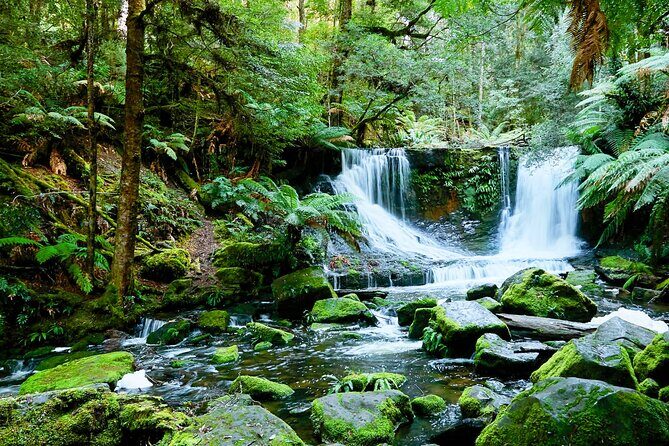
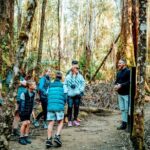
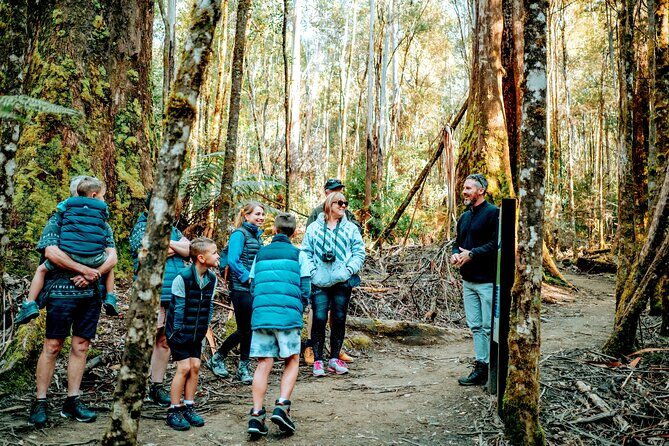
Your first real stretch is Mt Field National Park, with Russell Falls as the headline. You get about 1 hour 30 minutes here, which is a good amount of time for a waterfall stop that’s also a rainforest walk.
Mt Field is Tasmania’s first national park, and you can feel that in the visitor setup. You’re not wandering in complete wilderness with no sign of civilization. At the same time, you’re still getting that enclosed, cooler forest feeling that makes a waterfall stop feel special.
What I like about this timing is you can do the main walk at a comfortable pace and still have a little spare time to pause and look around. Reviews often mention the mossy forest vibe and that peaceful sense of being under trees. That’s exactly what you should aim for: slow down, watch your footing, and take in how the forest changes as you move toward the falls.
A practical note: Tasmania weather can flip quickly. If it’s misty when you arrive, don’t panic. Rainforest waterfalls can look even better in damp conditions, but you’ll want waterproof shoes and a light rain layer.
What could feel like a drawback here
The walk is the point of Russell Falls. If you’re not into walking around (even short walks), you might feel pressured to do more than you expected. Still, with the time block, you can choose your pace and focus on the view points you like best.
Stop 2: Bonorong Wildlife Sanctuary (Tassie devils and more)
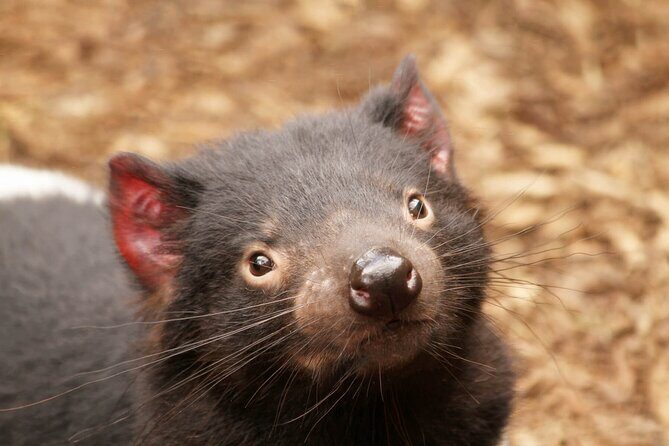
Next comes Bonorong Wildlife Sanctuary for about 1 hour 30 minutes. This is the closest stop to a classic Tasmania wildlife mission. It’s run as a social enterprise with a team of animal-focused people, and the vibe is human-scale. In plain terms: this is not a faceless zoo experience.
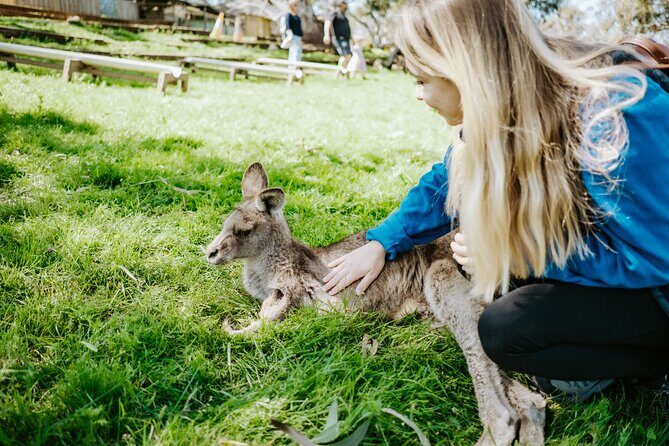
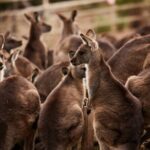
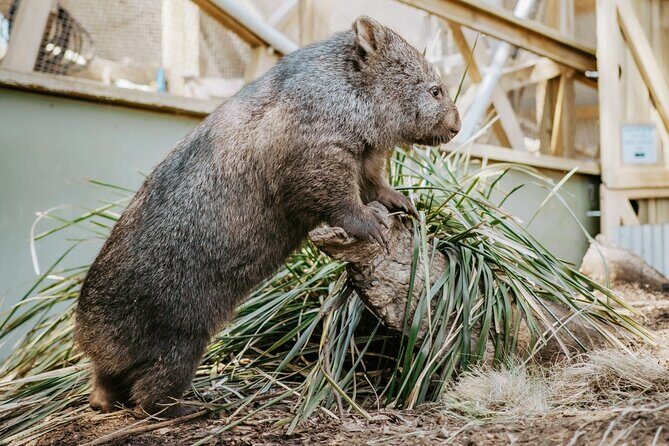
You’re there to see Tasmanian devils, and you also have the chance to see other native animals such as wombats and kangaroos. Some feedback also mentions seeing a white wallaby, and others talk about petting and feeding kangaroos. That’s a big reason this stop is popular, especially for families.
That said, I want to be honest about one reality: animal viewing is never fully predictable. On one day you might catch the devils at the right time, and on another you might not. Some people were disappointed about not spotting a specific animal, even though the park advertises opportunities during daylight hours. Your best strategy is to go with a flexible mindset: enjoy what’s visible, listen to what your guide explains, and don’t treat any single animal sighting as guaranteed.
More Bonorong wildlife in Hobart & Tasmania



How your guide makes Bonorong better
At Bonorong, a good guide turns seeing animals into learning. You’re not just staring into enclosures. You’re getting context about how species behave, what you’re looking for, and why Tasmania’s wildlife is so distinct.
In customer notes, guides like Brett and Hans were praised for connecting local wildlife and ecosystems. Jarrod and Gerard also came up with the same theme: the explanations make the exhibits feel less random and more meaningful.
A small but real consideration
Bonorong is often described as smaller than big wildlife parks. If you’re expecting a huge spread of activities, you might finish feeling like you want more. On the flip side, the time you get is well matched to a sanctuary visit, so you’re not stuck there for hours.
Stop 3: Richmond Bridge and the heritage town of Richmond
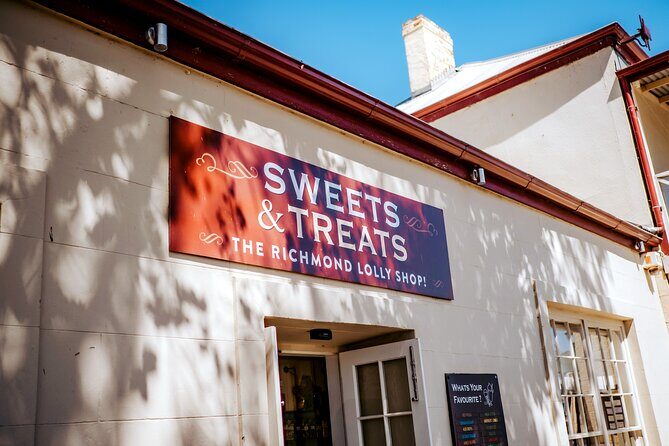
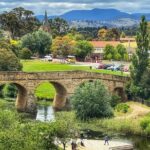
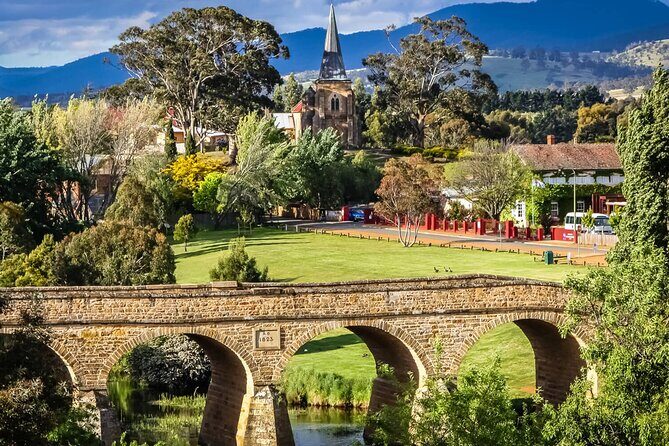
After wildlife, the day shifts gears to heritage and food: Richmond. You’ll spend about 1 hour 30 minutes here, including a stop at Richmond Bridge and time to explore the town.
Richmond is the kind of place where walking around is the attraction. You can browse local produce and enjoy the historic atmosphere at a relaxed pace. One detail I’d call out for value is that the town is known for pies, and some people specifically mentioned trying Tasmanian scallop pies and also a chicken and Camembert pie. If you like food as part of travel (not just fuel), this stop can be a highlight.
There’s no paid admission stop at this point, so you’re paying mainly for time and guidance. Since lunch isn’t included on the tour, Richmond is one of the natural places to sort out your meal. You’ll find that having a free lunch decision is actually a plus if you have dietary preferences or you want to try one signature local dish.
What might not work for everyone
If you’re not into heritage towns or browsing for snacks, Richmond can feel lighter than the national park stops. It’s still enjoyable, but it’s not the kind of place where you’ll fill every minute with one big draw. Treat it as a break from road time, not a full day attraction.
Stop 4: Mount Wellington (Kunanyi) summit drive and weather reality
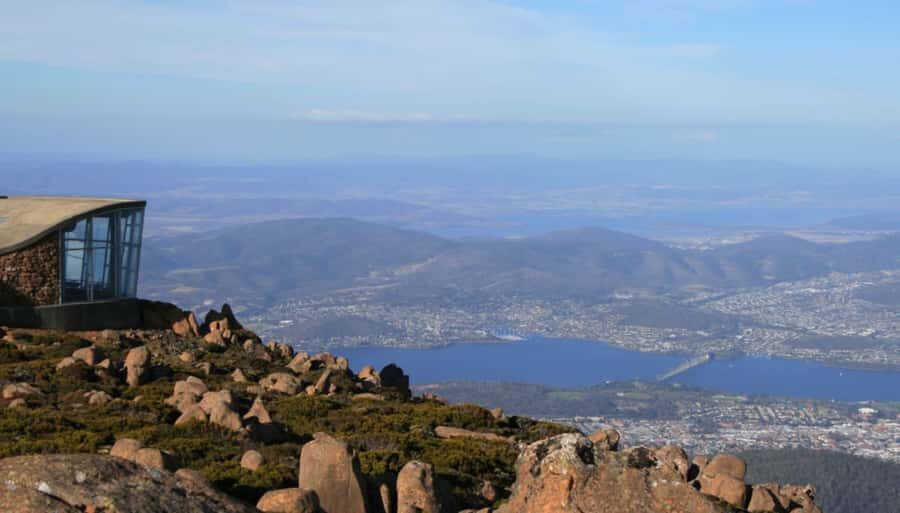
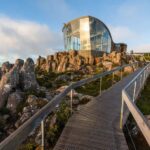
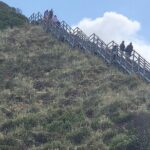
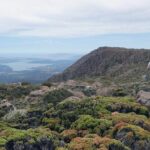
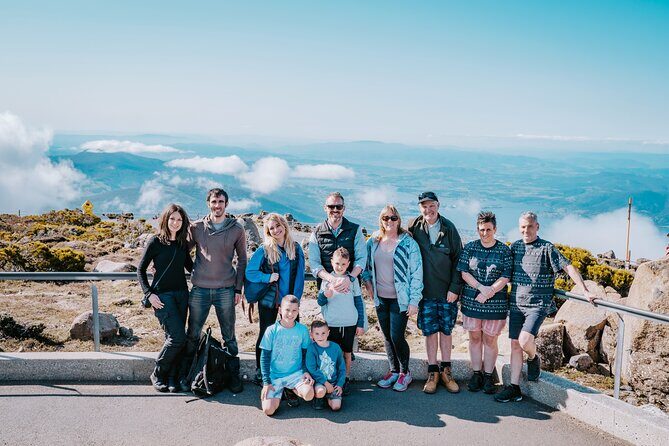
The final stop is Mount Wellington, also known locally as Kunanyi. You spend about 40 minutes on the summit drive and viewpoint time, and this is where the weather can turn the whole experience from postcard-perfect to proper Tasmanian windy.
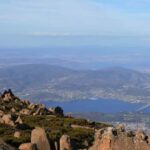
This is one of the reasons people love this day trip so much: the viewpoint payoff is huge when conditions are good. Reviews mention panoramic views over Hobart, and in some cases snow flurries and even a rainbow. That’s the kind of bonus that makes a guided day feel extra lucky.
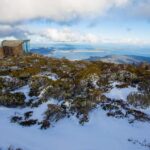
But here’s the practical part you’ll want to plan for. Multiple people noted that Mount Wellington can be encased in fog or extremely windy and cold, even when the rest of the day is decent. So the best move is to dress for summit conditions, not Hobart street weather.
Bring:
- Warm layers (even if it feels mild earlier)
- Wind protection
- Gloves or something close
- Something warm for ears, if you get cold easily
With only 40 minutes, you don’t have time to slowly troubleshoot discomfort. You either feel good and enjoy the view, or you rush because you’re freezing.
The upside of short summit time
Forty minutes sounds brief, but it’s often enough to:
1) park up,
2) take photos,
3) check visibility,
4) and walk to a viewpoint if the wind allows.
If fog rolls in, you’ll feel it fast. If the sky clears, you’ll get the reward without the tour running late.
The guide factor: why names keep showing up
A repeated theme in feedback is that guides set the tone. Names like Brett, Gerard, Hans, Jarrod, Gary, and Jo show up in positive write-ups, and the praise is consistent: clear explanations, good pacing, and a focus on wildlife, geology, and local context.
I think that matters a lot on this specific route. You’re moving from rainforest to sanctuary to town to mountain. Without a guide, it can feel like four separate stops. With a good guide, those stops start to connect into one coherent Tasmania story: how the land shaped wildlife, how local history fits into the scenery, and why the island’s weather changes so fast.
Guides also help make timing feel reasonable. People mention that plans stayed smooth and that long road stretches didn’t become boring.
Value for money: what you’re paying for
At $128.39 per person, this isn’t a budget ticket in the strict sense. But you’re buying a bundle: round-trip transport from Hobart, an air-conditioned vehicle, a local guide, and paid entries for Russell Falls and Bonorong Wildlife Sanctuary.
So the question isn’t just cost. It’s what you’re avoiding. You’re avoiding:
- hiring a car for a full day,
- paying for parking and fuel,
- and spending time figuring out entry logistics for the key stops.
Also, the group size caps at 20, so you’re not just paying for transport. You’re paying for a shared-day plan that keeps the stops coherent and the pace livable.
The main extra cost you should expect is food. Lunch isn’t included, so you’ll either bring something or plan to buy food during stops, especially around Richmond.
Who this tour suits best
This day trip is a strong fit if you:
- want a big Tasmania sampler without changing hotels,
- love wildlife viewing and want time at a dedicated sanctuary,
- enjoy short walks and scenic viewpoints,
- prefer guided pacing over planning every turn.
It’s also a good match for families. Feedback includes mentions of kids being engaged at Bonorong, and the overall structure is friendly: enough time at stops, not just quick photo stops.
If you’re the type who hates driving on winding roads or you get motion sick, you’ll want to plan carefully. Also, if your top priority is being at one place for a whole afternoon, this route might feel too fast. It’s built for variety.
For wildlife trips somewhere else entirely, #1 Blue Mountains Tour Scenic World has Sydney.
Should you book this Mt Field–Bonorong–Richmond–Mount Wellington day trip?
I’d book it if you want the classic south Tasmania mix: waterfall rainforest, real wildlife time, a heritage town break, and big summit views. The best part is how the included admissions and pickup reduce friction, so you spend the day actually seeing things.
I would think twice if you’re extremely weather-sensitive. When Mount Wellington is fogged in or windy, the view can be limited, and you’ll feel that quickly with only 40 minutes on top. Still, even in tough conditions, you’re likely to come away with a memorable day thanks to Russell Falls and Bonorong.
If you do book, pack like a summit weather person and bring spending money for lunch. You’ll get the most out of a packed, well-timed day.
FAQ
What time does the tour start?
The tour start time is 7:50 am.
How long is the day trip?
The duration is about 9 hours.
What’s included in the price?
The price includes a local guide, selected hotel pickup and drop-off, an air-conditioned vehicle, Russell Falls entry, and Bonorong Wildlife Sanctuary entry.
Is lunch included?
No. Lunch is not included.
How many people are on the tour?
The tour is limited to a maximum of 20 travelers.
What if the tour is canceled due to poor weather?
This experience requires good weather. If it’s canceled due to poor weather, you’ll be offered a different date or a full refund. You can also cancel up to 24 hours in advance for a full refund.