REVIEW · HOBART
Salamanca Walk – History Tour
Book on Viator →Operated by Peter Lutz · Bookable on Viator
Convicts in the middle of pretty streets. This 2.5-hour walk links Salamanca and Battery Point, turning convict-era chaos into something you can actually picture street by street. Old photos and drawings do most of the heavy lifting as you move through the area’s best-known landmarks and overlooked details.
I love how the guide uses photos and drawings to compare then and now, so the past stops being abstract. I also like the small group size, capped at 15, which keeps the walk relaxed and makes questions feel welcome.
The one drawback to consider is time on your feet. It’s not described as strenuous, but it is mostly a steady walking-and-listening format for about 2.5 hours.
In This Review
- Key highlights to know before you go
- Hobart’s convict story is easier when you walk it
- Starting at Salamanca Arts Centre: get your bearings fast
- Arthur Circus Park: where early Hobart takes shape
- St David’s Park and Battery Point: convict labour meets the view
- What the guide’s photos and drawings do for you
- Salamanca Place: mansions, markets, and the shifting town
- Pace, stops, and what to do before you start
- Price and value: $28.69 for a small-group story you can use
- Is this the right fit for your Hobart day?
- Who should book this, and who should skip it
- FAQ
- FAQ
- How long is the Salamanca Walk History Tour?
- Where does the tour start?
- What is the group size?
- Is the walk strenuous?
- What’s included in the ticket price?
- Are food or drinks included?
- Are children under 16 free?
- Can I cancel for a full refund?
- Are service animals allowed?
Key highlights to know before you go

- A gentle, no-rush stroll between Salamanca and Battery Point
- Convict labour stories connected to what you see today
- Arthur Circus Park and St David’s Park as real stop points
- Photos, drawings, and maps that help you picture the colony
- Guides who answer questions and add humor and local tips
- Family-friendly option with free tickets for children under 16
Hobart’s convict story is easier when you walk it
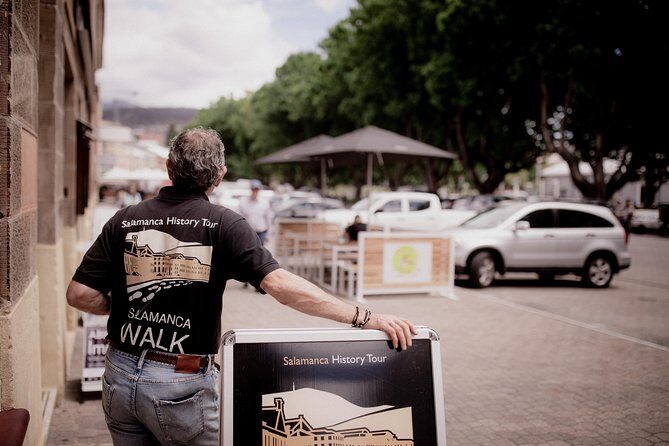
Hobart’s early years can feel like a lot of names and dates. This tour makes it concrete by walking you through the places tied to the colony’s beginnings, especially around Salamanca and Battery Point. You’re not just hearing about punishment and control. You’re seeing the physical results of early settlement choices in the streets, parks, and buildings.
What I like best is how the stories cover different roles in the same neighborhood. You hear about craftsman, clergyman, free settlers, merchants, and convicts. That mix matters, because it shows how a town grew from forced labour and hard work into something more structured and commercial.
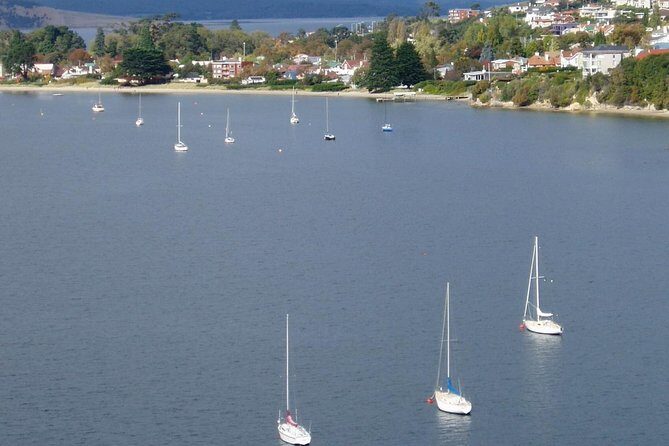
Also, Battery Point sits right with the Derwent River as a constant backdrop. When you can look out over the water while hearing how people hunted whales or quarried stone, the history lands better than it does in a museum room.
More Hobart city walking in Hobart & Tasmania



Starting at Salamanca Arts Centre: get your bearings fast
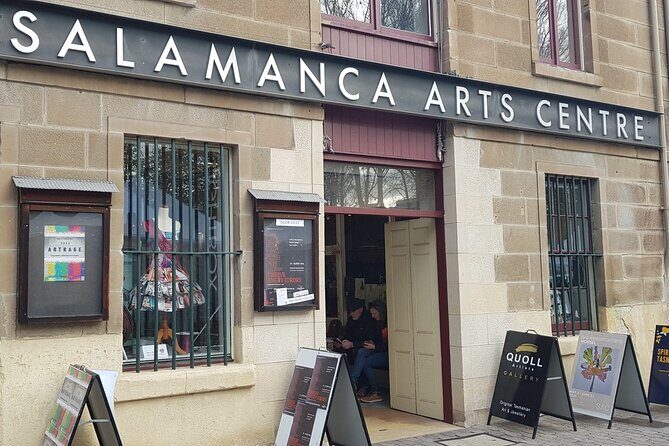
You start at the Salamanca Arts Centre on Salamanca Place, right where Salamanca’s energy meets its older bones. The address is easy to find, and the meeting point is close to public transport, which helps if your day in Hobart has a busier schedule.
This tour runs at a gently paced speed, and it’s built for people of many ages. That doesn’t mean it’s a slow sightseeing crawl. It means you get time at each stop to listen, look, and take in the area without feeling rushed.
In past experiences described by guests, the guide has been friendly and interactive, with room for questions. That’s a practical plus if you like to steer a conversation toward the stuff you care about, like family connections or how Hobart changed as it grew.
Arthur Circus Park: where early Hobart takes shape
One of the first stops is Arthur Circus Park, a spot that sounds simple until you start hearing what it represents. It’s one of those places where the layout and greenery connect you to how the area has changed over time.
One detail that stands out from the stories shared on this walk is the mention of a pine coming from America. That kind of local botanical trivia might sound minor, but it makes the town feel lived-in rather than frozen in time. You start noticing how settlement influences everything: not just buildings, but also plantings and the feel of public space.
Arthur Circus Park is also a good moment to reset your eyes. You’ve just begun, so this stop helps you learn what to look for next. If you pay attention here—street corners, building edges, and small visual cues—you’ll spot more as the walk continues.
If you’re the type who gets restless early in tours, Arthur Circus Park tends to work well because it’s a real pause with real stories. If you’re the opposite—always scanning for architectural clues—you’ll have plenty to catch.
St David’s Park and Battery Point: convict labour meets the view
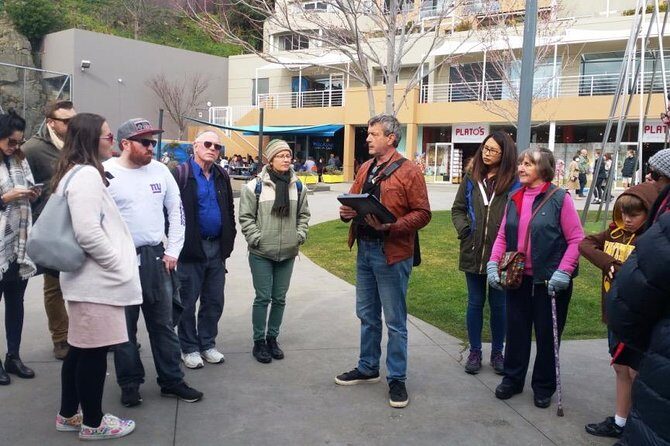
The walk continues to St David’s Park, where the setting helps frame the Battery Point portion of the story. This area is tied tightly to the convict heritage of Hobart, and the guide’s job is to connect that past to what you can still see.
Battery Point is famous for its older architecture and its position over the Derwent River. That river view is useful because it anchors the practical side of early settlement. People didn’t live here in a vacuum. They moved goods and labour, hunted and worked, and built the foundations of Hobart under harsh conditions.
The stories you’ll hear aren’t only about punishment. They include the work itself and who performed it. You can expect details about convict labour used to quarry stone, and about how people engaged in whale hunting as part of early survival and trade. Those specifics matter because they explain how the colony functioned on a day-to-day level, not just as a headline.
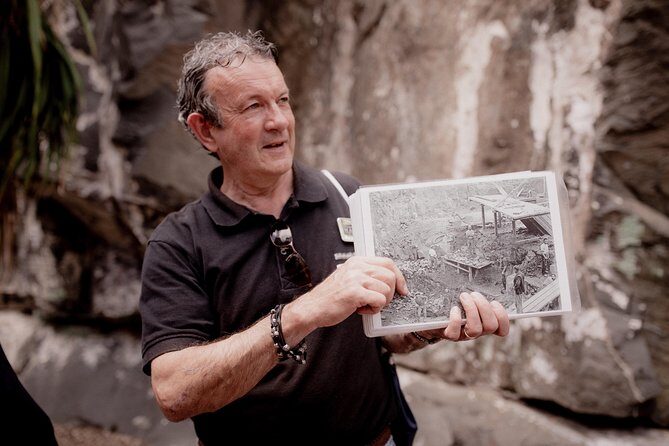
Battery Point’s layout also gives you a chance to compare past and present in a very visual way. One reason the tour feels more engaging than a typical history walk is the way old photos and drawings get used to show what you’re looking at now, and what used to be there.
What the guide’s photos and drawings do for you

This tour includes pictures and drawings that support the stories as you move. That matters more than it sounds. Salamanca and Battery Point are visually beautiful, but beauty can trick your brain into assuming everything was always that way.
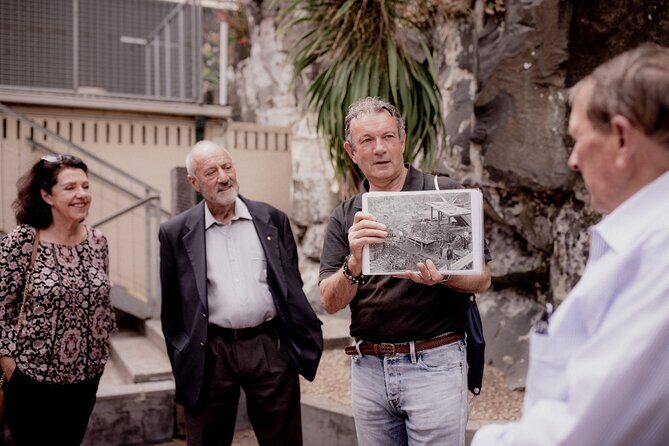
The photo-and-drawing approach turns the walk into a comparison game. You look at a corner, a building, or a park edge, then the guide shows what the area looked like when settlement was newer and more brutal. It’s the difference between knowing history exists and actually seeing it.
The guides mentioned in past groups—like Peter Lutz, and also Carmen and Lydija—are described as energetic and friendly, with a humor style that keeps the tour from turning stiff. The same reviews also highlight that the guide has plenty of old images and will answer questions well.
I’d think of it like this: the guide is giving you a visual sketchbook in motion. Without that, you can easily walk past details that were meant to be clues. With it, those clues become obvious.
Other walking tours we've reviewed in Hobart


Salamanca Place: mansions, markets, and the shifting town
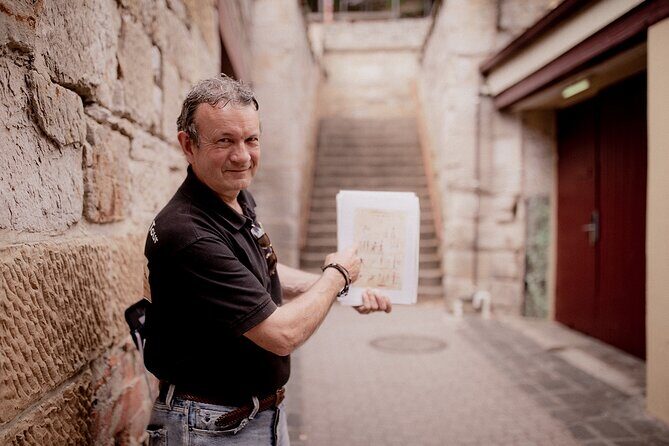
The tour centers on Salamanca and Battery Point, so Salamanca Place is part of the experience in a meaningful way. It’s not just about pretty streets. You’ll get a sense of how the area shifted toward markets and commerce while still carrying convict-era scars.
Salamanca’s story also connects to memorials and names tied to early settlement. One highlight described in group feedback is the First Fleet memorial area in Salamanca Place, where you can see names that connect people to the early past. If family history is a big part of why you travel, this kind of stop can feel personal fast.
You’ll likely also get time to look at older buildings, including the kind of mansions and gardens that give Salamanca its distinctive look. The practical value here is that you learn how to read the street without needing a background lecture.
If you’ve walked through Salamanca before and thought it looked charming but random, this walk helps you form a story map. You start understanding why certain streets and structures matter, not just that they look good in photos.
Pace, stops, and what to do before you start
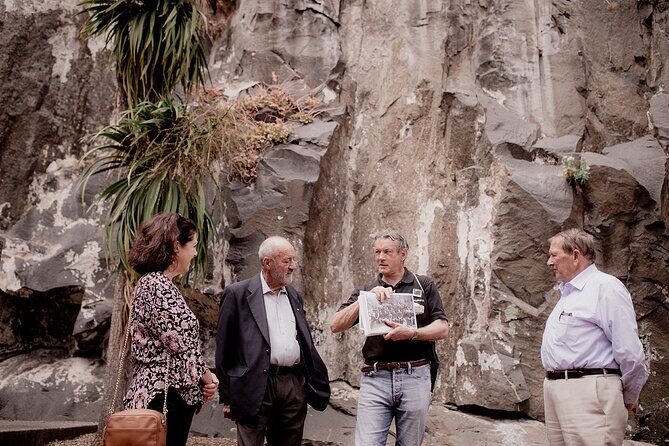
The walk is described as physically not demanding, and people of many ages are able to attend. Still, it’s smart to treat it like a 2.5-hour stroll with standing time built in. You’ll want comfortable shoes, especially if Hobart weather changes and the ground feels cooler or damp.
Because food and drinks are not included, plan a snack or a lunch slot after the tour. A smart strategy is to arrive hungry but not starving. That way, the history builds your appetite for lunch, and you can use the guide’s local recommendations if you want them.
One more practical point: you’ll be on foot and listening at the same time. That means you may not spend long stretches just wandering on your own. If your ideal tour includes lots of quiet time or repeated photo stops, you may find the experience runs “full speed” for your taste. A small group helps, but the format is still a guided story at a steady pace.
Price and value: $28.69 for a small-group story you can use
At $28.69 per person, this is priced in the range of an excellent guided walking add-on rather than a big-day production. For me, the value comes from three things.
First, you get a compact 2 hours 30 minutes that covers a meaningful part of central Hobart history instead of fragments. Second, the inclusion of pictures and drawings gives the guide’s narrative something concrete to stand on. It’s not just talk; it’s visual support that helps you learn even if you’re not a trivia person.
Third, small-group size makes a difference. With a maximum of 15 people, the tour doesn’t feel like an assembly line. That matters if you like interaction, or if you need a moment to process what you just learned and look again.
If you’re coming with kids, it gets even better. Children under 16 get free tickets, which makes this a realistic family-history outing rather than a costly one.
And the tradeoff is straightforward: food and alcoholic beverages are not included. So you’ll be paying for your own meal later, and you should budget for that like you would with any sightseeing walk.
Is this the right fit for your Hobart day?
This walk fits best if you want history that’s tied to streets you’ll keep seeing after the tour. If you plan to wander Salamanca later, this kind of guided start gives you a mental map, so you’re not guessing what you’re looking at.
It’s also a good match if you like small-group energy. When you can ask a question and get a thoughtful answer, the tour becomes more than a guided route. Several groups describe the experience as relaxing and interactive, with guides who are happy to field questions.
If you prefer history in museum form—quiet rooms, minimal walking, long pauses—this might feel a little fast. One group noted that 2.5 hours without a sit-down can be tiring. That’s the only repeated “watch out” I’d put on your radar.
Who should book this, and who should skip it
Book it if:
- You want a guided way to understand Salamanca and Battery Point beyond the postcard view.
- You enjoy photo comparisons that explain why the town looks the way it does.
- You like asking questions and getting answers in real time.
- You’re traveling with kids and want a low-cost history outing since children under 16 are free.
Skip it if:
- You want a tour with long seated breaks.
- You hate walking and listening at the same time.
- You only want high-level summaries and no street-level detail. The tour works because it gets specific about sites and labour.
FAQ
FAQ
How long is the Salamanca Walk History Tour?
It runs for about 2 hours 30 minutes.
Where does the tour start?
The tour starts at Salamanca Arts Centre, 77 Salamanca Pl, Battery Point TAS 7004, Australia.
What is the group size?
It’s a small-group tour with a maximum of 15 travelers.
Is the walk strenuous?
The experience is described as physically not demanding and attended by all ages.
What’s included in the ticket price?
You get pictures and drawings of Hobart, Salamanca, and Battery Point.
Are food or drinks included?
No. Alcoholic beverages and food and beverage items are not included.
Are children under 16 free?
Yes. Children under 16 have free tickets.
Can I cancel for a full refund?
Yes. You can cancel up to 24 hours in advance for a full refund.
Are service animals allowed?
Yes. Service animals are allowed on the tour.