REVIEW · HOBART
Hobart Historic Walking Tour
Book on GetYourGuide →Operated by Hobart Historic Tours · Bookable on GetYourGuide
Hobart’s past walks beside you. On this Hobart Historic Walking Tour, you’ll hear convict tales and colonial stories while walking the streets that shaped Tasmania’s capital. It’s a compact way to understand why the city looks the way it does today, without getting stuck in museum lines.
I love the way the tour uses heritage-listed buildings as real story prompts, not just scenery. One guide named Diane (and another guide referred to as Dianne) gets praised for being easy to follow, with a helpful mix of humor and clear explanations.
The one thing to plan around is the timing. With 90 minutes, some parts can feel a bit rushed and a few stops aren’t the easiest places for photos from the sidewalk.
In This Review
- Key Things I’d Bet You’ll Care About Most
- Hobart Historic Walking Tour: What You’re Really Buying for $26
- Meet at Davey Street and Start With the Right Mindset
- Convicts, Colonial Architecture, and the Stories Behind the Streets
- Heritage-Listed Buildings and Cobblestoned Laneways: What to Notice
- Maritime Hobart: Waterfront Heritage and the Port-Town Link
- Pacing in 90 Minutes: How to Avoid Feeling Rushed
- What You’ll Actually Learn About Hobart’s Layout
- Price, Value, and When This Walk Makes Sense
- Weather, Clothing, and the Practical Stuff That Keeps the Walk Fun
- Who This Tour Is Best For
- Should You Book the Hobart Historic Walking Tour?
- FAQ
- How long is the Hobart Historic Walking Tour?
- What is the price per person?
- Where does the tour depart from?
- What language is the tour guide?
- Is the tour wheelchair accessible?
- What days does it operate in high season?
- What days does it operate in low season?
- What should I bring with me?
- Is there free cancellation?
- Is pay later available?
Key Things I’d Bet You’ll Care About Most

- Local guides who explain what you’re looking at and why it mattered
- Heritage-listed buildings and colonial streets that give the stories real texture
- Convict and maritime themes that connect Hobart’s past to its waterfront today
- A practical orientation to Hobart’s layout, so you can explore on your own afterward
- Photo-friendly vs. photo-tricky stops, depending on where you’re standing
Hobart Historic Walking Tour: What You’re Really Buying for $26
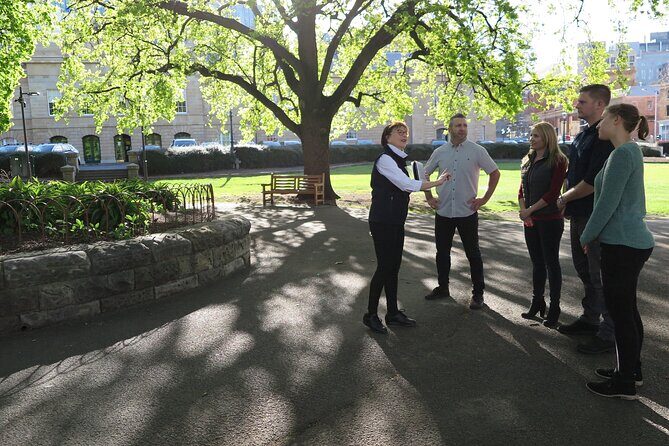
For $26 per person you’re not paying for a long day out. You’re paying for a fast, well-guided crash course in the colonial city—complete with the kind of street-level details you’d miss on your own. That makes it good value when your Hobart time is limited, or when you want a human story that turns buildings into context.
The tour also has a decent track record: it’s sitting around 4.6 out of 5 from 19 reviews. That lines up with what I’d expect from a short walking format—when the guide is good and the pace works, the whole thing clicks.
Just keep your expectations realistic. This isn’t a half-day lecture. It’s a 1.5-hour walking story. If you’re the kind of person who likes to linger at each viewpoint and take time composing photos, you may feel the squeeze.
More Hobart city walking in Hobart & Tasmania



Meet at Davey Street and Start With the Right Mindset

Your starting point is the Tasmanian Travel & Information Centre at The Hobart Travel Centre, 20 Davey Street. Arrive a few minutes early so you’re settled when the tour begins. In a city walk, that little buffer matters, especially when you’re about to be walking and listening at the same time.
Also, start the walk with one job in mind: train your eyes for the difference between what’s old, what’s adapted, and what’s new. Hobart has a mix of colonial-era structures and later changes, and this tour is designed to help you read that evolution. You’ll get an introduction to the city’s history and its present-day layout, which means you’re not just collecting facts—you’re learning how the city is organized.
Convicts, Colonial Architecture, and the Stories Behind the Streets
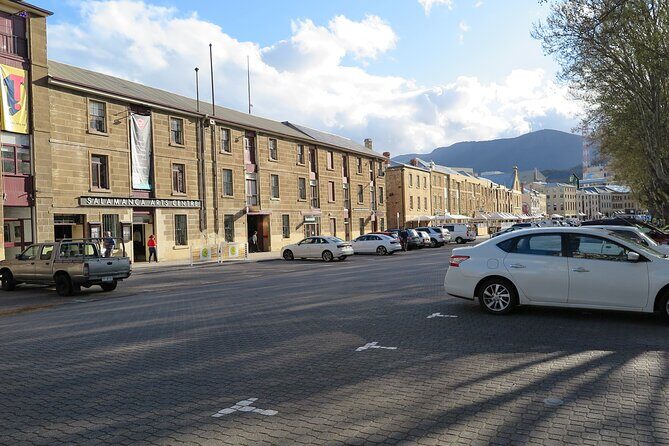
The core experience here is storytelling tied directly to what you’re seeing: Tasmania’s early days, convict tales, and the rise of Hobart as a port town. Even in just 90 minutes, that theme helps you understand why the city has both grit and charm.
This is also where local knowledge really shows. A good guide doesn’t just say, This building is old. They connect it to people and pressures: who arrived, what they faced, and how Hobart grew into a working colonial hub. You’ll hear stories of resilient characters and momentous events, and those stories do the heavy lifting of making the streets feel purposeful.
One practical benefit: you’ll leave with a mental map of key areas and the kind of history you’re looking at. That makes it easier to plan the rest of your day, because you’ll know what you’re searching for—maritime connections, convict-era remnants, or colonial architecture details.
Heritage-Listed Buildings and Cobblestoned Laneways: What to Notice
A lot of walking tours list highlights. This one focuses on the “why” behind the highlights. You’ll explore Hobart’s old town and pass heritage-listed buildings, plus the kind of cobbled laneways that make the city feel distinctly older than many modern streets.
As you walk, watch for three things:
- Street shape and angles: colonial-era layouts often created practical routes for movement and trade.
- Building scale and materials: they hint at how the city was built to survive, not just to impress.
- Small passageways and side lanes: these can be where stories live, even when the main road looks ordinary.
The tour is framed to make you notice forgotten legends and lesser details that shaped Hobart’s identity. You won’t just hear about the headline events; you’ll get a feel for daily life and the kinds of characters who moved through the city.
One more note on realism: the stops are designed for discussion, which means you might occasionally find yourself at locations that aren’t the easiest for perfect photos. That doesn’t ruin the tour, but it’s worth planning around if photography is a top priority.
Maritime Hobart: Waterfront Heritage and the Port-Town Link
Hobart’s story isn’t only land-based. This tour specifically includes waterfront heritage and maritime adventures. That’s a big deal, because it ties the convict and colonial narrative to something tangible: a working port needs ships, supplies, labor, and routes—and all of that shapes the way a city grows.
As you move through this section of the walk, you’re being guided to connect dots. The city isn’t just a collection of historic buildings; it’s a system. Shipping and trade influenced where people lived, where businesses developed, and which parts of town became central.
If you like history that feels practical—how people ate, worked, traveled, and survived—this maritime angle is usually the part that locks it all together. It also gives you something to look for later when you’re wandering independently, since you’ll recognize the waterfront connection as more than a scenic backdrop.
Other walking tours we've reviewed in Hobart



Pacing in 90 Minutes: How to Avoid Feeling Rushed
The time box is real. The tour runs for about 90 minutes, and some people find the flow a little quick. That can happen when there’s a lot to cover in a short walk, especially with multiple story stops.
Here’s how to make it work in your favor:
- Listen first, then take photos. When you stop for a story, you’ll remember more if you treat the photos as secondary.
- Bring a camera, but plan to accept that some stops are better for listening than for shooting.
- If you care about photos, be ready to reposition safely while staying with the group.
One review-style takeaway I’d echo: if the pace feels fast, don’t fight it. Instead, treat the tour like a guided orientation. Use what you learn to return later on your own with time to linger.
What You’ll Actually Learn About Hobart’s Layout
A key promise is that you’ll get an introduction to the city’s history and its present-day layout. That means the walking route is doing more than moving you from point A to point B. It’s teaching you how the older parts of Hobart relate to each other and how they connect back to the modern streets you’ll use the rest of the day.
That’s especially useful if you’re staying centrally and want to explore afterward without feeling lost. After the tour, you should be able to look at Hobart and say, Okay, I see how this area connects to the port story, and I get why these lanes feel like they were meant for getting around fast.
Think of it like learning the city’s “story geography.” Then your independent wandering becomes smarter and less random.
Price, Value, and When This Walk Makes Sense
Let’s talk value without sugarcoating. At $26, you’re paying for:
- a guided walk instead of a self-guided stroll,
- an expert local guide who explains what you’re seeing,
- and a tight 90-minute history orientation.
This is a smart use of time if:
- you’re in Hobart for a short stretch,
- you prefer walking and storytelling over museums,
- you want context before you start taking your own photos and exploring.
It’s less ideal if:
- you want a long, slow pace with lots of stops,
- you need plenty of time for picture-taking at each location,
- you dislike hearing lots of information quickly.
So my “value test” for you is simple: if you want the essentials and you’re okay moving at a brisk but reasonable tempo, it’s a good buy. If you want to linger, you may want to pair it with later self-guided time.
Weather, Clothing, and the Practical Stuff That Keeps the Walk Fun
Tasmania weather loves to surprise you, so dress for comfort. The tour suggests:
- comfortable shoes
- warm clothing
- hat
- camera
- a reusable water bottle
Even if the day looks mild, bring layers. A warm coat and hat are a small investment that protects the main thing you need: your energy for a full 90 minutes of walking and standing.
Also, plan for a walking rhythm. You’ll be stopping to listen, then moving again. Shoes with grip help, especially if you’re on older surfaces like cobbled laneways.
Who This Tour Is Best For
This walking tour is a strong fit if you’re any of these:
- a history-minded traveler who likes stories tied to streets and buildings
- someone who wants a quick introduction to Hobart’s colonial era and layout
- a curious local who wants to see familiar streets through a new lens
It also works well if you’re traveling with friends who have mixed interests. One person can focus on convict-era stories, another on the maritime angle, and you can all leave with a shared sense of the city.
If your group is very sensitive to pacing, agree ahead of time that the plan is a short walk with story stops. That reduces the chance of anyone feeling like they didn’t get enough time at each spot.
Should You Book the Hobart Historic Walking Tour?
Book it if you want a high-impact introduction to Hobart in 90 minutes—with expert local guiding, heritage buildings, and the convict-and-maritime threads that explain why the city feels the way it does.
Don’t book it expecting slow sightseeing or lots of time for perfect photos at every stop. If you’re photo-focused, plan to use this tour as research. Then go back later on your own with the context you picked up.
If you’d like a simple decision rule: choose this tour when you want direction—not just information. The payoff is leaving Hobart with a clearer mental map and stories you can connect to what you see next.
FAQ
How long is the Hobart Historic Walking Tour?
The tour lasts about 90 minutes.
What is the price per person?
It’s $26 per person.
Where does the tour depart from?
It departs from The Hobart Travel Centre at 20 Davey Street (Tasmanian Travel & Information Centre).
What language is the tour guide?
The live tour guide speaks English.
Is the tour wheelchair accessible?
Yes, it is listed as wheelchair accessible.
What days does it operate in high season?
During high season, it operates Monday to Saturday.
What days does it operate in low season?
During low season (June, July, August), it operates Wednesday to Saturday.
What should I bring with me?
Bring comfortable shoes, warm clothing, a hat, a camera, and a reusable water bottle.
Is there free cancellation?
Yes. You can cancel up to 24 hours in advance for a full refund.
Is pay later available?
Yes. There is a reserve now & pay later option, so you can book your spot and pay nothing today.