REVIEW · HOBART
Hobart History, People & Places – 2 hour city walk
Book on Viator →Operated by Hobart Walking Tours · Bookable on Viator
Hobart’s past is on every corner. This 2-hour city walk is one of the best ways to get your bearings fast while picking up real context, from British colonial beginnings to the Indigenous people of the area and their responses to invasion. I especially like the small-group feel and how the guide points out Georgian and Victorian details you’d otherwise walk past.
The main thing to consider is simple: this is still a walking tour. It runs along city pavements for about 2 hours, so you’ll want comfortable shoes, even though the route is wheelchair accessible and there are spots to sit or perch.
You’ll meet the guide outside the Henry Jones Art Hotel, then end near the action at Salamanca Place. After the walk, your guide will also steer you toward favorite cafés if you want a coffee reset.
In This Review
- Key things I’d watch for on this Hobart walk
- Why This 2-Hour Hobart Walk Works So Well
- Meeting at Henry Jones Art Hotel (and why the start matters)
- Hunter Street and the heritage buildings you’ll finally notice
- The waterfront stretch: colonial roots with real human context
- Working up toward the seat of power: church, courts, prison
- City parks with statues—and at least one darker twist
- Salamanca Place finish: where the markets give the ending extra meaning
- Guides, pace, and the small-group advantage
- Price and value: what $27.26 buys you in Hobart time
- Weather, shoes, and how to set yourself up
- Who this tour suits best (and who might want a different option)
- Should You Book This Hobart History Walk?
- FAQ
- How long is the Hobart History, People & Places tour?
- Where does the tour start and end?
- How much does the tour cost?
- Is the tour wheelchair accessible?
- What’s included in the ticket price?
- Do I need to bring food or drinks?
Key things I’d watch for on this Hobart walk

- Small-group cap (up to 10): more questions, less waiting around.
- Heritage architecture focus: Georgian and Victorian buildings become part of the story.
- Park stops with attitude: statues with background—and at least one darker secret that’s easy to miss.
- Power landmarks on foot: church, courts, and prison show up as you work toward the seat of power.
- Salamanca Place finish: perfect timing for planning around the well-known Saturday markets.
Why This 2-Hour Hobart Walk Works So Well
This tour is built for people who want a quick but meaningful orientation. You’re not just seeing big sights—you’re getting the “why” behind them, including both the colonial push and the Indigenous response to British arrival.
The pacing is also part of the value. With a 2-hour length and a guide who keeps things conversational, it’s easy to absorb without feeling like you’re stuck listening for hours.
More Hobart city walking in Hobart & Tasmania



Meeting at Henry Jones Art Hotel (and why the start matters)

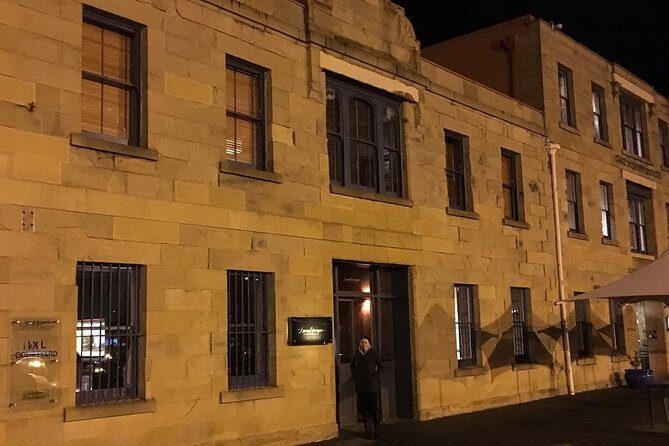
You’ll start at 25 Hunter St, meeting your guide outside the Henry Jones Art Hotel. That location is a smart launching point because it places you right in the central city—the part of Hobart most visitors naturally want to understand first.
It also keeps the experience straightforward. You’re not hunting for remote trailheads or complicated transfers. You just show up, find your guide, and start walking.
Hunter Street and the heritage buildings you’ll finally notice
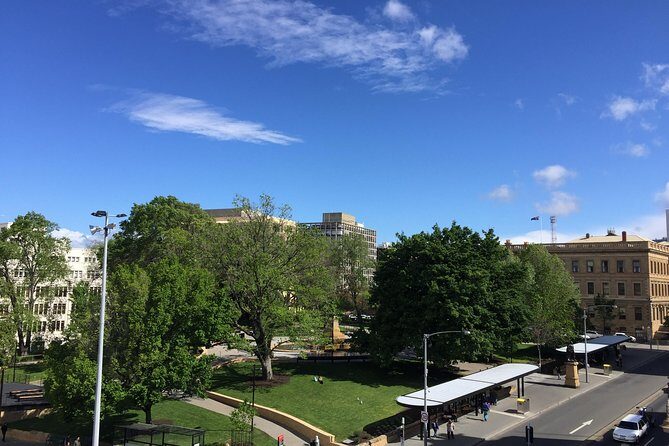
From Hunter Street, you’ll follow a route packed with heritage-listed architecture—especially the beautifully preserved Georgian and Victorian features that shape central Hobart.
Here’s what makes this stop category worth it: the guide doesn’t treat buildings like scenery. You’ll get details about the people, the colonial troubles and successes, and how the city took shape over time. After this, even a short stroll on your own feels more rewarding because you can “read” the street a bit.
If you care about photos, this portion is a good bet too. Several people call out how there’s plenty of time for pictures of the CBD as you go.
The waterfront stretch: colonial roots with real human context

Next comes the Hobart waterfront, where the tour’s theme shifts from buildings to broader story. You’ll hear about the British settlers’ experience—the friction, the survival challenges, and the turning points that shaped the capital of Tasmania.
The tour also includes Indigenous history and responses to British invasion, which matters because it keeps the narrative from being one-note. It’s one of the reasons this walk feels more than just a highlight reel.
Practical note: waterfront areas can feel different from the streets behind you—wind and weather can change fast. Since the tour runs in all weather conditions, dress for the conditions you’ll actually meet outdoors.
Working up toward the seat of power: church, courts, prison
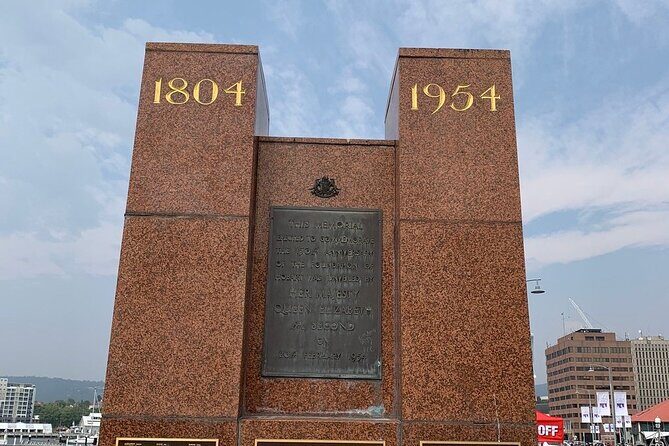
A big mid-walk highlight is moving up toward the seat of power—with stops connected to church, court, and prison. This is where Hobart stops being “pretty streets” and becomes an operating system: governance, law, and the institutions built to run society.
This section tends to land well with history lovers because it turns architecture and location into meaning. Even if you’ve seen these buildings from the outside before, you’ll likely understand them differently after hearing the stories attached to them.
Comfort tip: the tour is wheelchair accessible and there are places to sit or perch, but it’s still a walking route. Plan to take breaks when you need them—your guide is there to keep the group moving at a reasonable pace.
Other walking tours we've reviewed in Hobart



City parks with statues—and at least one darker twist

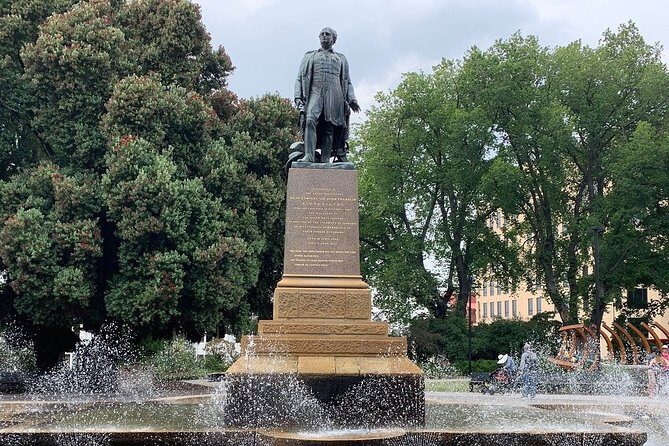
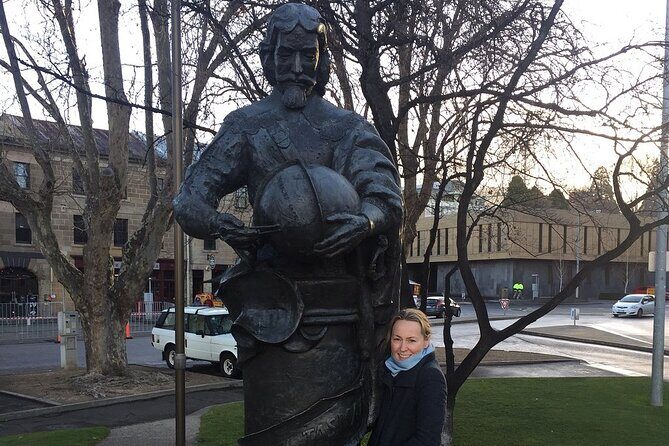
Then you’ll move into a city center park where the tour leans into the odd and memorable. Statues are part of the show, including the stories behind them—so you don’t just look at shapes and plaques.
After that, there’s another park stop that comes with a warning: there’s a dark secret many locals still don’t know about. The point isn’t shock value. It’s that the city hides layers in plain sight, and the guide helps you see what’s usually overlooked.
If you like tours that feel like walking conversations rather than lectures, this park segment is a strong match. It’s also a good moment to slow down and look around, because the information is tied to what’s right in front of you.
Salamanca Place finish: where the markets give the ending extra meaning
The walk ends at Salamanca Place on Salamanca Pl, which is a major draw for Hobart visitors. The big connection is the Saturday markets—described as the oldest markets in Australia—so if your timing aligns, you can carry the tour’s history straight into the local food and craft atmosphere.
Even when you’re not there on market day, Salamanca Place is an easy “anchor” to finish at. You have a clear endpoint, plus plenty of options nearby if you want to continue at your own speed.
Your guide can also point you toward favorite cafés after the tour, which is helpful when you’re ready for a reset and don’t want to guess.
Guides, pace, and the small-group advantage
This is a guided walk with a professional local guide. The difference with a good guide is how quickly they turn a route into a story you can remember—and the guide performance here seems to be a major reason people rate the tour so highly.
You’ll see names like Lisa, Deb, and Jan connected to the experience. The common thread: people highlight guides who are personable, fun, and able to answer questions clearly, without rushing you.
Group size matters too. The cap is up to 10 travelers, and some group experiences are described as having 8 in total. That’s small enough for questions and photo stops without feeling like a parade.
And because the tour is marked wheelchair accessible with places to sit or perch, it’s not just for fast walkers. It’s a better choice than many history tours if you want something manageable but still meaningful.
Price and value: what $27.26 buys you in Hobart time
At $27.26 per person for around 2 hours, the value comes from what’s included: a local guide who connects architecture, institutions, and Indigenous-and-colonial context into one walk. You’re not paying for transportation or an overstuffed itinerary—your main input is time on foot plus the guide’s interpretation.
It also competes well with pricier “big bus” styles of sightseeing because you get a tighter slice of central Hobart. You’ll spend your money on stories you can carry into the rest of your trip, not just passing views through a window.
For best value, treat the walk like your first-history dose. After that, your independent exploration around Hunter Street, the waterfront, and Salamanca feels much less random.
Weather, shoes, and how to set yourself up
This tour runs in all weather conditions, so you should dress for the day you actually get. That sounds obvious, but it matters because Hobart can shift quickly—especially on waterfront stretches.
Plan for pavement walking for roughly 2 hours. Comfortable shoes are the smart move, and using the spots to sit or perch when needed makes the experience easier to enjoy without stress.
Also remember: it’s city pavements. That’s good news for navigation and accessibility, but it still means you’ll want to pay attention to footing, especially if the ground is slick.
Who this tour suits best (and who might want a different option)
This is a great pick if you’re:
- visiting for a short time and want a high-impact overview
- interested in colonial roots plus Indigenous context
- the type of traveler who likes learning what’s behind statues and buildings
- coming with kids, as long as they’re accompanied by an adult
It may be less ideal if you:
- want a fully indoor experience (this is an outdoor walking tour)
- dislike walking for 2 hours at a city pace
- prefer very niche topics only (this tour is broad: architecture, power sites, parks, and waterfront)
Should You Book This Hobart History Walk?
I’d book it if you want a practical way to understand central Hobart in a short window. The small-group size, the focus on heritage architecture, and the way the guide links landmarks to the deeper story make it a strong “first-day” activity.
If you’re on the fence, here’s a simple test: if you enjoy walking and learning why places look the way they do, you’ll likely love this. If you’d rather do a long day trip, or you need everything to be mostly seated and indoors, you might want a different format.
FAQ
How long is the Hobart History, People & Places tour?
It’s an approximately 2-hour walking tour.
Where does the tour start and end?
The tour starts at 25 Hunter St, Hobart TAS 7000, and ends at Salamanca Place, Salamanca Pl, Hobart TAS 7000.
How much does the tour cost?
The price is $27.26 per person.
Is the tour wheelchair accessible?
Yes, the tour is wheelchair accessible, and there are places to sit or perch along the route.
What’s included in the ticket price?
The professional local guide is included.
Do I need to bring food or drinks?
Food and drinks are not included. Your guide can point you toward cafes after the tour if you want a coffee.