REVIEW · HOBART
Hobart: Maria Island National Park – Nature & Wildlife Adventure
Book on Viator →Operated by Tours Tasmania · Bookable on Viator
Morning ferries and wildlife.
This Maria Island day trip from Hobart mixes native animals, big coastal views, and World Heritage convict history on one well-timed schedule. You start early, ride a passenger ferry across the water, and then walk a set of island trails you would be slow to piece together on your own.
I especially like the way the day is built around guided interpretation and respectful wildlife viewing. The guide keeps you on tracks and boardwalks, teaches you what to look for (and how far to watch from), and helps the island’s stories land—without turning it into a checklist.
One consideration: this is a walking-focused tour with limited time tied to the ferry schedule, and conditions can affect certain sights. Painted Cliffs, for example, can be inaccessible at unsafe tide conditions, so you’ll want to treat it as “weather and tides permitting,” not guaranteed.
In This Review
- Key Things I’d Mark on Your Map
- Getting to Maria Island from Hobart: timing, ferry views, and the 6:45 push
- Triabunna: your pre-island reset and snack odds
- Maria Island National Park: wildlife watching with a “slow down” guide
- Swimming and beaches: the upside, with one big practical catch
- Fossil Cliffs: why the walking feels worth it
- Painted Cliffs and Hopground Beach: beautiful, but tide-driven
- Darlington convict history: why the island isn’t just wildlife viewing
- What to pack for Maria Island (so the day stays fun)
- Price and value: what you’re really paying for at $154.21
- Who this tour fits (and who should rethink it)
- Final call: should you book Maria Island from Hobart?
- FAQ
- How long is the Maria Island National Park day trip?
- What time does the tour start, and where do I meet?
- What’s included in the price?
- Is food available on Maria Island?
- How much walking is involved?
- What wildlife might I see on the tour?
- Can I cancel and get a refund?
Key Things I’d Mark on Your Map
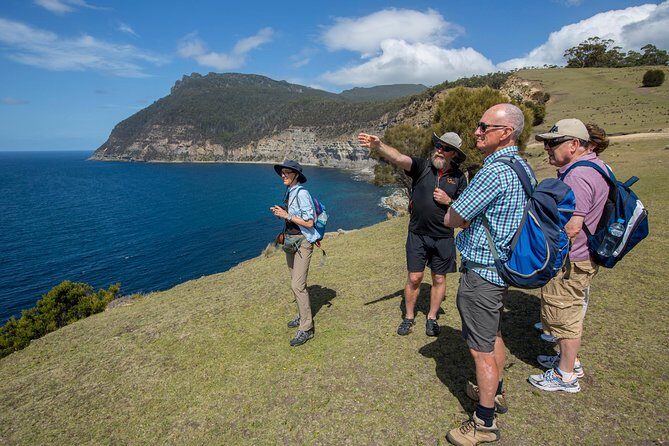
- Small group size (max 19) makes it easier to hear your guide and spot wildlife without rushing.
- Early Hobart pickup and a 6:45 departure keeps you from missing the ferry window.
- Whales and dolphins are possible on the ferry (seasonal), so keep an eye on the water early.
- Painted Cliffs and Fossil Cliffs are true walking highlights with easy-moderate trails and a total walk distance that adds up.
- Darlington World Heritage convict site adds depth beyond the scenery and animal sightings.
- No shops on Maria Island means you need your own lunch, snacks, and enough water.
Getting to Maria Island from Hobart: timing, ferry views, and the 6:45 push
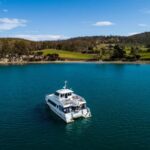
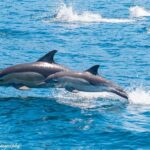
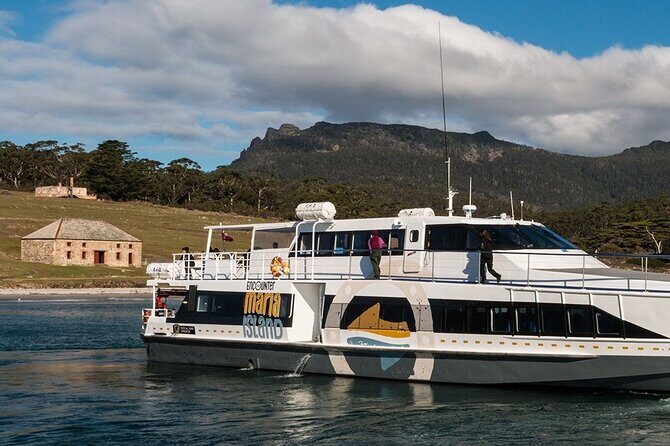
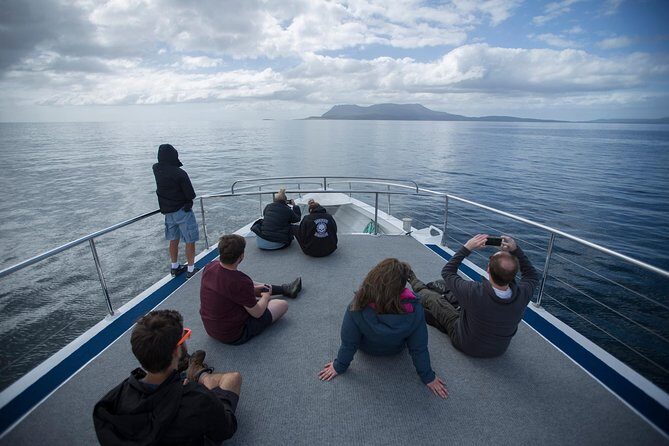
The day starts with you being picked up in Hobart early, then transferred by climate-controlled vehicle to the ferry. The ferry ride is about 30 minutes, and this is when your guide typically has you watching for wildlife at sea—whales and dolphins can show up, especially with the right conditions (it’s seasonal, so don’t plan your whole day around it).
The schedule is tight for a reason: the island has no cars, and the only practical way to get there and back is by passenger ferry. The operator leaves Hobart promptly at 6:45am, and they cannot wait if you’re late. If mornings aren’t your thing, set more than one alarm and aim to be early—this is not the kind of trip where you can “just be a few minutes.”
A nice bonus for value and comfort is the small group cap: 19 people maximum. That matters when you’re trying to spot wombats or keep your eyes on the guide for trail timing, and it helps keep the vibe calmer around wildlife.
More Maria Island in Hobart & Tasmania
Triabunna: your pre-island reset and snack odds
Triabunna is your first stop, and it’s mostly about getting everyone ready for the island day. Expect about 2 hours here, with your ticket covering that portion at no extra admission cost listed for this stop.
This is also where you should think practical: you’ll want food and water sorted. Since there are no shops on Maria Island, you’ll need to bring most of your supplies, and the day includes a brief stop on the way to the ferry for last-minute purchases like sandwiches and rolls. If you forget basics, Triabunna is your last realistic moment to fix it before the island.
Maria Island National Park: wildlife watching with a “slow down” guide
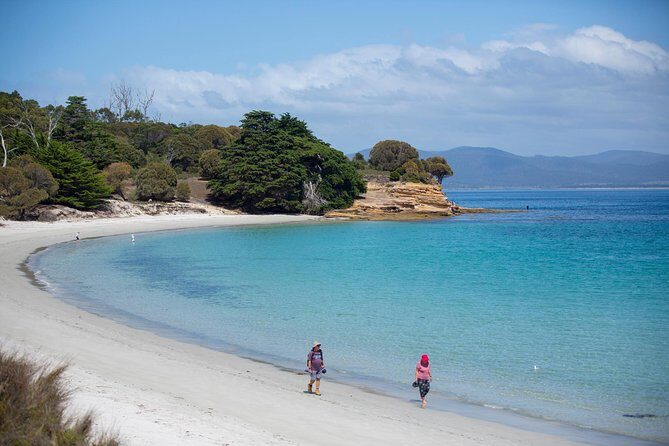
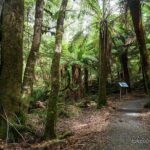
Once you step onto Maria Island National Park, the day shifts from travel mode to walking mode. You’ll spend about 4 hours with your guide in this core part of the visit, moving at a leisurely pace along trails suitable for people with moderate fitness.
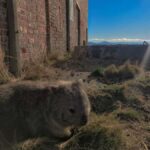
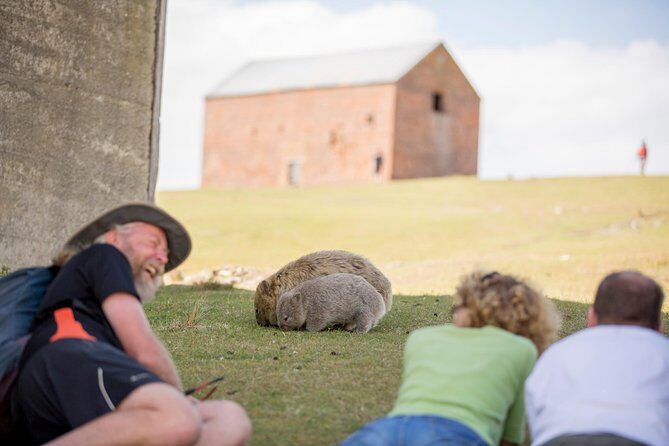
This is where I think the guided format really earns its keep. The island is famous for wildlife, but seeing it is half patience and half knowing where to look. Your guide shares information as you walk and helps you spot species such as wombats, wallabies, kangaroos, Cape Barren Geese, and (with luck) Tasmanian devils. Little penguins are also in the mix depending on conditions and timing.
You’ll also be scanning the water for marine wildlife. From the island, your guide may help you watch for dolphins, seals, penguins, and migrating whales when the season lines up.
A key point: the tour is designed to keep disturbance low. You’re viewing from appropriate distances and staying on tracks and boardwalks, which is exactly what you want on a place that’s both wild and fragile.
Swimming and beaches: the upside, with one big practical catch
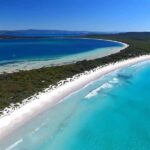
Maria Island has sheltered bays that can be great for a swim. The tour advice is clear: bring swim gear if you want that option. The catch is that you’re not doing this like a beach day with a kiosk nearby—you’re bringing everything with you, and drinking water is limited, so you’ll want to plan for heat, wind, and the fact that weather can change fast.
Fossil Cliffs: why the walking feels worth it
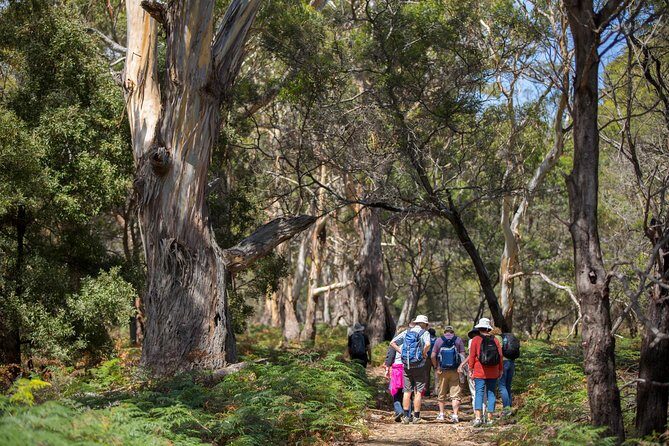
The Fossil Cliffs portion is one of the more “learn something while you walk” segments. You’ll have about 2 hours here, and the day’s walking on these trails totals almost 10 kilometers across two main routes.
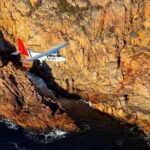
If you like geology or you just enjoy the feeling of standing somewhere that’s been shaped over millions of years, this is your moment. The island’s Fossil Cliffs are part of that long story, and the guide’s role matters because they connect what you’re looking at with what those rock layers mean.
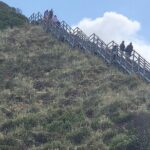
These walks are described as easy to moderate, but don’t treat that as “short.” The distance across the day adds up, especially after you’ve already spent time on other trails. Good shoes are non-negotiable here. Also, all-weather clothing isn’t a suggestion—Tasmania can swing seasons quickly, and you’ll feel it once you’re out in open coastal areas.
A few more Hobart tours and experiences worth a look


Painted Cliffs and Hopground Beach: beautiful, but tide-driven
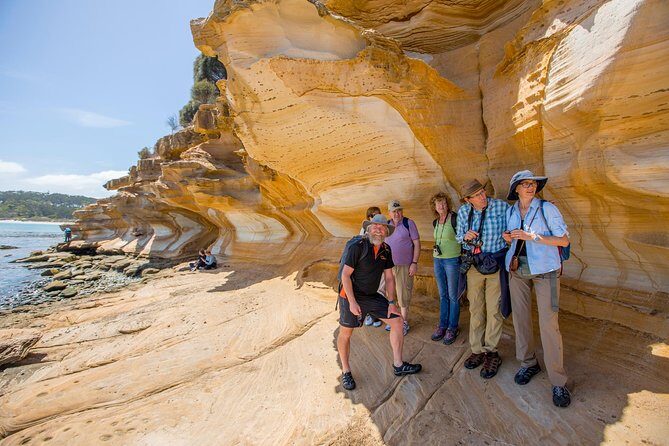
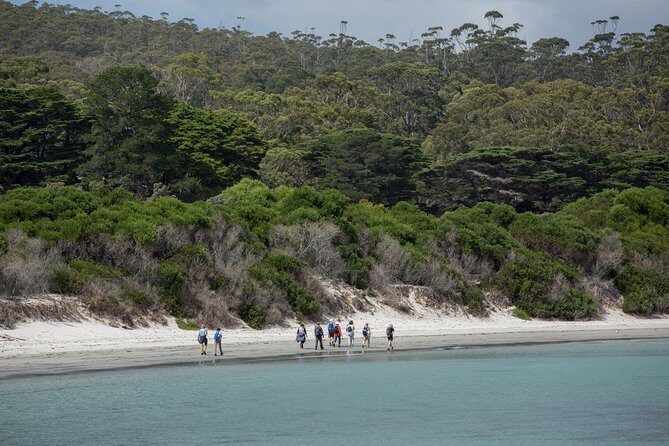
The Painted Cliffs trail is a highlight for a reason. It’s about 1 hour for this portion, and it’s described as gentle and mostly flat—with a payoff at the end.
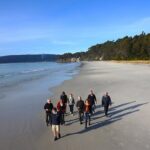
The route leads to Hopground Beach, with the Painted Cliffs at the far end, giving you time to explore the cliffs once you reach them. That exploration time is part of why this works as a day highlight rather than a quick photo stop.
But here’s the consideration you should take seriously: access can depend on tide conditions. The cliffs can only be reached safely at low tide, so if the day’s timing doesn’t line up, you might not get the exact view you were hoping for. That doesn’t mean the tour is poorly run—it means this particular coastline plays by nature’s rules, and your best plan is to go in flexible.
If Painted Cliffs are your top reason for booking, still do book—but treat it like an experience you’re going to earn through timing and conditions, not a guaranteed postcard.
Darlington convict history: why the island isn’t just wildlife viewing
Maria Island’s story includes penal settlement history, and one of the most meaningful stops is the Darlington World Heritage convict site. You’ll have time to walk around and discover this history as part of the broader guided island experience.
This adds weight to the day in a way wildlife alone can’t. You’re out on an island that has become associated with escaped lives and harsh discipline, and your guide’s commentary helps you understand the phases of convict occupation and what the remains mean on the ground.
Several guides have been praised for mixing history with humor and pace. Names that have shown up in the guide feedback include Matt, Ian, Heather, Trevor, Nick, Clinton, and David. You won’t know which one you’ll get until day-of, but the consistent theme is that the interpretation makes the place feel real, not like a lecture.
What to pack for Maria Island (so the day stays fun)
This is one of those tours where packing well keeps you from having a sour day. The island has no shops, and there’s limited drinking water, so bring what you’ll need for the full day.
Here’s what I’d pack, based on the tour’s stated guidance:
- Good walking shoes (you’ll be on trails and boardwalks)
- A day pack (there’s no luggage on board; only your day pack)
- All-weather clothing (wind and rain can happen)
- Swim gear if you want the sheltered bay swim option
- Lunch, snacks, and water (bring enough for the day)
There’s a brief stop in the morning to buy last-minute food like sandwiches or rolls, but don’t count on that as your only option. Also, you can sometimes buy takeaway food on the return trip back to Hobart, but again, treat that as a bonus, not a plan.
And yes, if you tend to travel light, this tour still rewards you for bringing a proper day setup. Think: water bottle that’s actually accessible, a snack you’ll enjoy when you’re tired, and a layer that handles wet wind.
Price and value: what you’re really paying for at $154.21
At $154.21 per person, this isn’t the cheapest day trip you can do from Hobart—but it’s also not just a ferry ticket with walking.
Here’s where the value comes from:
- Return ferry crossing fee is included.
- National Park entrance fees are included.
- You get professional guides plus interpretive walks, which is what turns a wildlife outing into an informed day.
- The group stays small (max 19), which usually improves your odds of seeing more and moving at a comfortable pace.
- There’s pickup from limited hotel locations (so you’re not doing extra legs of logistics yourself).
What’s not included is the biggest predictable cost: food and drinks. Since there are no shops on Maria Island, you’ll be buying or packing that part. For many people, the actual “extra” is manageable because the tour provides morning food opportunities en route, and you can also bring your own lunch and snacks.
If you’re choosing between self-guided and guided, I’d pick guided if you want the combination: wildlife spotting plus convict history plus structured trails. If you’re the type who loves planning your own routes and timing for tide-dependent viewpoints, you might still DIY parts—but you’d need to be very organized to match what the guided day covers.
Who this tour fits (and who should rethink it)
This is a great fit if you want a day that’s active but not punishing. The pace is described as leisurely on trails, but you do need a general base level of fitness because the total walking and varied terrain are part of the experience.
You’ll likely enjoy it most if you:
- Care about native wildlife viewing (wombats, wallabies, devils with luck)
- Want scenery and beaches with a real nature guide
- Like history that you can see in context, including the Darlington convict site
- Get up early without turning it into a stress festival
It may be less ideal if you:
- Prefer minimal walking or frequent rest stops
- Need easy access to shops or frequent food purchases (there are no shops on the island)
- Struggle with tight ferry timing (the tour leaves promptly and can’t wait for late pickups)
The minimum age is 8 years, so families who can handle a long active day may make it work.
Final call: should you book Maria Island from Hobart?
I’d book this tour if you want one day to combine wildlife, cliffs, beaches, and World Heritage convict history with a guide who helps you see more while also keeping wildlife disturbance low. The $154.21 price makes sense for what’s included—ferry, park fees, and guided walking—plus the small group size keeps it enjoyable rather than chaotic.
Just go in with realistic expectations about two things. First, you’ll be walking for much of the day and you’ll want solid shoes. Second, Painted Cliffs depend on tide safety, so conditions can change what you get to see.
FAQ
How long is the Maria Island National Park day trip?
The tour runs for about 12 hours (approx.), including travel from Hobart, ferry time, walking on the island, and the return to Hobart.
What time does the tour start, and where do I meet?
You meet at 20 Davey St, Hobart TAS 7000 and the start time is 6:45am. The activity ends back at the meeting point.
What’s included in the price?
Included are the return ferry crossing fee, national park entrance fees, professional guides and interpretive walks, and pickup from limited hotel locations. Your ticket is mobile.
Is food available on Maria Island?
No. There are no shops on Maria Island, and drinking water is limited. You should bring lunch/snacks/water bottles. There is also a brief stop on the way to the ferry for last-minute food purchases.
How much walking is involved?
The tour is active and involves leisurely-paced walking on trails. The Fossil Cliffs segment includes almost 10 kilometers of total trail distance across two main walking trails, so moderate fitness helps.
What wildlife might I see on the tour?
The island is known for seeing animals such as wombats, wallabies, kangaroos, Cape Barren Geese, little penguins, and Tasmanian devils in the wild. The ferry journey and island viewpoints also offer chances to spot whales and dolphins (seasonal), plus seals and dolphins from the water.
Can I cancel and get a refund?
No. This experience is non-refundable and cannot be changed for any reason. If it’s canceled due to minimum traveler numbers, you’ll be offered an alternative or a full refund.