REVIEW · HOBART
Tasmania: 7-Day West to East Tour
Book on GetYourGuide →Operated by Under Down Under Tours · Bookable on GetYourGuide
Tasmania rewards people who move a bit, not just pose for photos. This 7-day west-to-east route stacks world-famous nature (Mt Field tall trees, Cradle Mountain, Wineglass Bay) with wildlife encounters and hands-on history, all while a live English-speaking guide keeps the days moving. Two things I really like: the mix of easy and moderate walks so you can match your pace, and the way the itinerary connects places that are far apart without you needing to plan a thing.
The main drawback to consider is the active rhythm. You’ll do short walks nearly every day, including options that can be rougher with steps (like parts of Cradle Mountain’s trails), and the tour isn’t suitable if you have back problems or mobility impairments.
In This Review
- Key highlights you’ll feel on the ground
- West to East in 7 Days: how this tour fits together
- Day 1: Hobart to Strahan via Mt Field, Russell Falls, and Lake St Clair
- Day 2: Strahan’s west coast reality check—rainforest walk, Henty Sand Dunes, and Ocean Beach
- Day 3: Cradle Mountain National Park for wombats, echidna, and glacial views
- Day 4: Launceston’s Cataract Gorge, Bay of Fires, and Bicheno’s little penguins
- Day 5: Freycinet National Park and Wineglass Bay’s viewpoint trade-offs
- Day 6: Bonorong for Tasmanian devils, Richmond heritage, and kunanyi viewpoints
- Day 7: Port Arthur and the Tasman Peninsula’s convict coastline at Crescent Bay
- Accommodation: motel private rooms or hostel dorm life
- How much walking is actually involved?
- Value check: is $973 a good deal for 7 days in Tasmania?
- Practical tips that make the difference
- Who should book this west-to-east highlights tour?
- Should you book? My honest take
- FAQ
- What’s included in the tour price?
- What’s not included?
- How much walking should I expect each day?
- Can I choose easier or harder hikes?
- What type of accommodation do we stay in?
- Is there luggage storage during travel days?
- Where does pickup and drop-off happen in Hobart?
- Who is the tour not suitable for?
- Is free cancellation available?
Key highlights you’ll feel on the ground
- Mt Field’s towering eucalyptus + Russell Falls: short walk options that still feel big.
- Strahan’s wild west coast: rainforest walk, then sand dunes and Ocean Beach.
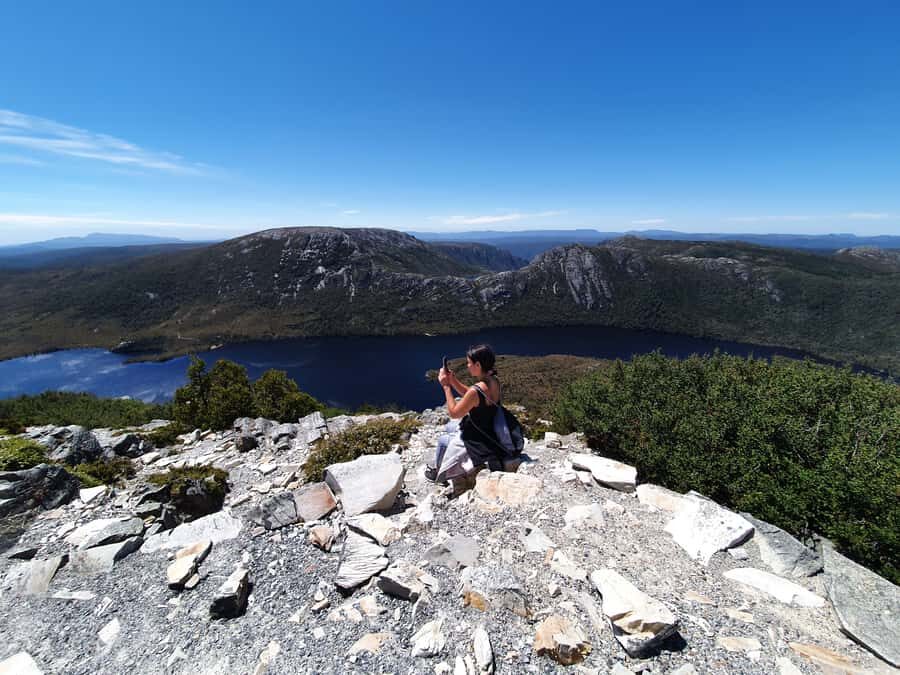
- Cradle Mountain wildlife and glacial lakes: from Dove Lake circuits to the Marion’s Lookout summit track.
- Wineglass Bay from Freycinet National Park: pick a walk or a steeper climb to match your day.
- Bonorong and Tasmanian devils: an actual wildlife stop, not just a quick roadside photo.
West to East in 7 Days: how this tour fits together
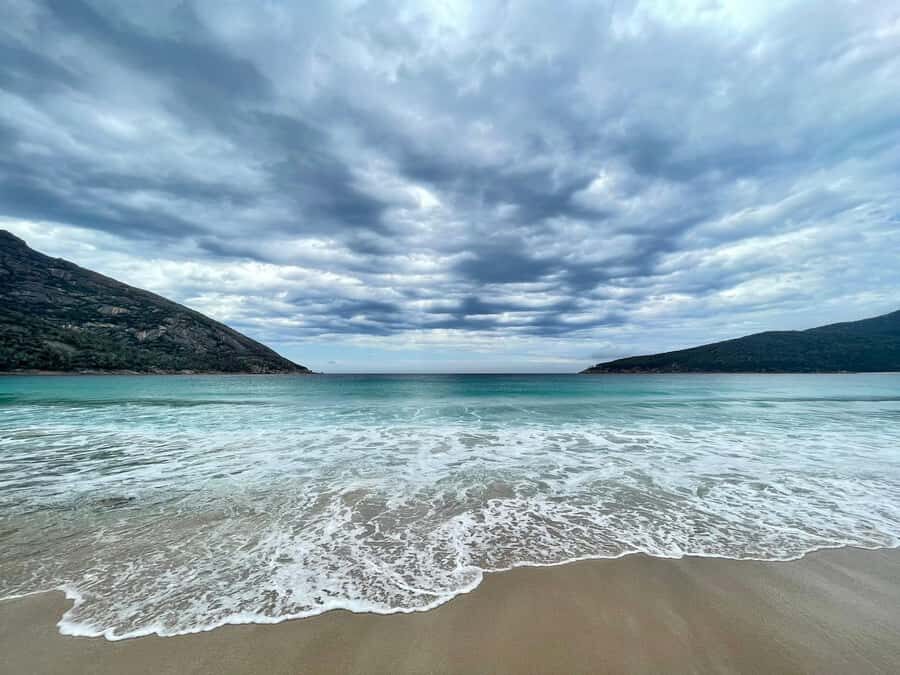
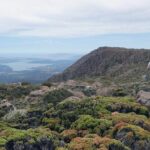
This is a highlights-style tour that moves across Tasmania from the west coast (Strahan) to the east (Launceston area, Bay of Fires, Bicheno) and then down to Hobart and the Tasman Peninsula. You get a real sense of how different the island feels in a short time: wet rainforest coasts, alpine and glacial terrain, and then the pale sands and orange boulders of the east.
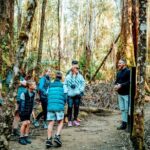
The small-group setup matters more than you’d think. When your guide handles the driving and the timing, you can focus on what’s actually worth your energy: hikes, wildlife, and viewpoints. Many days start early (one guest noted around 7:30 am) and typically wrap up by about 5 pm or earlier, so you’re not eating every night in a stress-fog of late arrivals.
More multi-day Tasmania in Hobart & Tasmania

Day 1: Hobart to Strahan via Mt Field, Russell Falls, and Lake St Clair
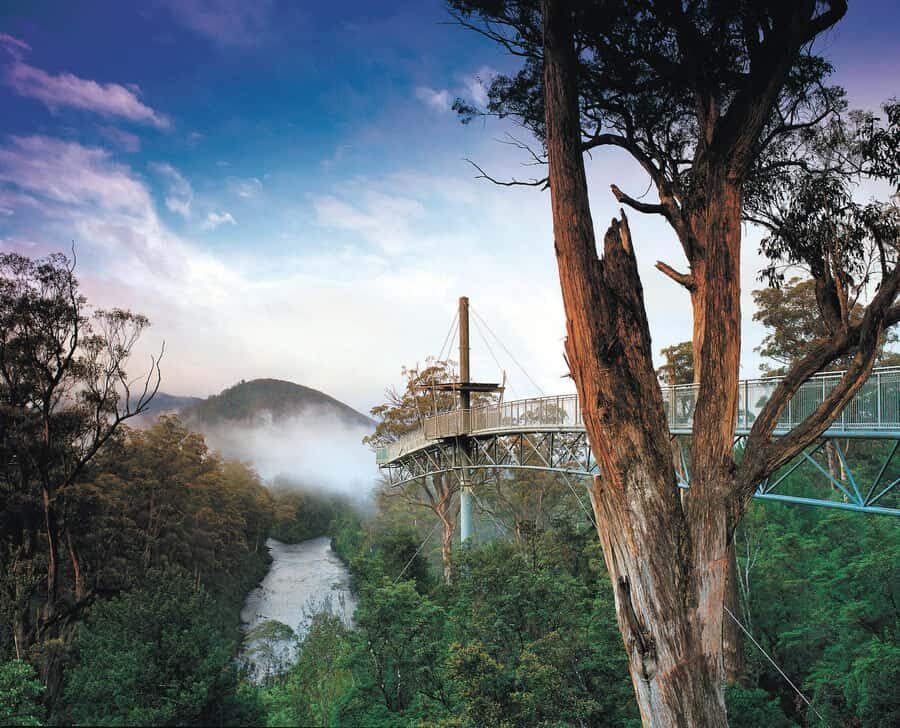
Your trip begins with a nature hit that’s hard to fake: Mount Field National Park. You walk among some of the world’s tallest eucalyptus trees, and then you get to Russell Falls, which is listed as a super approachable option (about 25 minutes return, 1.4 km). It’s an easy way to warm up your legs without feeling like you’re dragging yourself uphill all day.
From there, the day broadens out fast. You’ll pass Lake St Clair, described as Australia’s deepest freshwater lake, and you’ll also visit Franklin-Gordon Wild Rivers National Park. Those stops help the day feel varied rather than just “more driving.”
Then comes the human layer: Queenstown’s mining history. That’s a useful reminder that Tasmania’s wilderness isn’t separate from people—it was shaped by mining, settlement, and transport over time. After all of that, you arrive in Strahan, where you stay for two nights, giving you enough time to actually enjoy the west coast instead of just passing through.
Day 2: Strahan’s west coast reality check—rainforest walk, Henty Sand Dunes, and Ocean Beach
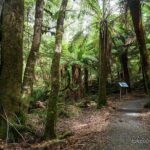
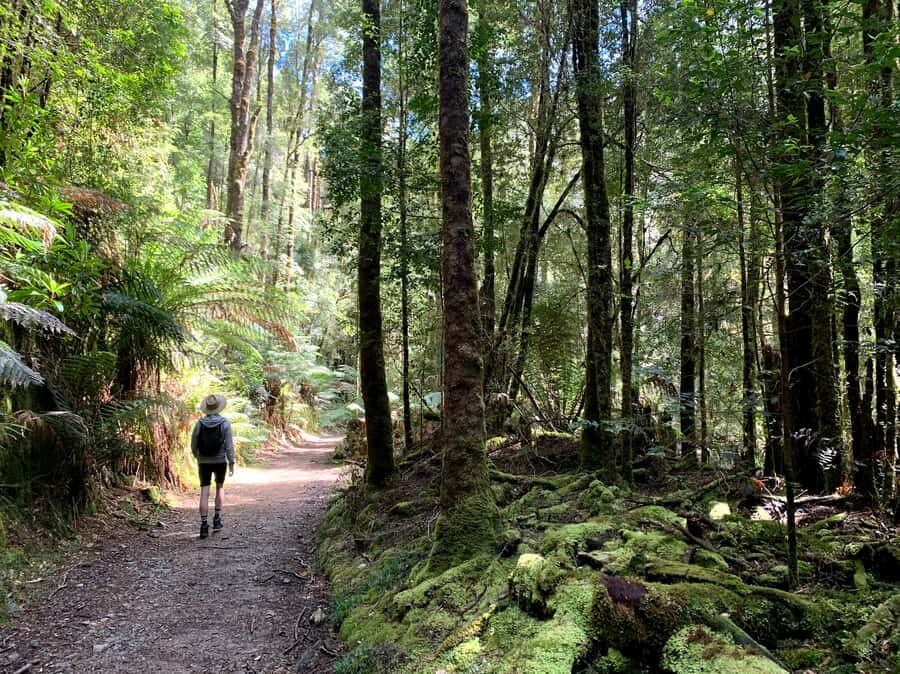
Day two is where the west coast starts feeling properly rugged. You’ll do a guided nature walk among ancient rainforest, which is exactly the kind of experience that benefits from a guide. Even if you’re not into plant facts for their own sake, the explanations help you notice what you’re seeing—ferns, canopy layers, and the way the forest shifts from wetter pockets to drier ones.
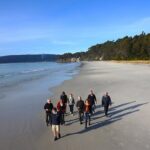
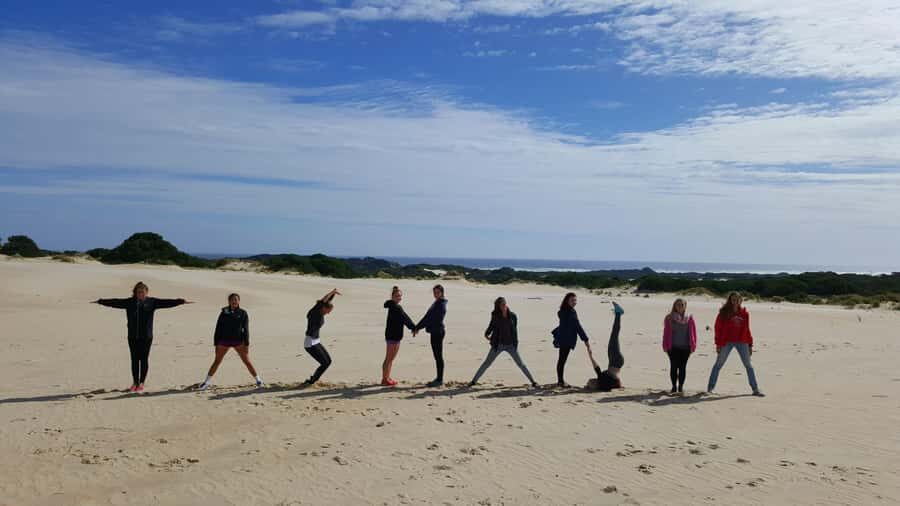
At the coast, you get two very different textures: Henty Sand Dunes and then Ocean Beach, noted for Tasmania’s longest stretch of sand. If you’ve ever seen wind sculpt dunes, you’ll know how quickly your brain stops treating it like a “beach stop” and starts treating it like a landscape that’s constantly changing. A warm layer and a waterproof top are worth it here because west-coast weather can shift without warning.
There’s also an optional add-on day plan: you can choose a Gordon River nature cruise instead of some of the other activities (at your own expense). If you love wildlife and stillness, it can be a great contrast to the walking.
Day 3: Cradle Mountain National Park for wombats, echidna, and glacial views
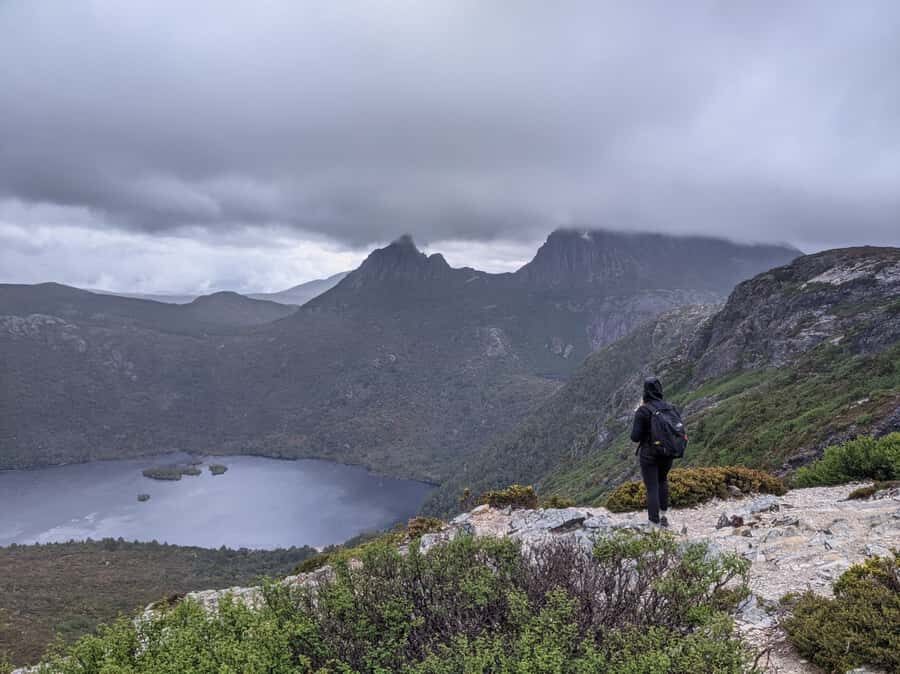
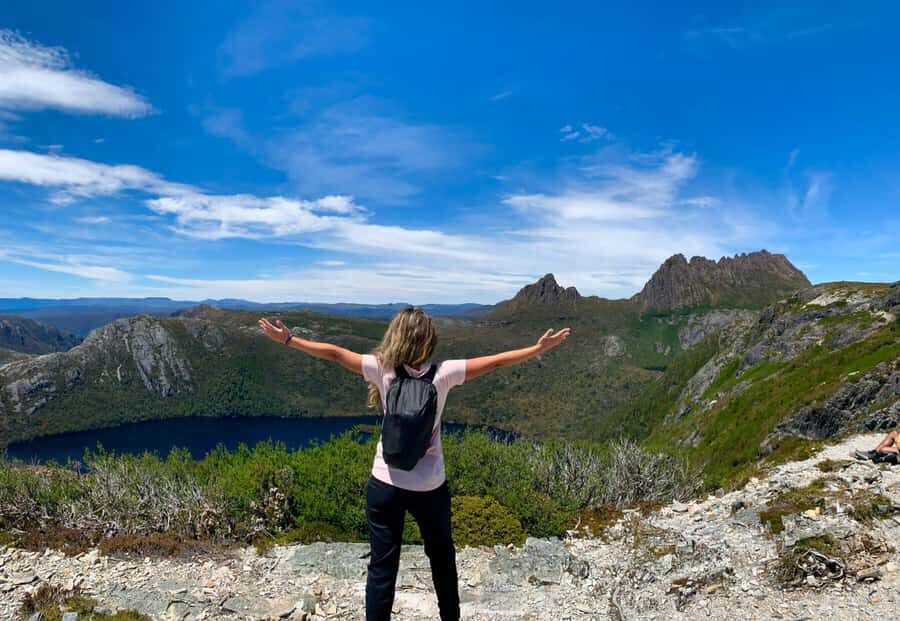
Cradle Mountain is the centerpiece for a lot of people, and this route treats it like one. You’ll have time to explore Cradle Mountain National Park, with wildlife spotting on your radar—wombats and echidna are specifically mentioned. Tasmania’s wildlife often shows up best when you’re patient and walking slowly, so arriving with a plan (and not rushing) matters.
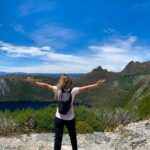
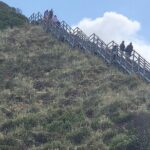
You’ll get options for walks, from more adventurous choices to steadier loops. The Marion’s Lookout summit track is one example, and the Dove Lake circuit is another. Dove Lake is listed as a moderate walk (about 2–3 hours, 6 km), with rough surfaces, some steps, and short hill sections. You don’t have to commit to the hardest version, but you should be ready for uneven ground if you choose it.
After Cradle Mountain, the day shifts from wilderness to color and culture. You travel to Launceston via Sheffield, known as the Town of Murals. It’s the kind of stop that breaks up the driving and makes the journey feel more like a route than just a transfer.
Day 4: Launceston’s Cataract Gorge, Bay of Fires, and Bicheno’s little penguins
Launceston adds an easy-to-enjoy wildlife moment. You’ll spend time at Cataract Gorge, and it’s a good spot for seeing wallaby. That’s a practical advantage of going with a guide: they know where the best chances are and when it’s worth looking.
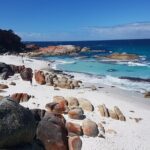
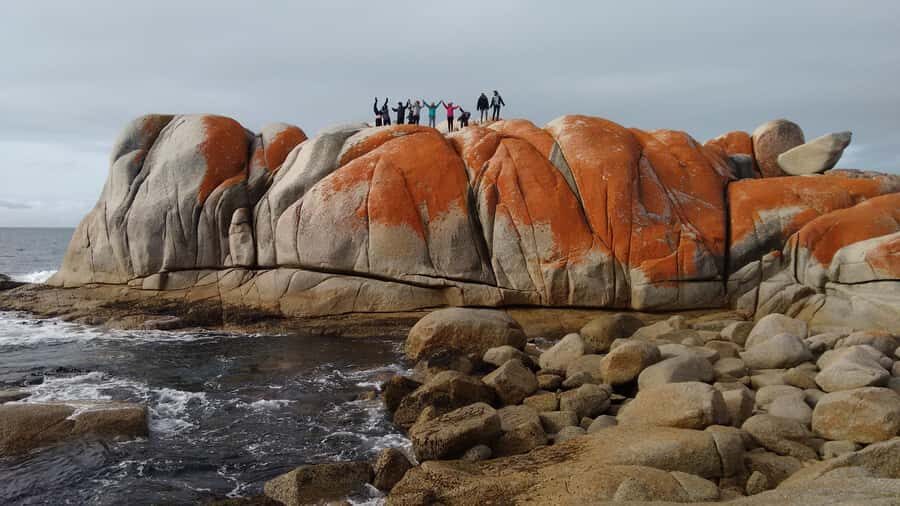
Then you head toward the east coast beauty that Tasmania does so well. You’ll visit the Bay of Fires / larapuna and learn about the spiritual connection of the land to Tasmanian Aboriginal people/palawa. That’s one of the stops where a cultural explanation changes the experience. Instead of just seeing orange rocks and white sand, you understand the deeper meaning of the place.
You end in Bicheno, which is specifically tied to little penguins. Even if you’re not planning to do anything extreme, Bicheno works because it’s paced enough for evening wildlife time.
A few more Hobart tours and experiences worth a look
Day 5: Freycinet National Park and Wineglass Bay’s viewpoint trade-offs
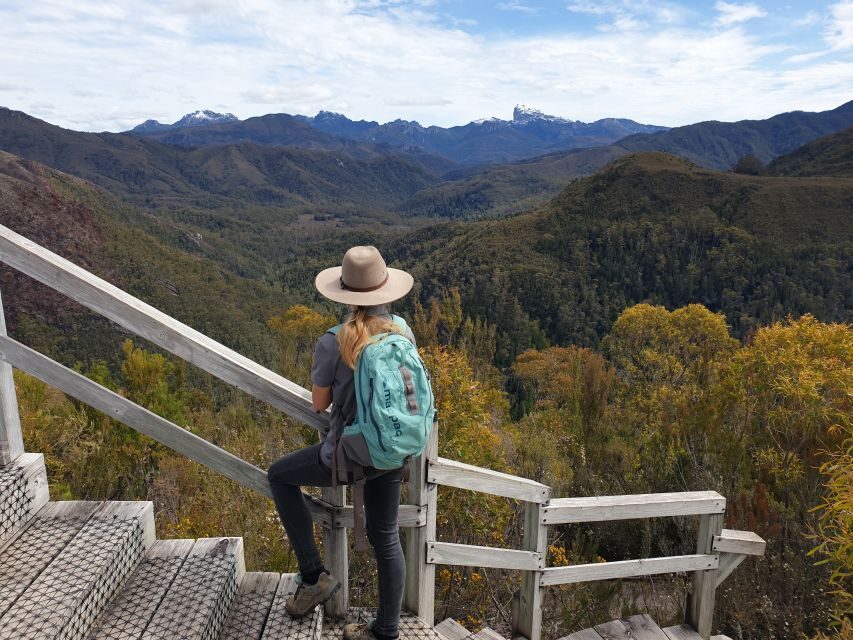
This day is built around Freycinet National Park. You’ll walk to Wineglass Bay, or you can choose a climb to the summit of Mt Amos. This is where you’ll feel the tour’s “choose your effort” philosophy. Wineglass Bay is the iconic payoff, but Mt Amos is for people who want a bigger physical challenge for bigger views.
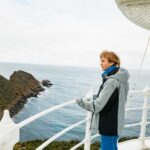
You’ll also visit Cape Tourville lighthouse, which gives you a different kind of perspective—less “walk the perfect beach” and more “see how the coast is laid out.” Then you return toward Hobart.
If you get even slightly sensitive to cold or wind on exposed trails, this is where layering matters. The Freycinet coast can be calm one moment and gusty the next, and your comfort level affects whether you enjoy the views or just fight the weather.
Day 6: Bonorong for Tasmanian devils, Richmond heritage, and kunanyi viewpoints
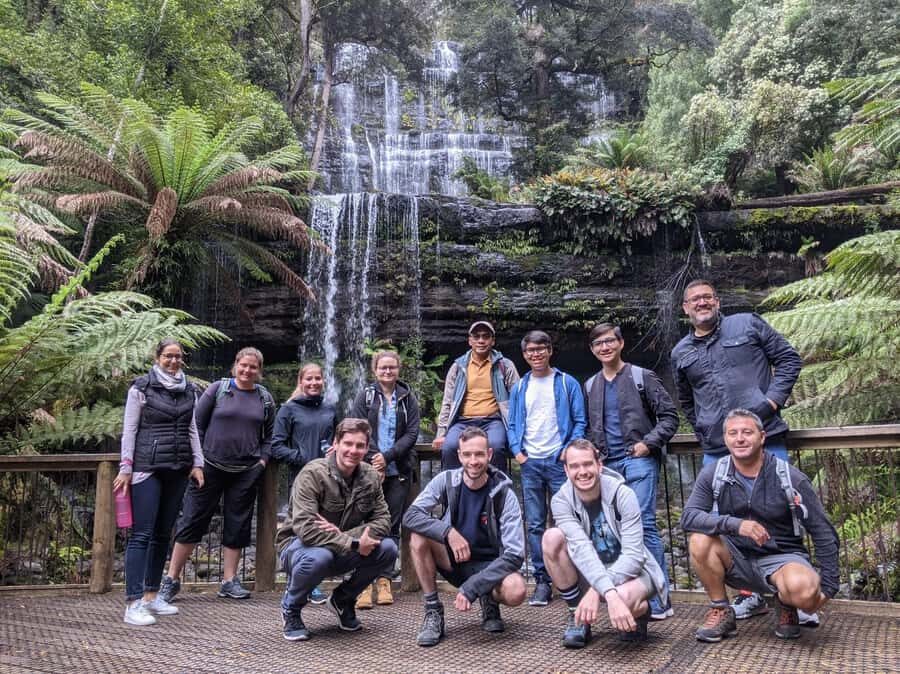
Day six is a strong mix of animal care, heritage, and a final dose of scenery. First stop: Bonorong Wildlife Sanctuary. You’ll meet Tasmanian devils, which is the kind of encounter that feels meaningful because it’s not just wildlife “in theory.” It’s an organized conservation setting where the guide can explain the why behind the animals’ importance.
Then you explore Richmond Village, which is described as a heritage village. It’s a good tonal shift from national parks and coastal hikes. You slow down, see buildings and streetscapes that feel historically connected, and you get a break from trail time.
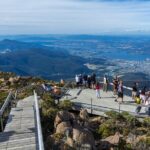
Back in Hobart, you’ll head to Mount Wellington / kunanyi. This is an evening-style viewpoint stop in practice, and it’s a useful way to cap the day before dinner. One of the nice perks: you’ll get guidance toward local historic pubs or restaurants so you’re not stuck guessing what’s worth it.
Day 7: Port Arthur and the Tasman Peninsula’s convict coastline at Crescent Bay
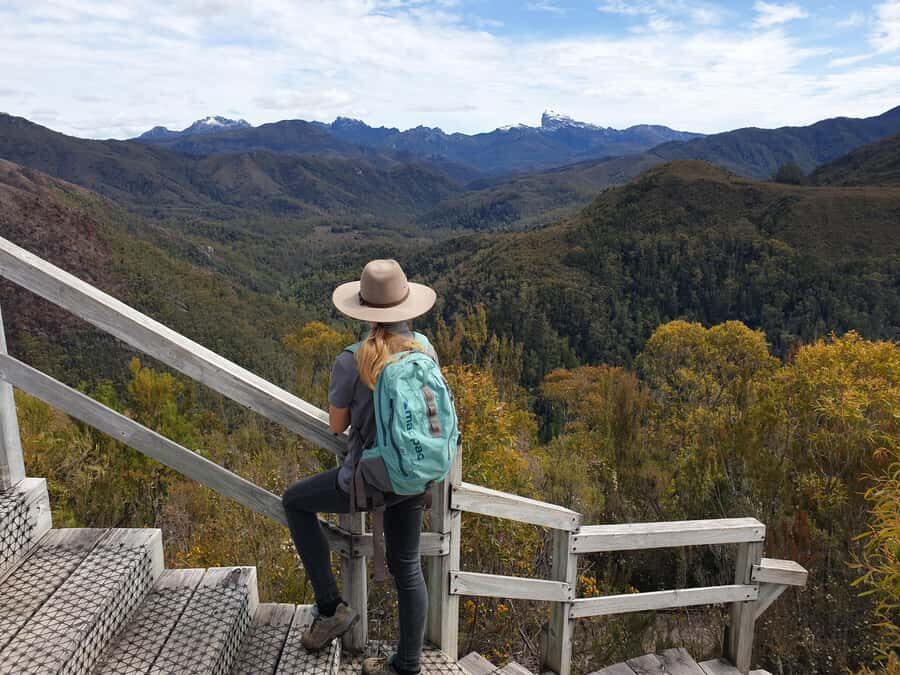
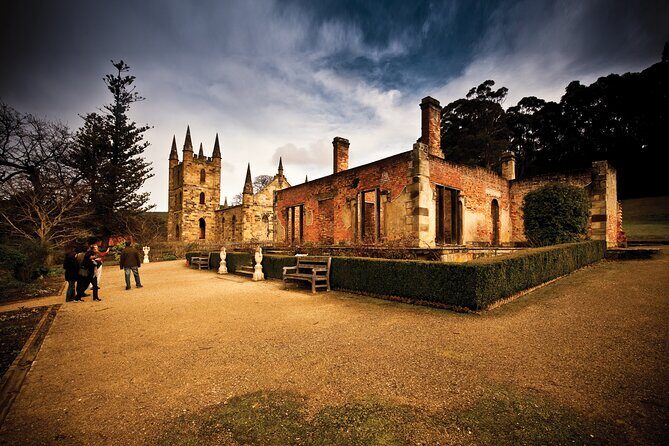
The last day focuses on Port Arthur and the Tasman Peninsula. Port Arthur is known here as Australia’s best preserved convict settlement, and the experience includes a harbor cruise along with entry to the historic site. That combination matters because it gives you context for the location—how water routes and geography shaped the whole operation.
After Port Arthur, you’ll walk to Crescent Bay, which is where the scenery becomes physical again. You’ve spent days on beaches and trails, so this last walk feels like a finishing thread: a final stretch where your legs and your eyes both get a workout.
Then you return to Hobart, so you end where you started, with the trip feeling complete rather than abruptly cut short.
Accommodation: motel private rooms or hostel dorm life
Your stay runs for 6 nights and you can choose between motel or hostel options.
- Motel rooms come as private rooms with ensuite facilities.
- Hostels include same-gender dorm rooms, or private rooms (with shared same-gender bathrooms).
This choice affects the social feel and your comfort level. Dorms can be fun if you enjoy chatting; motels are best if you want quieter recovery time after hikes. One solo guest mentioned the Bicheno accommodation in particular felt great, which is the kind of detail that matters when you’re tired and ready to sleep.
You can also bring up to 20 kg of luggage, stored in a trailer on travel days. That means your daypack is really your friend, and you shouldn’t plan on dragging heavy suitcases onto every walking stop.
How much walking is actually involved?
This is an active tour with short walks most days. The walks are described as mostly easy to moderate, and all walks are optional with guided walking options and non-guided walking options. That’s important: you can match the day to your energy and choose simpler routes when needed.
Here are the two examples the tour provides:
- Russell Falls (Mt Field): easy, about 25 minutes return, 1.4 km, flat and even with no steps or steep sections.
- Dove Lake circuit (Cradle Mountain): moderate, about 2–3 hours, 6 km, rough surfaces, hill sections, and many steps.
So you’ll want hiking shoes and patience. The tour also flags that it’s not suitable for people with back problems or mobility impairments, and children under 8 years are not recommended. If you fall into that group, I’d skip this one and look for a more strictly low-walking option.
Value check: is $973 a good deal for 7 days in Tasmania?
At $973 per person for 7 days, the value hinges on what’s included. You get:
- Transportation and guided commentary
- 6 nights accommodation (motel or hostel)
- National park entry fees
- Entry to Bonorong Wildlife Sanctuary
- Port Arthur Historic Site entry plus a harbor cruise
- Pickup and drop-off from centrally located Hobart city hotels/hostels
What you pay extra for:
- Food and drinks
- Airport pickup
- The optional Gordon River Cruise
- Travel insurance
For many people, the smartest part of this price isn’t the parks or the cruise. It’s the combination of long-distance driving across the island, included lodging, and time saved. Renting a car and handling park entries and logistics on your own can work, but it’s a higher-work option. If you’d rather spend your planning energy on where to eat in Hobart (or whether you want the Gordon River cruise), this tour is set up for that.
Practical tips that make the difference
Bring warm layers. Even in summer, Tasmania’s weather can flip, especially on coasts and exposed lookouts. The tour’s packing list includes warm clothing, a jacket, long pants, sunscreen, and sunglasses.
Plan for water and sand. You’re moving through beaches like Ocean Beach and Bay of Fires, and you’re also encouraged to pack swimwear and a towel.
Use the right footwear. Hiking shoes are recommended because you’ll face rough surfaces and steps on some moderate walks.
Know your pickup boundaries in Hobart. Pickup is available from centrally located hotels/hostels, but not from Airbnbs and private residences. If you’re staying outside the pickup area, you’ll need to coordinate with the local partner for the closest convenient spot.
Who should book this west-to-east highlights tour?
Book it if you want:
- A guided Tasmania trip where the driving and timing are handled
- A strong set of natural highlights from Cradle Mountain to Freycinet to the Tasman Peninsula
- Wildlife moments like Tasmanian devils and the chance to spot wombats and echidna
- The flexibility of choosing between easier and more challenging walks
Skip it if you:
- Need very low walking or have mobility/back limitations
- Want a pure sightseeing drive with minimal hiking
- Are traveling with very young kids (under 8 years isn’t suitable)
Should you book? My honest take
If your idea of a great trip is “see the best places, then actually walk to earn the views,” this tour is a solid fit. The itinerary flows logically across Tasmania, you get real guided support on trails and at wildlife stops, and the included park entries and Port Arthur harbor cruise cut down the admin load.
Just be honest with yourself about effort. You’ll have optional options, but you’re still signing up for an active week. If that matches your style, this is a strong way to experience Tasmania in a single trip without spending every day researching the next move.
FAQ
What’s included in the tour price?
Transportation, accommodation for 6 nights, guided commentary, guided walks plus non-guided walking options, national park entry fees, entry to Bonorong Wildlife Sanctuary, Port Arthur Historic Site entry and a harbor cruise, and pickup/drop-off from centrally located Hobart city locations are included.
What’s not included?
Food and drinks are not included. Airport pickup isn’t included. The Gordon River Cruise is optional and at your own expense, and travel insurance is not included.
How much walking should I expect each day?
The tour is active with short walks nearly every day. Most walks are easy to moderate, and many options are optional so you can choose what fits your mobility. The tour gives examples like Russell Falls (easy, about 25 minutes return) and the Dove Lake circuit (moderate, 2–3 hours, 6 km with steps).
Can I choose easier or harder hikes?
Yes. You’ll have guided walk options and non-guided walking options, and the guide will help you understand difficulty so you can choose appropriately based on your fitness.
What type of accommodation do we stay in?
You can choose hostel or motel accommodation. Motels offer private rooms with ensuite facilities. Hostels offer same-gender dorm rooms or private rooms with shared same-gender bathrooms.
Is there luggage storage during travel days?
Yes. You can bring up to 20 kg of luggage, which is stored in a trailer on travel days. It’s still smart to travel with a daypack for essentials.
Where does pickup and drop-off happen in Hobart?
Pickup is available from centrally located Hobart city hotels or hostels. Pickup is not available from Airbnbs and private residences, so you may need to arrange the closest convenient pickup point if you’re outside the allocated area.
Who is the tour not suitable for?
The tour is not suitable for children under 8 years, people with back problems, or people with mobility impairments.
Is free cancellation available?
Yes. You can cancel up to 14 days in advance for a full refund.