REVIEW · HOBART
6-Day Tasmanian Explorer Adventure Tour from Hobart
Book on Viator →Operated by Under Down Under Tours · Bookable on Viator
Six days, zero rental-car stress. I like the 5 nights of accommodation included and the way an expert guide keeps each day moving with clear plans, great commentary, and practical stops. One thing to weigh: the itinerary is packed, and food and drinks aren’t included unless specified, so you’ll need to budget for meals and snacks on top of the tour price.
What you’re buying here is comfort plus access. You get pickup/drop-off from the Hobart CBD area, park entry fees covered, and a group size capped at 24, so you get the benefits of organized transport without feeling like you’re lost in a huge crowd. Add in the wildlife and iconic national parks, and it’s a smart way to see Tasmania fast—without turning your holiday into a driving project.
In This Review
- Key highlights I think you’ll actually care about
- The tour style: how you get Tasmanian distance without the headaches
- Day 1: Mount Field’s trees, Russell Falls, Lake St Clair, and Strahan harbor time
- Day 2: West Coast dunes, Ocean Beach, and an optional Gordon River Cruise
- Day 3: Cradle Mountain walking choices, Sheffield murals, and an easy Launceston evening
- Day 4: Cataract Gorge in Launceston, St Helens lunch, Bay of Fires, then Bicheno penguins
- Day 5: Freycinet National Park beaches and lookouts, then Hobart’s waterfront energy
- Day 6: Bonorong wildlife sanctuary, Richmond’s colonial streets, and kunanyi at Wellington Park
- Price and value: what you’re really getting for $887.12
- Timing, fitness, and what to pack so you feel good on every day
- Who this tour fits best (and who might want a different pace)
- Should you book the 6-Day Tasmanian Explorer Adventure?
- FAQ
- What time does the tour start?
- Where does the tour start and end?
- How many people are in the group?
- What’s included in the tour price?
- Are meals included?
- What level of fitness do I need?
- Is the Gordon River Cruise included?
- Is there a minimum age to join?
- Is the booking refundable?
Key highlights I think you’ll actually care about
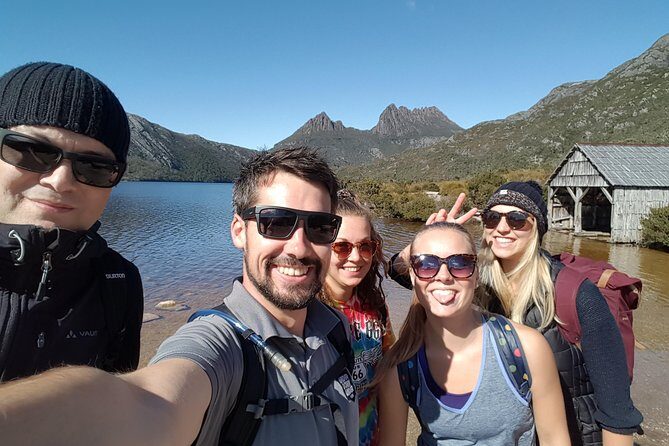
- Cradle Mountain choices on the day: pick a walk level that fits you, from short circuits to bigger hikes
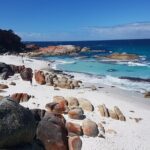
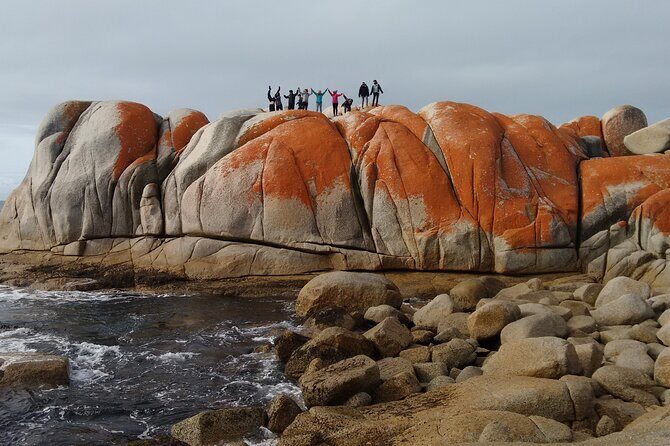
- Bay of Fires at walking pace: white sands, orange lichen boulders, and lots of time to enjoy the coastline
- All the big park costs are handled: national park entry fees included, so you’re not doing on-the-fly payments
- Bonorong wildlife sanctuary included: a direct chance to see Tasmanian devils plus other native animals
- Small-group road trip feel: maximum 24 people, with pickup/drop-off from Hobart accommodation zones
The tour style: how you get Tasmanian distance without the headaches
This is a road trip built around one idea: you enjoy the places, not the logistics. You start from YHA Hobart Central at 7:00 am, and the operator provides Hobart CBD hotel/hostel/motel pickup and drop-off, with the trip ending back at the meeting point. That matters more than it sounds. A loop like this can be tough if you’re DIY driving, because Tasmania’s distances add up fast once you’re dealing with fuel stops, parking, and last-minute ticket lines.
The group is up to 24. That size is big enough for a lively day, but small enough that the guide can still manage timing and keep the group together during walks. If you’ve ever toured with a giant bus, you know the difference: here, you’re not constantly waiting while 40 people find their shoes.
Also, the tour is clearly aimed at people with moderate physical fitness. Most walk windows are shown as shorter blocks of time, but “short” in Tasmania can still mean uneven ground, stairs, and weather changes. Your best strategy is simple: wear proper walking shoes and pack layers. Tasmania can go from calm to chilly quickly, especially around coastlines and higher ground.
More multi-day Tasmania in Hobart & Tasmania
Day 1: Mount Field’s trees, Russell Falls, Lake St Clair, and Strahan harbor time

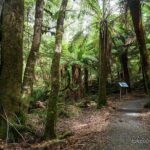
Day 1 is where you feel the rhythm of the whole tour: drive, step out, look closely, then move again. You begin at Mount Field National Park, where tall trees set the tone. You’ll also see Russell Falls. This stop is a great warm-up because the walk is manageable, and the waterfall viewpoint gives you that Tasmania wow-factor without requiring a major hike.
Next is Lake St Clair, described as Australia’s deepest freshwater lake. You’ll have lunch and a wander along short tracks, which is perfect for stretching your legs after time in the car. The best part here isn’t just the water—it’s the break. You’re not sprinting through every stop; you’re getting a proper moment to slow down and absorb the feel of the region.
Then you move into Franklin-Gordon Wild Rivers National Park. This is rainforest-and-mountain scenery, with typical stops around Nelson Falls and the Franklin River area, plus learning about the history and environment of a wilder part of Tasmania. For me, this is one of the tour’s smart choices because it balances beauty with context. You get to look at the trees and then understand what makes the place worth protecting.
After that comes Queenstown for a shorter scenic stop tied to an old mining town story—quick, but memorable if you like seeing how European history and industry shaped the region. Day 1 ends with an overnight in Strahan, a harbourside town on Macquarie Harbour, and a gateway to the World Heritage rainforests. Strahan is a nice reset at the end of a long day. You get that coastal harbor atmosphere instead of rolling straight into another packed schedule.
Possible drawback to keep in mind: Day 1 is a lot of different environments in one push—falls, lake, rainforest, then a historic town. If you prefer one area per day, you might feel “travel fatigue” here. But if you like variety, this is a strong start.
Day 2: West Coast dunes, Ocean Beach, and an optional Gordon River Cruise
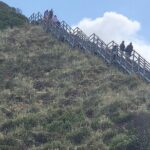
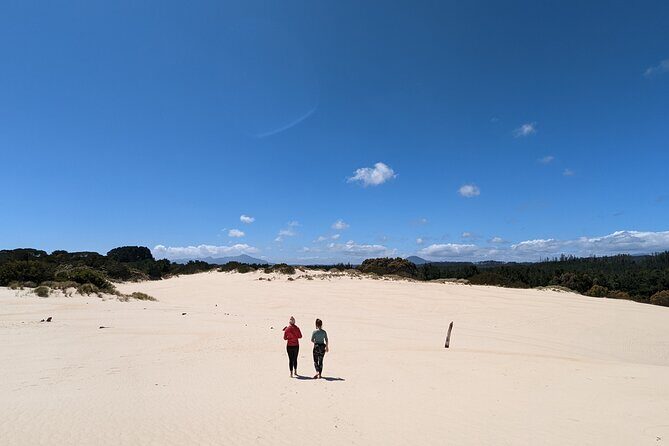
Day 2 leans into the West Coast, which is exactly where Tasmania’s drama shows up. You start at Henty Dunes for dune climbing and big views. It’s not a museum stop; it’s movement. Even if the time block is limited, you can feel the scale of the coastline here.
Next you visit Ocean Beach, with time to take in the air and rugged shoreline. The tour frames it as one of those places that feels fresh and open—less city noise, more natural space. Then there’s a second Strahan moment: a look around historic and scenic Strahan, plus time to explore the West Coast rainforests and the Henty Sand Dunes area again, depending on timing.
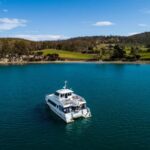
The standout optional add-on is the World Heritage Gordon River Cruise. The timing shown is 9:00 am to 2:00 pm, and it’s not included, so this is where you can decide how you want to spend your day. If you love boat time and want scenery from the water, this is a big win. If you’d rather keep things more flexible on land (or you’re watching your total budget), you can skip it and use that time for the West Coast feel and slower walks.
This is also where you should consider your personal trade-off: a cruise is easy and memorable, but paying extra can change the overall value if your budget is tight. The good news is the cruise is optional, not required for you to experience the core Tasmania loop.
Day 3: Cradle Mountain walking choices, Sheffield murals, and an easy Launceston evening
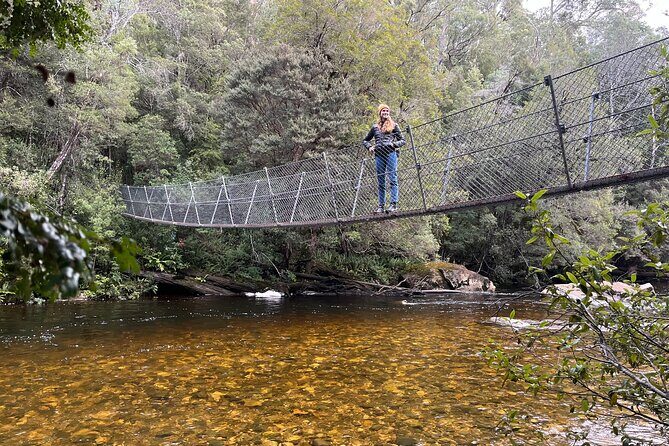
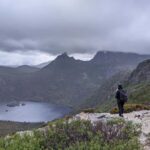
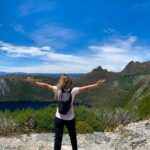
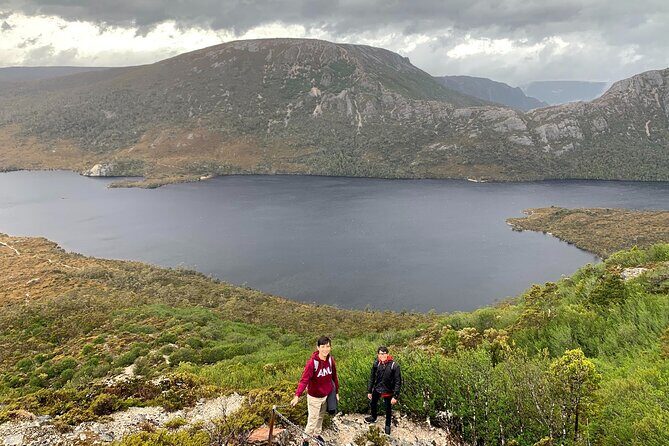
Day 3 is all about Cradle Mountain National Park, a World Heritage-listed area carved by glaciation. The tour lets you choose a walk that fits your fitness—one of the best ways to do this place without forcing everyone into the same route.
The tour notes Dove Lake circuit as one of the best short walks in Australia, and it also references a walk to Marion’s Lookout. In practice, this means you’ll get the iconic Cradle Mountain experience while still having some control over exertion. You’ll also be in the right setting for wildlife-spotting opportunities, depending on weather and season.
After Cradle Mountain, you drive toward Launceston, with a stop at the Town of Murals in Sheffield. I love this kind of stop because it breaks up the wild scenery with something human-sized and fun. It’s quick, but it gives your eyes a rest and adds character to a day that would otherwise be all geology and trees.
You arrive in Launceston and you’re set up for a proper evening. You can head out for a pub night or wander around the area at your pace. This works well because you don’t get forced into one experience. If you want nightlife, you can find it; if you want an early night after hiking, the schedule supports that too.
If you’re the type who plans your days by how much walking you want, Day 3 is one of the most comfortable to manage. Your time is structured, but your pace isn’t rigid.
Day 4: Cataract Gorge in Launceston, St Helens lunch, Bay of Fires, then Bicheno penguins
Day 4 is a split personality day—in a good way. You begin with Cataract Gorge Reserve along the South Esk River, right in the city. You get a short walk and the chance to spot animals like wallabies and peacocks. It’s a nice way to start before you hit the heavier coastal day.
Then you stop in St Helens, framed as a fishing town on the East Coast. You’ll have lunch here, which again gives you that important balance: you’re not constantly eating on the run.
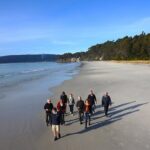
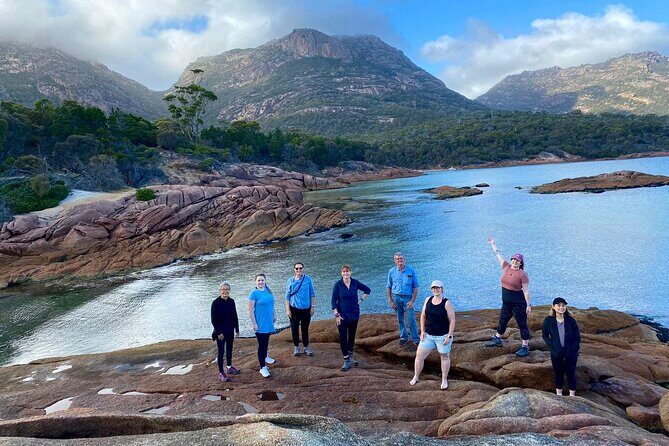
After that comes the headline coast stop: Bay of Fires. The tour describes walking along white sands at larapuna / Bay of Fires, taking your time over coastal views with turquoise waters and lichen-clad orange boulders. It’s also noted as important for palawa people, which matters. This isn’t just scenery you snap and move on from; the place is culturally significant, and you’ll feel that through the way the guide frames it.
Finally, you reach Bicheno, a beach town and your base for the night. The big reason to be here is the little penguin—the tour notes they burrow in the shore and return from the sea at night. Even if you don’t get a guaranteed sighting, staying here gives you the best chance because the timing aligns with their habits.
Possible drawback to consider: coastal stops often depend on weather. If it’s rough or cold, you’ll still do the walks, but the mood changes. Bring layers, and don’t plan on this day being your warmest one.
A few more Hobart tours and experiences worth a look
Day 5: Freycinet National Park beaches and lookouts, then Hobart’s waterfront energy
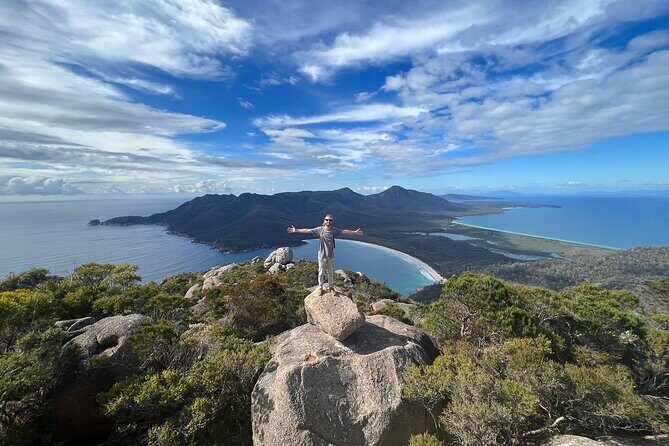
Day 5 turns the dial from forests and river scenery to coast cliffs and bays. Freycinet National Park is presented as Tasmania’s most famous coastal national park, and you’ll explore its beaches, forests, coves, and lookouts with admission included.
One specific highlight mentioned is the chance to see the Hazards mountain range from Honeymoon Bay, with time to enjoy the view. This is a good stop for photos, but it’s also a good stop for actual walking. The tour time suggests you’re not just driving past viewpoints; you’re walking enough to feel like you earned the views.
If you’re a coastline fan, this is the day where your camera will get plenty of use. But I also like it because it’s not purely a scenic drive. You get time in multiple micro-environments—beach, forest, lookout—so you’re not repeating the same view from the same spot all day.
In the evening, you head to Hobart for your final night on the road. Your time is free to explore the historic waterfront and the Salamanca region, or restaurants and bars around North Hobart. This free evening matters, because you finish with flexibility rather than being rushed into one last big scheduled activity.
Day 6: Bonorong wildlife sanctuary, Richmond’s colonial streets, and kunanyi at Wellington Park
Your last day keeps the best kind of momentum: wildlife, then a town with charm, then a final nature view close to Hobart.
First up is Bonorong Wildlife Sanctuary, described as Tasmania’s best-known conservation and wildlife sanctuary. The tour lists a real range of animals you might see: quolls, birds, wombats, kangaroos, and Tasmanian devils. The devil part is a big draw, and having it included means you’re not gambling your final day on buying the right ticket at the right time.
After that you stop in Richmond, including lunch and time to explore the Richmond Bridge and walk through the colonial village’s treelined streets and heritage buildings. This is a good contrast to national parks. Instead of only nature, you get architecture and a small-town pace.
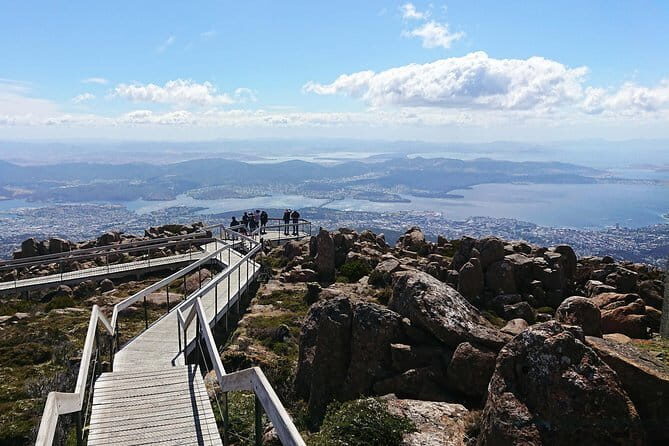
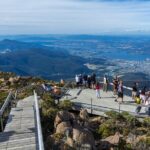
Then you finish at Wellington Park, also known locally as kunanyi (the palawa name is included in the tour description). The guide-led experience focuses on the park’s diverse features like fern glades, eucalyptus forests, and dramatic rock columns. You end back at the Hobart meeting point, so you aren’t left trying to figure out a final transport puzzle.
This combination makes the last day feel complete: it’s not just a “drop you off and you’re done.” You leave with images from wildlife, heritage town streets, and a final high-ground perspective.
Price and value: what you’re really getting for $887.12
At $887.12 per person for roughly six days, the value comes from what’s bundled rather than from the headline price alone.
Here’s what you get that reduces your extra spending:
- 5 nights of accommodation
- National park entry fees
- Bonorong Wildlife Sanctuary admission
- Expert guide
- Pickup and drop-off from Hobart CBD accommodation zones
That’s a lot of cost drivers on a DIY trip. If you self-drive, you’d typically pay separately for accommodation, entry fees, and your transport fuel and time. Even if you don’t compare line-by-line costs, the structure makes sense for travelers who want a finished itinerary and don’t want to plan every ticket and overnight.
Where you need to be ready:
- Food and drinks aren’t included unless specified
- The Gordon River Cruise is optional and not included
So the tour is best if you’re okay with budgeting for meals and if you treat the cruise as a choice, not a requirement. Personally, I think that’s a fair trade: you get most of the big, expensive components handled up front, and you keep control over add-ons.
Also note the tour is Advanced Eco-Certified. The data doesn’t list what that means in day-to-day terms, but it does suggest the operator takes sustainability seriously, which is a good fit for a wilderness-heavy itinerary.
Timing, fitness, and what to pack so you feel good on every day
The tour runs for about 6 days, and you start at 7:00 am. That early start is normal for road trips that hit multiple national parks. Your best move is to treat the schedule like a hiking and sightseeing plan, not a lazy vacation.
Fitness level is described as moderate. That usually means you’re not doing extreme climbs every day, but you should be prepared for:
- short walks that may still involve uneven ground
- time outside in changing weather
- days where you’re on your feet more than you expect because stops stack up
What to bring (practical and simple):
- comfortable walking shoes with grip
- a warm layer and a rain layer, since Tasmania weather can shift
- sunscreen for coastal and lookout time
- a refillable water bottle when possible
- a day bag you can keep with you during stopovers
If you’re the kind of traveler who hates early departures and prefers to linger, this might feel fast. But if you like active sightseeing with a guide keeping the day flowing, it’s a strong fit.
Who this tour fits best (and who might want a different pace)
This is a great match if you:
- want to see Cradle Mountain, Freycinet, and Bay of Fires without arranging all the transport yourself
- like guided storytelling and learning while you walk
- prefer included accommodation and park access so you aren’t paying for everything separately
- enjoy meeting a small group and sharing the day’s rhythm
It might be less ideal if you:
- want lots of free time in one place
- dislike long road days between major stops
- need meals fully covered in the price (since food and drinks aren’t included unless specified)
One more thing: the reviews highlight guides who bring the route to life. If you end up with a guide like Wombat—named in feedback for great stories and engagement—or Josh, mentioned for humor and local knowledge, that’s not a small bonus. It can change your experience from seeing sights to understanding why they matter.
Should you book the 6-Day Tasmanian Explorer Adventure?
I’d book it if you want a well-paced Tasmanian sampler that still feels like real wilderness, not just quick photo stops. The combination of park entry fees, 5 nights accommodation, and a guide who ties locations together is the reason this tour has strong value for its price.
Skip it only if you want a slower, more independent trip with meals fully included and lots of downtime. Otherwise, this is one of the more sensible ways to cover the big-name Tasmania highlights from Hobart while keeping your logistics simple.
If you’re ready for active days, moderate walking, and a finish that includes wildlife and a proper Hobart evening, this tour is a solid yes.
FAQ
What time does the tour start?
The tour starts at 7:00 am from the meeting point.
Where does the tour start and end?
It starts at YHA Hobart Central, 9 Argyle St, Hobart TAS 7000 and ends back at the same meeting point.
How many people are in the group?
The tour has a maximum of 24 travelers.
What’s included in the tour price?
Included items are 5 nights accommodation, national park entry fees, Bonorong Wildlife Sanctuary admission, an expert guide, Hobart CBD pickup/drop-off, and an Advanced Eco-Certified Tour.
Are meals included?
Food and drinks are not included, unless specified.
What level of fitness do I need?
You should have moderate physical fitness. The tour includes walking and outdoor stops.
Is the Gordon River Cruise included?
No. The World Heritage Cruises / Gordon River Cruise option is not included.
Is there a minimum age to join?
The minimum age is 8 years. Travelers aged 8–16 need to travel with a guardian.
Is the booking refundable?
No. This experience is non-refundable and cannot be changed for any reason.