REVIEW · HOBART
Tasmania: 6-Day Comfort Tour for Wilderness and Wildlife
Book on GetYourGuide →Operated by Under Down Under Tours · Bookable on GetYourGuide
Six days, and Tasmania feels like twice as big. This comfort-style small-group tour strings together the Gordon River cruise plus mountain and coast days, so you don’t waste time figuring out logistics on your own. I love how the day-by-day pacing stays relaxed even when you’re seeing a lot, and I also love the wildlife focus—from wombats near Cradle Mountain to Tasmanian devils later on. One thing to consider: it’s a tight program with short walks every day, so you’ll want solid mobility and early nights.
I took note of the human touches, too. Your guide (Haydyn in the best-reviewed runs) sets a confident tone and keeps the group moving safely, plus he’s the rare guide who can turn dinner time into a memorable moment, including an impromptu guitar performance. If you’re the kind of traveller who likes “real life” talk and not just a facts-only narration, this kind of guiding matters.
Your comfort level comes from the “easy” part of the touring style: motels for sleep, guided stops, and optional walks where the terrain allows. Still, don’t expect lazy sightseeing. The tour is described as active, with most walks easy to moderate, and the wrong shoes and clothing will make it feel harder than it needs to be.
In This Review
- Key takeaways
- How the 6-Day Tasmania Comfort Tour Works (and Why It’s Good Value)
- Hobart to Queenstown: Salamanca Market, Russell Falls, and Lake St Clair
- Gordon River Cruise and Sarah Island to Tullah: Huon Pines and Big River Views
- Cradle Mountain National Park: Wombat Boardwalks, Dove Lake, and Sheffield Murals
- Bay of Fires to St Helens: White Sand, Pink Granite, and Easy Coastal Time
- Freycinet National Park and Wineglass Bay Lookouts to Eaglehawk Neck
- Tasman Peninsula and Port Arthur: Tessellated Pavement, Devils Kitchen, and Convict History
- Price and What’s Actually Included (So You Don’t Get Surprised)
- How Active Is It, Really? Walk Levels, Weather, and Comfort
- What to Pack for Tasmania’s Coasts and Alps
- Small-Group Comfort: The Guide Makes a Real Difference
- Should You Book It? My Honest Take for Different Types of Travellers
- FAQ
- How many days and nights is this Tasmania tour?
- Where does the tour start and finish?
- What are the main areas this tour covers?
- Is the tour walking-heavy?
- What meals are included?
- What cruise and heritage experiences are included?
- How do Tasmanian devils fit into the itinerary?
- Is pickup available in Hobart?
- What should I bring for the tour?
Key takeaways
- Gordon River and Sarah Island in one day with the World Heritage rainforest setting and a lunch that leans Tasmanian
- Cradle Mountain done at a walking pace with wombat chances at Ronny Creek and a full loop around Dove Lake
- Bay of Fires and Freycinet both hit hard for that classic Tasmania coast look: white sand, turquoise water, and pink granite
- Port Arthur is more than a photo stop: you get entry plus a harbour cruise, and the convict story is part of the experience
- Tasmanian devils are actually on the plan at a wildlife sanctuary, not just a hopeful roadside sighting
How the 6-Day Tasmania Comfort Tour Works (and Why It’s Good Value)
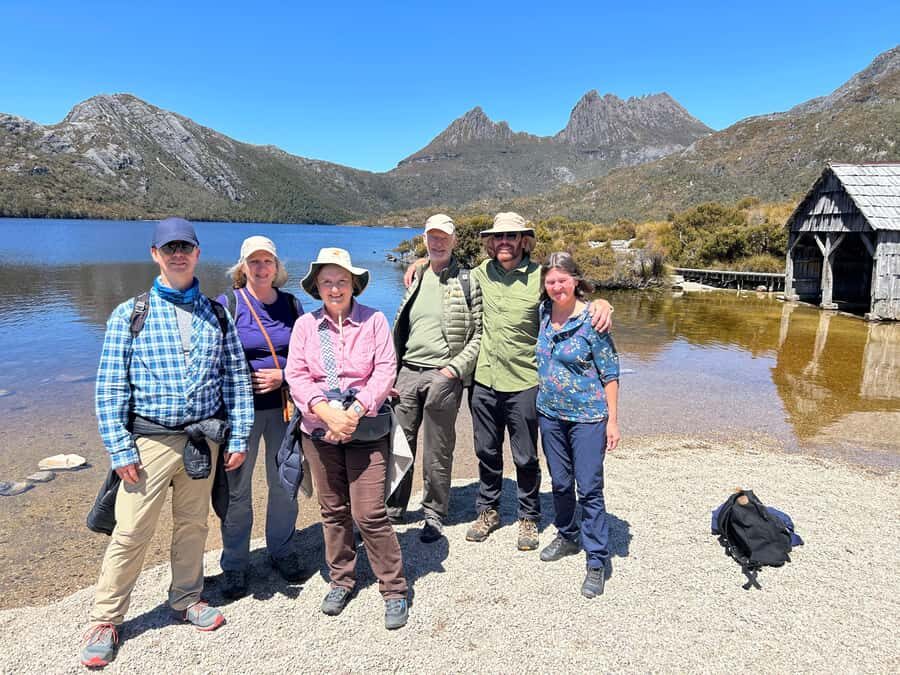
This is a 6-day loop built for mature active travellers who want comfort without turning Tasmania into a spreadsheet. The big idea is simple: you start in Hobart, work your way through the West and East coasts, then into Tasmania’s wild heart—Cradle Mountain, Freycinet, the Tasman Peninsula, and Port Arthur—before ending back in Hobart.
Why I think it’s good value at this price point (about $1,483 per person): the package bundles several things that often cost extra when you travel independently. You’re paying for guided walks, national park fees, multiple guided experiences, and key entry items like Port Arthur Historic Site (plus a harbour cruise). On top of that, the Gordon River cruise isn’t the kind of thing you want to line up yourself after a long drive day.
The comfort part is real, but don’t confuse it with luxury. You’ll have 5 nights in motel accommodation and included meals on a partial basis (more on that below). The goal is “comfortable enough” so your energy stays for the outdoor parts of the itinerary.
More multi-day Tasmania in Hobart & Tasmania

Hobart to Queenstown: Salamanca Market, Russell Falls, and Lake St Clair
Your first day starts with Salamanca Market time for local handicrafts and produce. Even if you only spend part of the morning there, it’s a smart way to get your bearings in Hobart and pick up snacks you’ll actually use later.
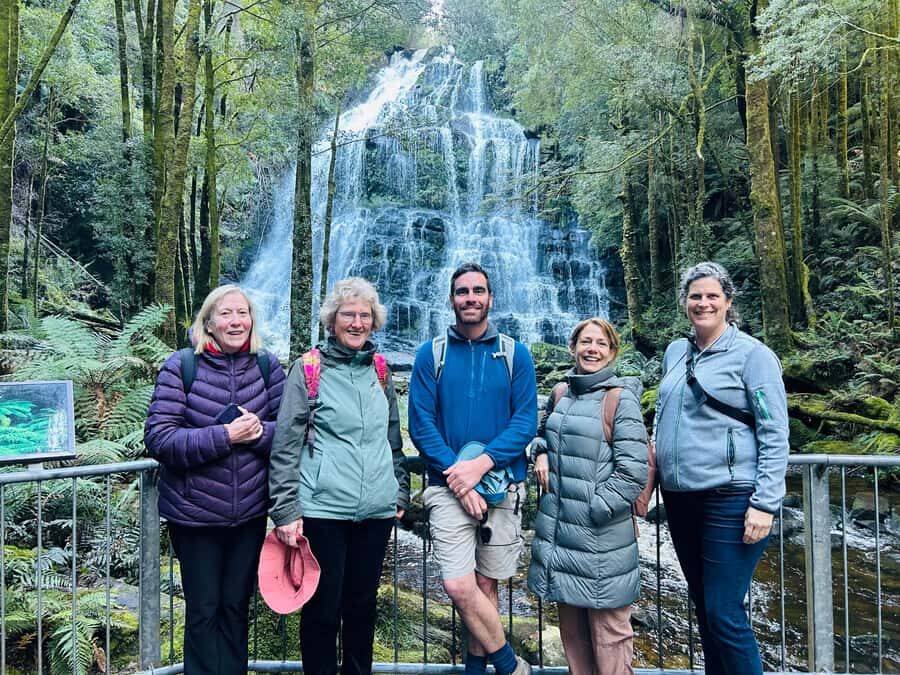
Then the tour turns west and gets into proper nature. You’ll walk among some of the world’s tallest trees at Russell Falls, and if the weather is damp, this is one of those days where the mist makes the rainforest feel more alive. From there, you move on to Lake St Clair, described as Australia’s deepest freshwater lake, which gives you a calm break from the waterfall and forest walking.
The day also includes short walking time in Franklin–Gordon Wild Rivers National Park, so you get that “step outside the bus and feel the place” moment without committing to big hikes.
You sleep in Queenstown, a small base that keeps the next day’s river cruising from feeling like a long-distance scramble.
Gordon River Cruise and Sarah Island to Tullah: Huon Pines and Big River Views
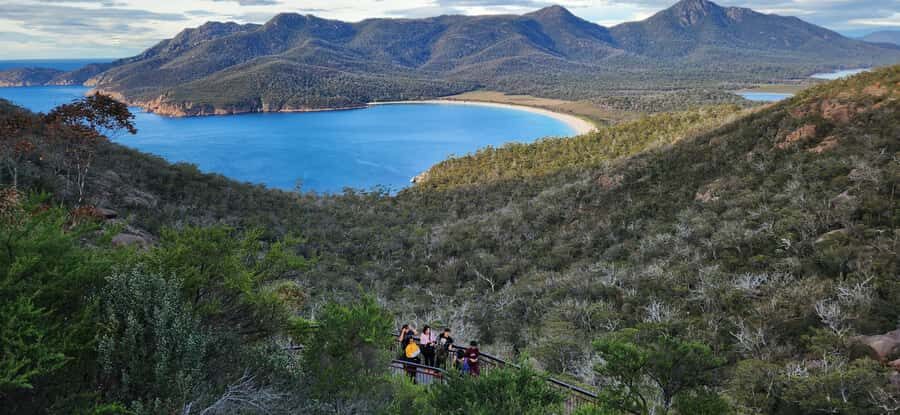
If you like water days, this is the heart of the trip. Day 2 includes a Gordon River cruise, plus the convict site of Sarah Island. This combo works well because it gives you contrast: the brutal history of the convict settlement sits inside a landscape that now feels quiet and ancient.
You also venture into the World Heritage rainforests to see ancient huon pines. The value here is that you’re not just watching scenery—you’re getting context for why these forests are protected and what makes them distinctive.
Lunch is included on board and features Tasmanian produce. It’s a practical inclusion: you spend less time searching for food and more time settling into the cruise rhythm.
By evening you’re in Tullah, a tiny town by the lakeside. You get views across Lake Rosebery and the rugged peaks of Mount Murchison, then share a group dinner and relax in lakeside chalet accommodation.
Cradle Mountain National Park: Wombat Boardwalks, Dove Lake, and Sheffield Murals
Day 3 is where Tasmania shifts from coastal and river scenery into alpine theatre. You travel from Tullah to Launceston, but not before getting your Cradle Mountain fix.
At Ronny Creek, you’ll meander along the boardwalk with a focus on spotting wombats. This matters because it’s the right kind of wildlife moment: it’s not a “stand here and hope” situation. You’re in a set walking zone, at a time when animals may be active.
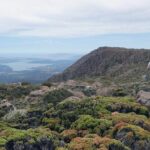
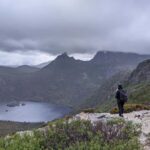
Then it’s Dove Lake time. You’ll spend about 2–3 hours circling the glacial-carved lake. The track offers strong variety: you’re surrounded by alpine vegetation, and the views toward Cradle Mountain are the reason people plan the trip around this area.
The tour gives you options for how to spend the time: you can circle the lake, or you can take in valley views from places like the Boat Shed or Glacial Rock. That flexibility is a big deal for comfort-style travel because it lets you match effort to energy.
After the alpine day, you stop in Sheffield, known as the town of murals. It’s a nice contrast to the wilderness: art and colour where you least expect it.
You overnight in Launceston, which is a good reset before the coast days.
Bay of Fires to St Helens: White Sand, Pink Granite, and Easy Coastal Time
Day 4 keeps things outdoors but more gentle. First, you visit Cataract Gorge, a scenic nature reserve minutes from Launceston. It’s a fast way to see “coastal Tasmania energy” without immediately committing to beaches.
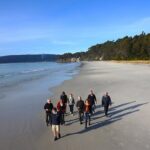
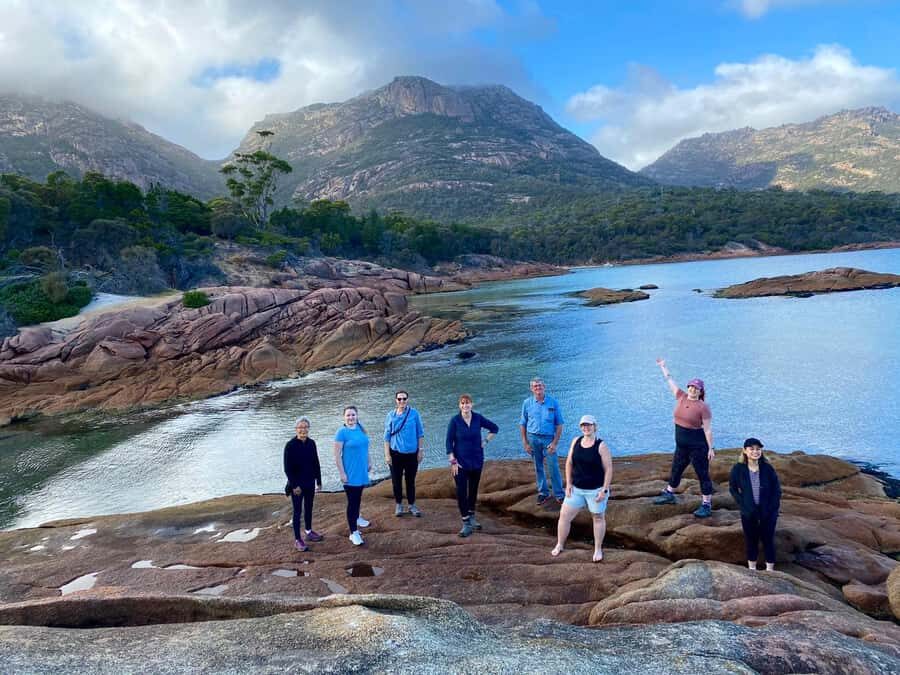
Then you travel to the East Coast to St Helens. Lunch is included there, and after that you get into Bay of Fires. The description is spot-on: turquoise waters and rust-coloured boulders set the scene against white sand. This is where Tasmania’s coastal look becomes a postcard you’ll actually want to keep.
St Helens is a smart place to base yourself overnight. It’s not a theme-park town, so you get that laid-back coastal feeling rather than rushing between check-ins and check-outs.
A few more Hobart tours and experiences worth a look


Freycinet National Park and Wineglass Bay Lookouts to Eaglehawk Neck
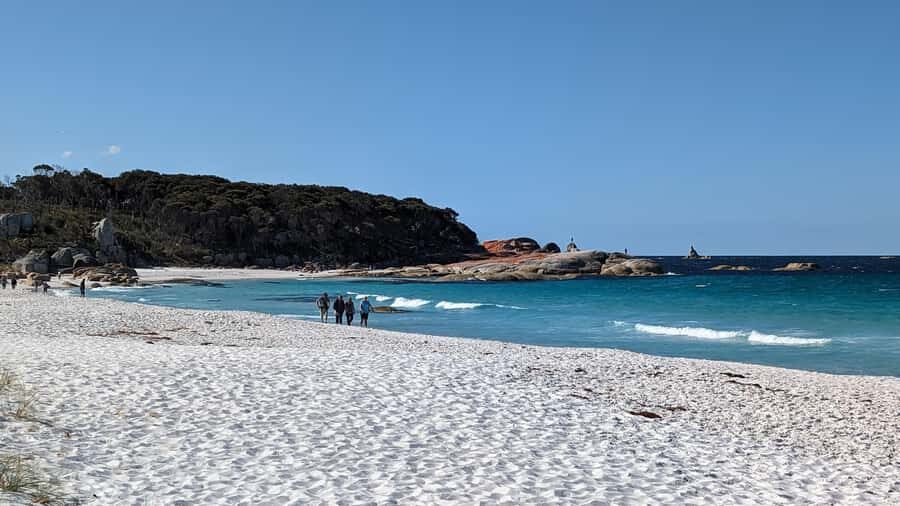
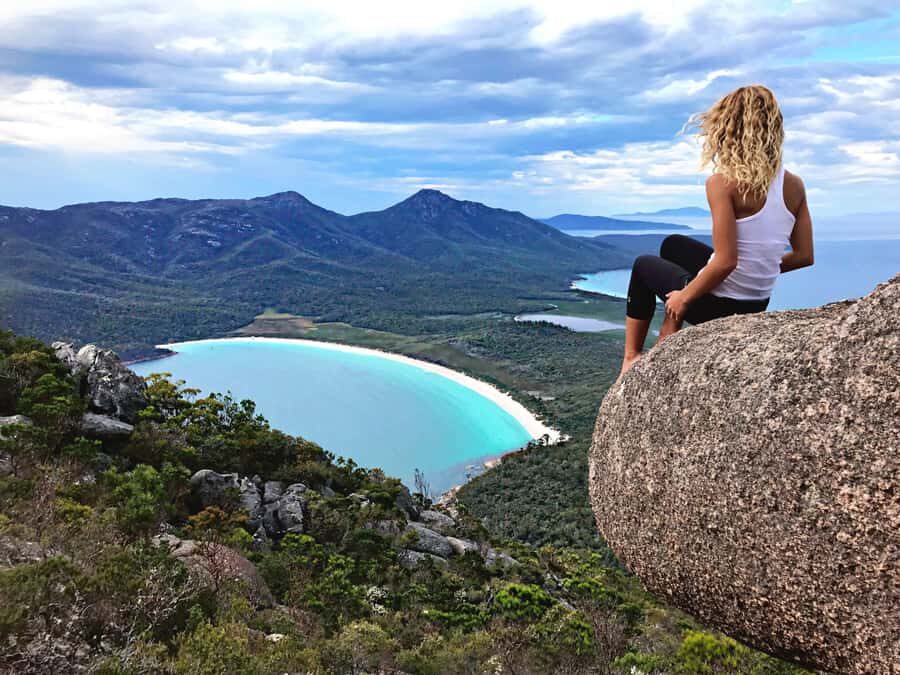
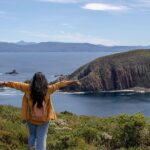
Day 5 is a classic Tasmania coast day: Freycinet National Park delivers secluded bays, pristine beaches, forests, and those pink granite formations people travel for.
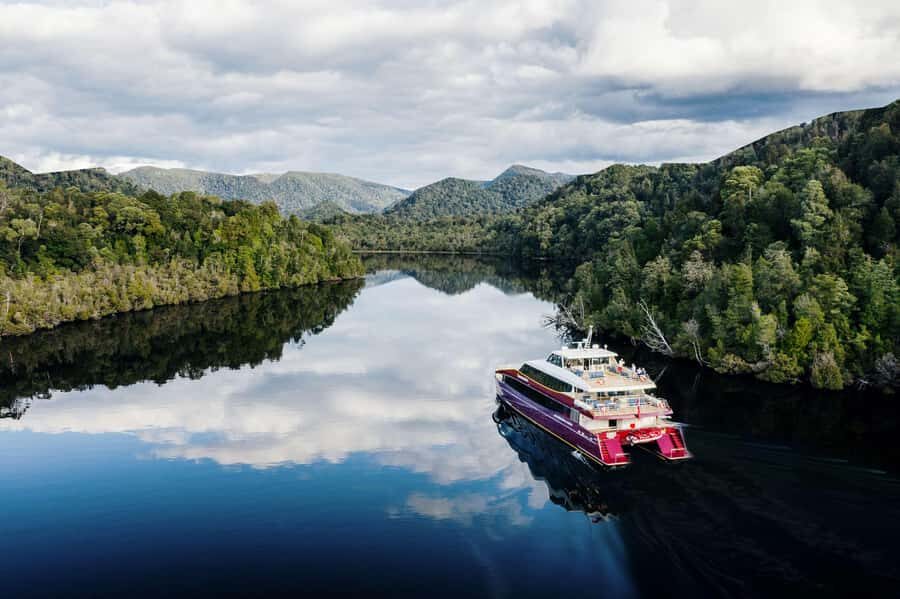
You’ll visit Honeymoon Bay and take in the Hazards Mountains with their pink granite peaks. Then there’s time for a walk to the Wineglass Bay Lookout—this is one of those viewpoints where the short walk feels worth it because the payoff is immediate and dramatic.
You also get panoramas from Cape Tourville, which helps you see the coast as a whole, not just one “perfect angle.” Then you keep driving south to Eaglehawk Neck, the gateway area to the Tasman Peninsula—a great staging point for your final day.
Overnight in Eaglehawk Neck sets you up for early exploration the next morning without rushing from Hobart.
Tasman Peninsula and Port Arthur: Tessellated Pavement, Devils Kitchen, and Convict History
Day 6 is the “big finale” day, mixing geology, wildlife, and history.
You start with Tessellated Pavement, a geological wonder you can see up close—perfect for photos, but also worth it just as a walking curiosity. Then the tour continues around the Tasman Peninsula areas including Tasman Arch and Devils Kitchen.
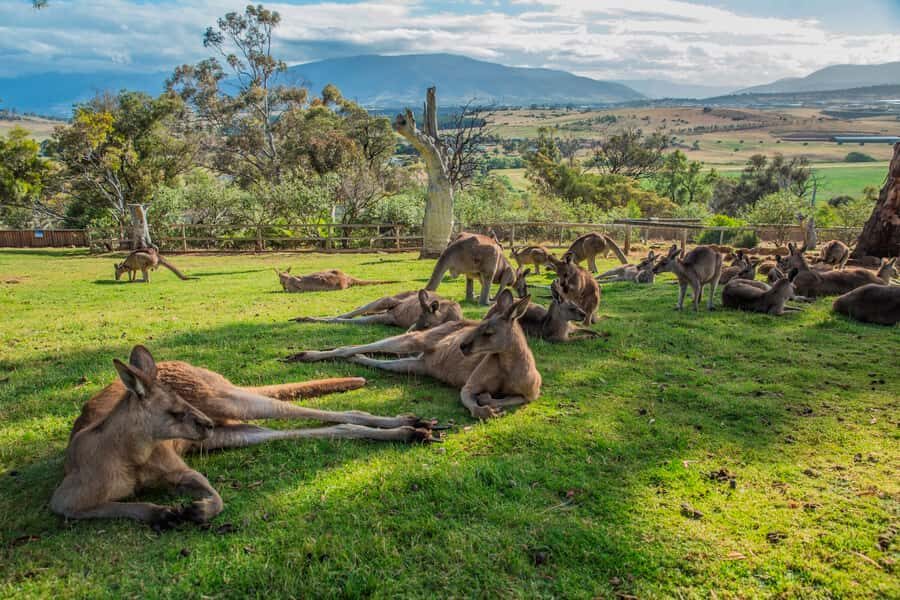
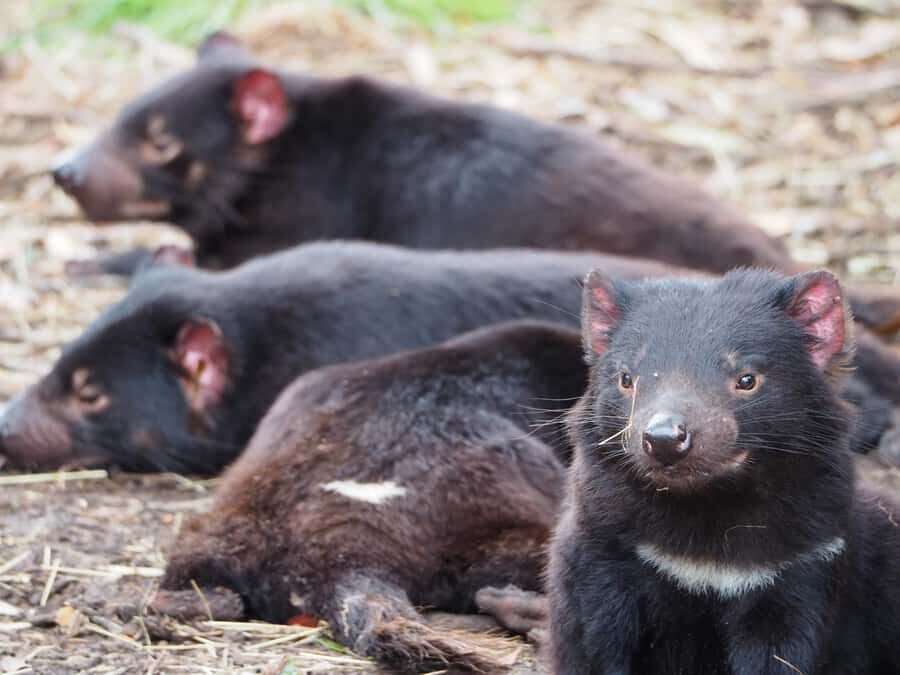
This is also your wildlife moment at a nature sanctuary where you can see Tasmanian devils and other wildlife. The key benefit of doing this on the tour is timing and access: instead of hoping for sightings, you’re going to a place set up for devils.
Then comes Port Arthur Historic Site, including entry and an open-air museum experience. You also get a harbour cruise as part of the Port Arthur inclusions. If you care about Tasmania beyond scenery, this portion adds weight—convict-era history is part of how you understand why the island developed the way it did.
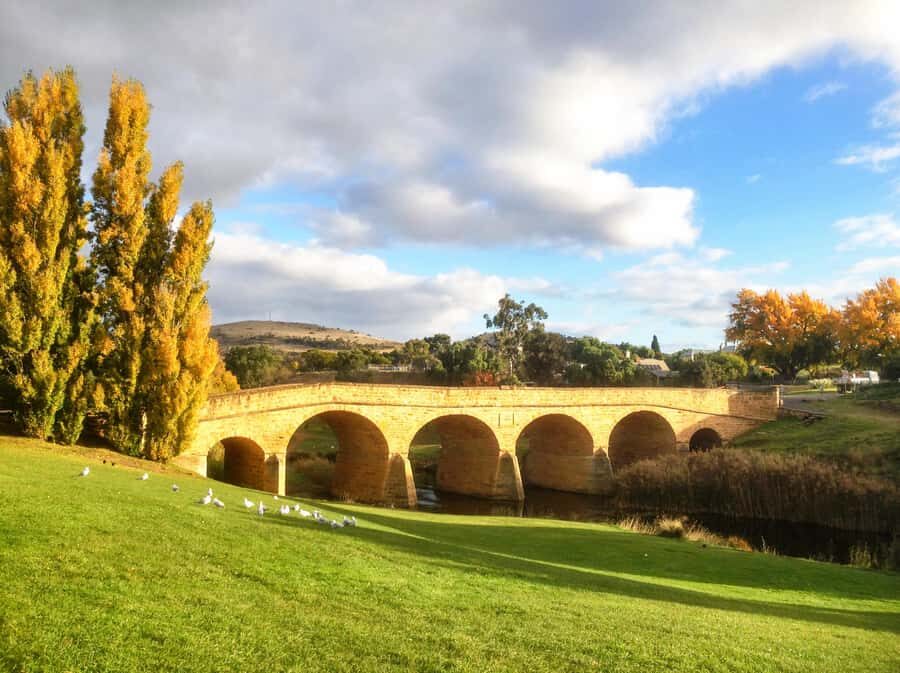
On the way back to Hobart, you stop in Richmond, a colonial village, before the journey ends.
Price and What’s Actually Included (So You Don’t Get Surprised)
At around $1,483 per person for 6 days, you’re paying for a guided, multi-night itinerary that bundles several costly or hard-to-time items.
Here’s what you get included:
- Accommodation for 5 nights in motel rooms
- Meals: Breakfast x 4, Lunch x 1, Dinner x 3
- Gordon River cruise
- Tasmanian devils via a sanctuary visit
- Port Arthur Historic Site entry and harbour cruise
- National park fees
- Guided walks
- A live English tour guide
What’s not included:
- Travel insurance
- Other meals and drinks
- Personal expenses
For value, the key point is that you’re not only buying transport and a driver. You’re getting paid time on the ground: guided walks, national park access, specific entries, and curated experiences like Gordon River and Port Arthur. If you tried to build this yourself, you’d spend time hunting tickets and managing timing across far-flung regions.
How Active Is It, Really? Walk Levels, Weather, and Comfort
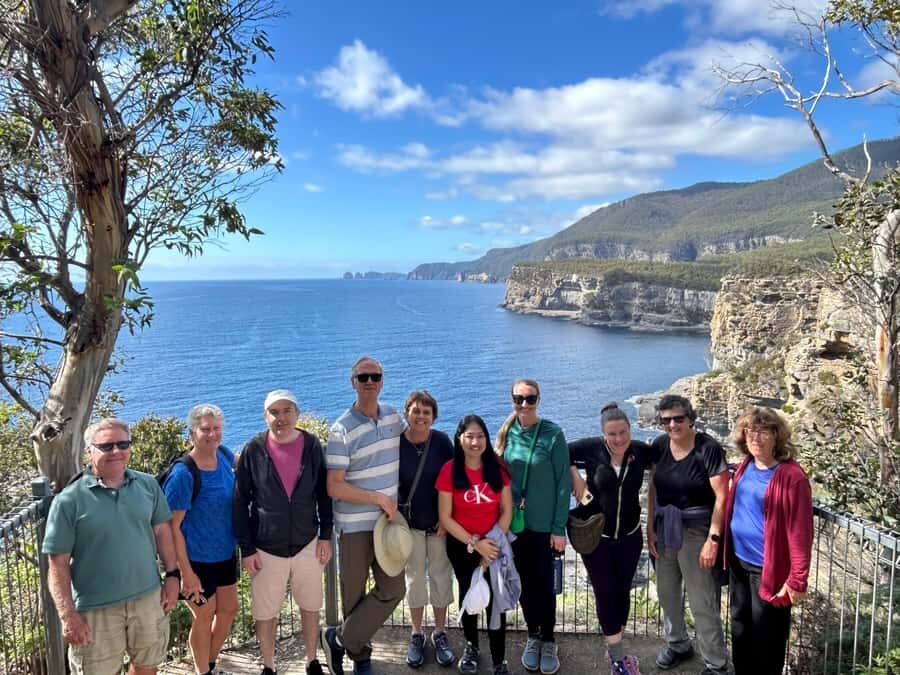
This tour is described as active, with short walks every day. Most are classified as easy to moderate, and they’re optional in many cases. The tour is designed so people with moderate fitness can maximise it, but it’s not for everyone.
If you’re choosing shoes, treat it seriously. The walk examples make the effort clear:
- A short easy walk like Russell Falls is about 25 minutes return on a mostly flat, even surface with no steep sections.
- A moderate walk like the Dove Lake Circuit is roughly 2–3 hours (about 6 km), with possible short steep hill sections, rougher ground, and many steps. It’s well formed, and the views are the reward.
The practical implication for you: bring the right footwear and plan to dress for changeable weather. The included guidance mentions warm layers, rain gear, water, and long pants.
Also consider this carefully if you have back problems, mobility impairments, or you’re travelling with children under 8. The tour notes it isn’t suitable for those categories.
What to Pack for Tasmania’s Coasts and Alps
Tasmania’s weather can change fast, and this itinerary mixes rainforest, lakes, beaches, and alpine terrain in just a week. Your packing list should reflect that.
Bring:
- Comfortable shoes (and hiking shoes if you have them)
- Warm clothing and rain gear
- Hat, sunscreen, and water
- Daypack and outdoor clothes, including long pants
- Camera
If you’re the type who hates carrying stuff, that’s exactly why a daypack helps. You can keep essentials in one place and not shuffle bags around every stop.
Small-Group Comfort: The Guide Makes a Real Difference
A small-group tour isn’t just about avoiding crowds. It changes what your days feel like—more frequent guidance, faster adjustments when conditions shift, and less time waiting.
In the best-reviewed runs, the guide Haydyn stands out for professional, safety-first pacing and solid local knowledge. One review also mentioned an impressive guitar moment after dinner, which tells me the guiding style isn’t stiff. It’s the kind of group environment where you can ask questions without feeling like you’re holding up a large bus.
Another thing I like about this style is the social side. You’ll meet people from different places, and the day structure makes it easy to chat without forcing it.
Should You Book It? My Honest Take for Different Types of Travellers
Book this tour if:
- You want to see major Tasmania highlights in one run: Cradle Mountain, Bay of Fires, Wineglass Bay area, Gordon River, Port Arthur, and the Tasman Peninsula.
- You prefer guided walking over self-planning.
- You’re comfortable with short walks daily and know how to dress for weather.
- You value included access: national park fees, Port Arthur entry, and a cruise day.
Skip it (or ask questions first) if:
- You need a fully low-walk day schedule. This tour includes walks almost every day.
- Mobility issues or back problems make steps and rough ground a problem.
- You’re expecting high-end hotel luxury. The accommodation is motel-based, and while standards can improve each night, this is still comfort touring, not spa-country.
If you like Tasmania best when it’s a mix of wildlife, geology, and convict history, this itinerary is built for you. You’ll see a lot, but it’s not chaos—you’ll just have to accept that “comfort” here still includes time outside.
FAQ
How many days and nights is this Tasmania tour?
It runs for 6 days and includes 5 nights of accommodation in motels.
Where does the tour start and finish?
The tour starts in Hobart and finishes in Hobart.
What are the main areas this tour covers?
You visit Hobart, the West Coast region, Cradle Mountain, Launceston, the Bay of Fires and St Helens area, Freycinet National Park, the Tasman Peninsula (including Eaglehawk Neck), and Port Arthur (with Richmond on the return).
Is the tour walking-heavy?
Yes. There are short walks every day. Most walks are described as easy to moderate, and many are optional, but the Dove Lake circuit is a longer moderate walk.
What meals are included?
Breakfast is included on 4 days, lunch is included on 1 day, and dinner is included on 3 days.
What cruise and heritage experiences are included?
You get a Gordon River cruise, plus Port Arthur Historic Site entry and a harbour cruise.
How do Tasmanian devils fit into the itinerary?
Tasmanian devils are included through a visit to a wildlife sanctuary where you can see devils and other wildlife.
Is pickup available in Hobart?
Pickup is optional from centrally located hotels or hostels in Hobart. Pickup is not available from Airbnbs and private residences, so you’ll need to contact the local operator if you’re outside the pickup area.
What should I bring for the tour?
Bring comfortable shoes, warm clothing, a hat, sunscreen, camera, hiking shoes, water, rain gear, and long pants. A daypack is also useful.