REVIEW · HOBART
Hobart: Admission Ticket to Bonorong Wildlife Sanctuary
Book on GetYourGuide →Operated by Bonorong Wildlife Sanctuary · Bookable on GetYourGuide
Tasmanian wildlife gets up close fast. At Bonorong Wildlife Sanctuary near Hobart, you’ll join guided tours that mix close animal encounters with hands-on conservation learning, including time with Australia’s most famous oddballs like Tasmanian devils. I love how natural and unrushed it feels, and I also like the chance to hand feed free-roaming kangaroos. The main downside is practical: on hot sunny days, shade can feel limited.
What makes Bonorong different from a typical zoo visit is the purpose. You’re not just ticking animals off a list—you’re seeing the work of a sanctuary that cares for injured and endangered wildlife, many of which can’t be safely released back into the wild. I like that the guides explain threats and how Tasmania’s unique animals are protected, and you get a real sense of staff pride and animal welfare.
From a logistics point of view, this is easy to fit into your day. Admission is $25 per person, and you get on-site car parking, plus a bag of kangaroo food and access to daily guided tours. Food and drink aren’t included, so plan to bring water or buy snacks on-site, and expect a warm day to mean sunscreen and rehydration.
In This Review
- Key things to know before you go
- Why Bonorong Feels More Like Conservation Than a Zoo
- Your Guided Tour: What the Keepers Actually Teach
- Kangaroo Feeding With Free-Roaming Roos (Yes, It’s Included)
- Marquee Wildlife: Tasmanian Devils, Wombats, Echidnas, and More
- Animal Hospital Moments: Seeing Care in Action
- Time, Tickets, and Practical Value for $25
- Tips to Make Your Day Smoother (and Keep Animals Safe)
- Who This Sanctuary Visit Is Perfect For
- Should You Book Bonorong Wildlife Sanctuary With Your Hobart Day?
- FAQ
- How much does the Bonorong Wildlife Sanctuary admission ticket cost?
- What’s included with the ticket?
- Are daily guided tours included?
- What animals can I expect to see at Bonorong?
- Is kangaroo feeding included?
- How long is the ticket valid?
- Is free cancellation available?
- Is the sanctuary wheelchair accessible?
Key things to know before you go
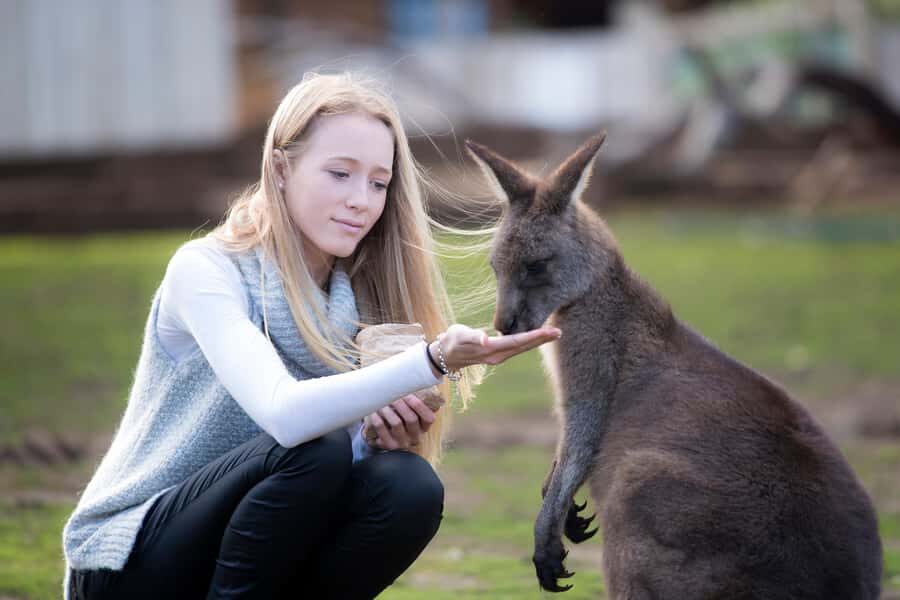
- Hand feed kangaroos with a provided bag of food in a free-roaming area
- Guides run daily tours and explain what you’re seeing, including threats and protection
- Tasmanian devils and other icons like wombats and echidnas are regular highlights
- You’ll see more than mammals with chances to spot birds as well
- Animal care is visible with reports of watching vets examine and treat injured animals
- Rules matter: no smoking or vaping, and no bringing animals onto the property without permission
Why Bonorong Feels More Like Conservation Than a Zoo
Bonorong Wildlife Sanctuary in Tasmania isn’t built around cages and spectacle. It’s built around rescue, rehabilitation, and long-term animal protection—so the visit lands with a different mood. The sanctuary takes in injured or abandoned wildlife, and many animals are there because they’re too young, too injured, or otherwise not safe to release back to the wild.
That matters because you’ll spend more time learning than just looking. When you hear how certain animals are affected in the wild, the sanctuary tours make more emotional sense. You’re watching animals at close range, yes, but you’re also seeing the reason they’re still here—and the work required to keep them safe.
I also like that the sanctuary context helps you understand Tasmania’s wildlife as a real ecosystem, not a random collection of cute creatures. The setting is meant to be a chance to appreciate animals that are rare, at risk, or unique to the region—some of which have survived where they’ve disappeared elsewhere.
More Bonorong wildlife in Hobart & Tasmania
Your Guided Tour: What the Keepers Actually Teach
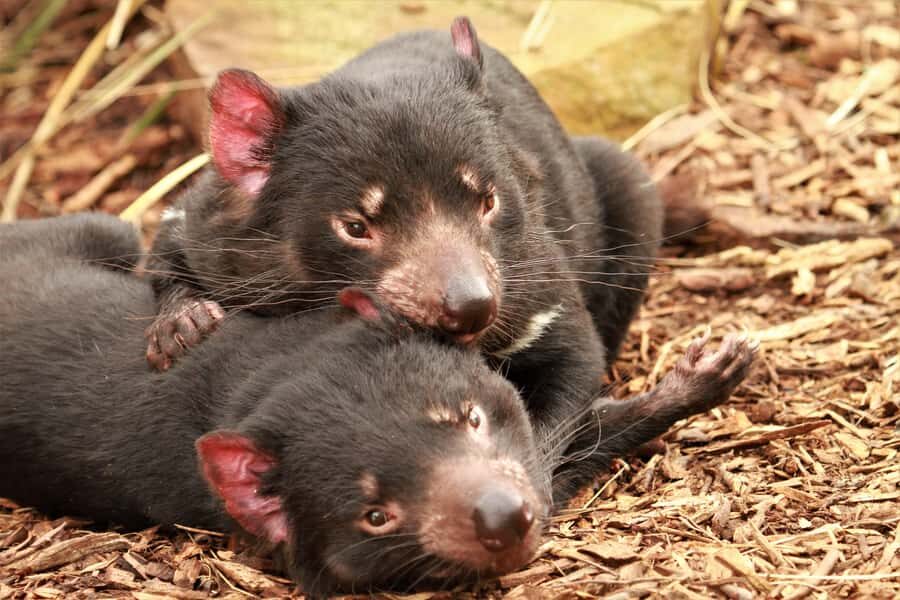
The biggest value-add here is the guided component. Your ticket includes access to daily guided tours, with an English host/greeter and guides who bring you through the sanctuary with commentary on the animals and their care. In practice, this means you’re not standing around guessing what you’re looking at.
During tours, the keepers show their favorite species, explain what threats they face, and talk about how the sanctuary protects them. They’ll also feed animals as part of the tour experience. One review experience described a basic ticket tour that covered three marquee animals—Tasmanian Devil, echidna, and wombat—then left time to explore more on your own afterward.
So if you’re trying to see the “best of Bonorong” without turning it into homework, the tours do that job. You get the essentials first, then you wander at your own pace with better context.
Kangaroo Feeding With Free-Roaming Roos (Yes, It’s Included)
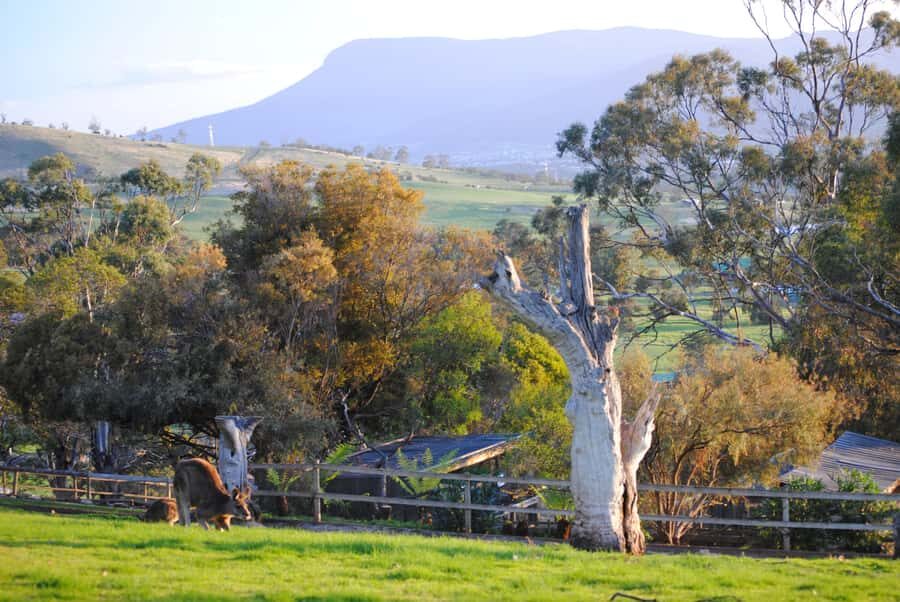
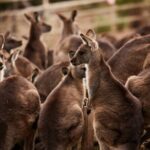
This is the moment most people remember. Your admission includes a bag of kangaroo food, and you can use it to hand feed kangaroos that roam freely in the sanctuary. The effect is different from a fenced feeding area because the kangaroos feel like part of the space rather than a prop waiting for you.
The key is to follow staff instructions closely. When animals are close, small behavior cues matter—how you hold the food, how quickly you move, and how calmly you wait. If you want photos, this is where you’ll get them, but also where patience helps. Watch what the guide says, then let the roos come to you in their own rhythm.
If your group includes kids, this feeding time tends to be a highlight because it’s interactive and tactile—right down to seeing them up close and noticing their different personalities. If you’re sensitive to crowds, aim to go when you can follow the flow of the day, rather than during the busiest moment you can’t control.
Marquee Wildlife: Tasmanian Devils, Wombats, Echidnas, and More
Bonorong’s reputation isn’t based on one animal. It’s built around a cluster of Australian favorites—and some truly unusual faces that you just don’t see elsewhere.
Here’s what you can realistically expect to encounter:
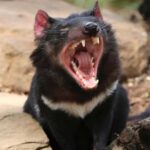
- Tasmanian devils: a top reason people come. Expect guided explanation about why they’re so threatened and how protection efforts help.
- Wombats: often included on tour routes, with staff sharing care and biology context.
- Echidnas: another common tour highlight.
- Parrots and kookaburras: visitors report good visibility of birds around the sanctuary.
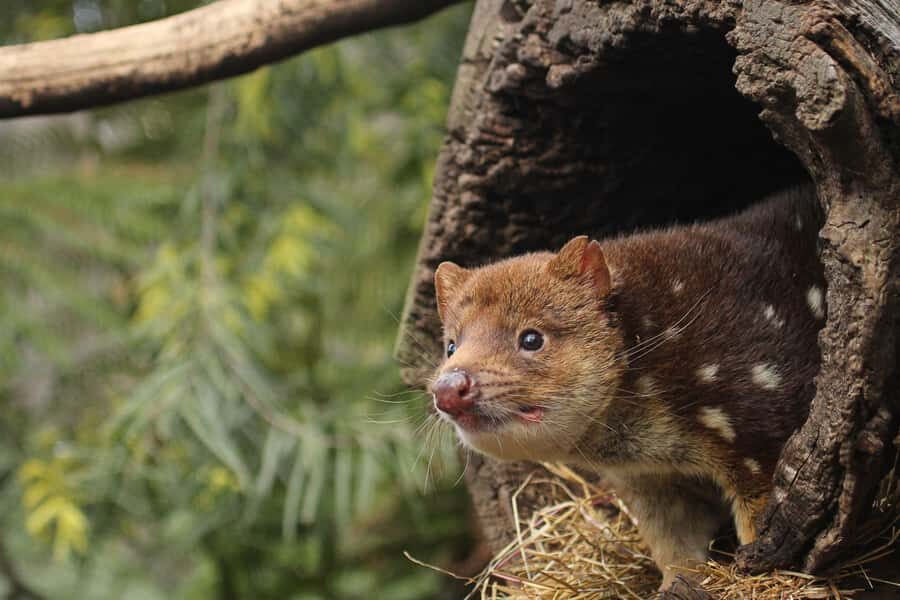
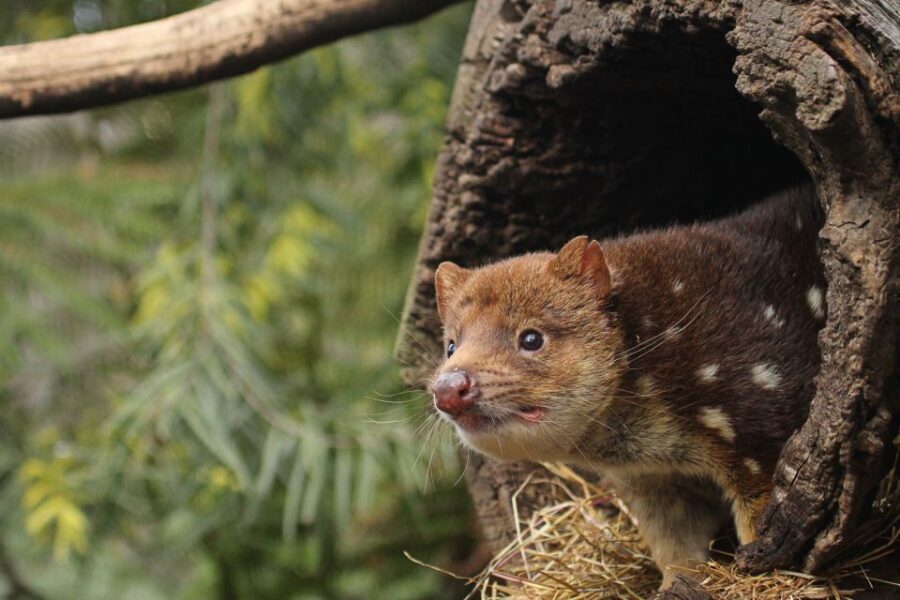
- Sugar gliders and eastern quolls: mentioned as other species you might spot during your walk-through.
- Wallabies: at least one group had a chance to pat a wallaby as part of the experience.
One of the more interesting points from the sanctuary’s overall mission is that you may see animals that are now rare in other parts of Australia. Tasmania’s wildlife has its own story, shaped by geography and history, and Bonorong leans into that perspective so you come away with more than just a photo.
When you’re walking the grounds on your own after a tour, keep your eyes moving. The best sightings often happen when you slow down and watch for movement. Birds can pop into view quickly, and if you’re already primed by the guide’s explanations, you’ll recognize what you’re seeing faster.
Animal Hospital Moments: Seeing Care in Action
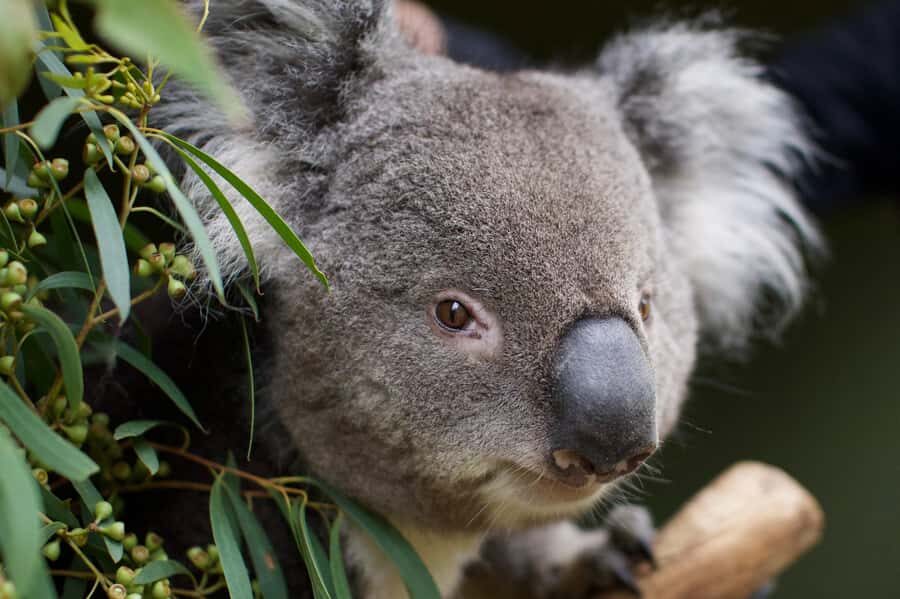
One of the most compelling details in the experience is the sense that animal care is not happening off-stage. Reviews mention that you could watch vets examine and operate on injured animals, and that the animal hospital area is clean and tidy.
I can’t promise you’ll catch every medical moment. But the fact that veterinary care is visible enough to notice tells you something: this sanctuary runs on active rehabilitation work, not passive display.
If you’re someone who wants to understand the real-life side of wildlife rescue, this portion can make the day feel heavier—in a good way. It shifts the trip from entertainment to education, and it helps you see why conservation needs funding, staff time, and patience.
If you’d rather keep things strictly cheerful and hands-on, you can still do that by focusing on the more interactive animal feeding and viewing sections. Just be aware there may be operational aspects you’ll notice if you wander toward the hospital activity.
A few more Hobart tours and experiences worth a look

Time, Tickets, and Practical Value for $25
At $25 per person, Bonorong is one of those deals that works because the ticket isn’t only for entry. Included with admission are:
- admission
- a bag of kangaroo food
- access to daily guided tours
- on-site car parking
Food and drink aren’t included, and transfers aren’t included—so if you’re coming by rideshare or public transport, you’ll want to plan that piece ahead. The good news is that on-site parking is available, which helps if you’re road-tripping around Tasmania.
The ticket is valid for 365 days, and you can check availability for starting times. Practically, this is useful if your schedule is flexible. You can pick a day that matches your weather and energy level rather than forcing it when you’re exhausted.
How long should you set aside? Since there are guided tours plus time to walk and view other animals, think of it as a half-day to full-day style outing. If it’s a hot day, you’ll move slower. If you love photos, you’ll also take your time—so building a little buffer keeps the day comfortable rather than rushed.
Tips to Make Your Day Smoother (and Keep Animals Safe)
The sanctuary rules are not tiny paperwork—they protect animals and keep the experience calm.
Here are the big “respect the space” points you should plan around:
- No smoking or vaping within the sanctuary.
- Don’t bring or take animals onto the property without permission (including assistance dogs). If you need an exception, you’ll want to ask in advance.
- Leave skating and sport gear at home. That includes skateboards, rollerblades, bicycles, tricycles, and similar items that could startle animals or create safety issues.
- Don’t bring smoking materials and don’t light cigarettes or e-cigarettes anywhere on-site.
- Be mindful with movement. If the area is crowded or animals are near, slow down and follow staff cues.
For your comfort, I’d also recommend:
- sunscreen and water, especially on bright days when shade may be limited
- closed-toe shoes for walking
- a phone camera or small camera setup you can use one-handed during feeding moments
If you’re bringing kids, this is also where having snacks and kid-friendly pacing helps. A hot day plus lots of waiting isn’t fun, and planning ahead keeps the experience positive for everyone.
Who This Sanctuary Visit Is Perfect For
Bonorong is ideal if you want close animal encounters with an actual conservation mission behind them. I think it’s especially strong for:
- families with kids who love animals and enjoy interactive moments like kangaroo feeding
- first-time visitors to Tasmania who want the iconic wildlife without complicated planning
- animal lovers who appreciate learning about threats and rescue work
- travelers who want a more humane, purpose-driven experience rather than just a checklist zoo
It also works for international visitors, since the standout animals—Tasmanian devils, wombats, kangaroos—translate across languages. One review described how seeing a Tasmanian devil can be a life-highlight for travelers who came specifically for that moment, and that kind of focus is easy to understand once you’re there.
If you’re traveling with mobility needs, it’s wheelchair accessible, and the sanctuary provides on-site car parking if you’re driving.
Should You Book Bonorong Wildlife Sanctuary With Your Hobart Day?
Book it if you want a day that mixes hands-on animal feeding, close views of Tasmania’s wildlife icons, and guided explanations about conservation and animal protection. At $25, with kangaroo food and guided tour access included, the value is strong—especially if you care about learning as much as you care about photos.
Consider skipping or adjusting expectations if you’re sensitive to heat. Reviews mention the need for more shade on hot, sunny days, and you’ll likely feel that on your walk around the grounds. Also plan for basic needs like food and drink, since they’re not included.
If your goal is to experience Tasmanian wildlife in a setting built around rescue and rehabilitation, Bonorong is a solid, meaningful choice—and one you can feel good about after you leave.
FAQ
How much does the Bonorong Wildlife Sanctuary admission ticket cost?
The price is $25 per person.
What’s included with the ticket?
The ticket includes admission, a bag of kangaroo food, access to daily guided tours, and on-site car parking.
Are daily guided tours included?
Yes. Your admission includes access to daily guided tours.
What animals can I expect to see at Bonorong?
You can see Australian wildlife such as kangaroos, wombats, Tasmanian devils, and other species mentioned like sugar gliders and eastern quolls. Birds such as kookaburras and parrots may also be visible.
Is kangaroo feeding included?
Yes. You receive a provided bag of kangaroo food and can hand feed the free-roaming kangaroos.
How long is the ticket valid?
The ticket is valid for 365 days.
Is free cancellation available?
Yes. You can cancel up to 24 hours in advance for a full refund.
Is the sanctuary wheelchair accessible?
Yes, the experience is listed as wheelchair accessible.