REVIEW · HOBART
Tasmania: Wilderness and Wildlife Guided 6-Day Tour
Book on GetYourGuide →Operated by Under Down Under Tours · Bookable on GetYourGuide
Tasmania grabs you fast, especially when you don’t have to drive. This small-group tour strings together standout beaches, World Heritage hiking, and up-close wildlife time with real local guiding.
What I like most is the way you get walk options every day, so the tour fits different legs and energy levels. And I really love that the wildlife moments are practical, like Bonorong Wildlife Sanctuary and the chance to spot wombats and wallabies without turning it into a chase.
One consideration: it’s an active trip. You’ll be walking most days, and it’s not set up for people with back problems or mobility limits, and the bus comfort is only average.
In This Review
- Key things to know before you go
- Tasmania without a rental car: the value of this route
- Day 1: Hobart to Strahan through Mount Field and Lake St Clair
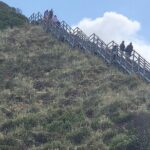
- Day 2: Strahan and the West Coast wilds—Henty Sand Dunes and rainforest walks
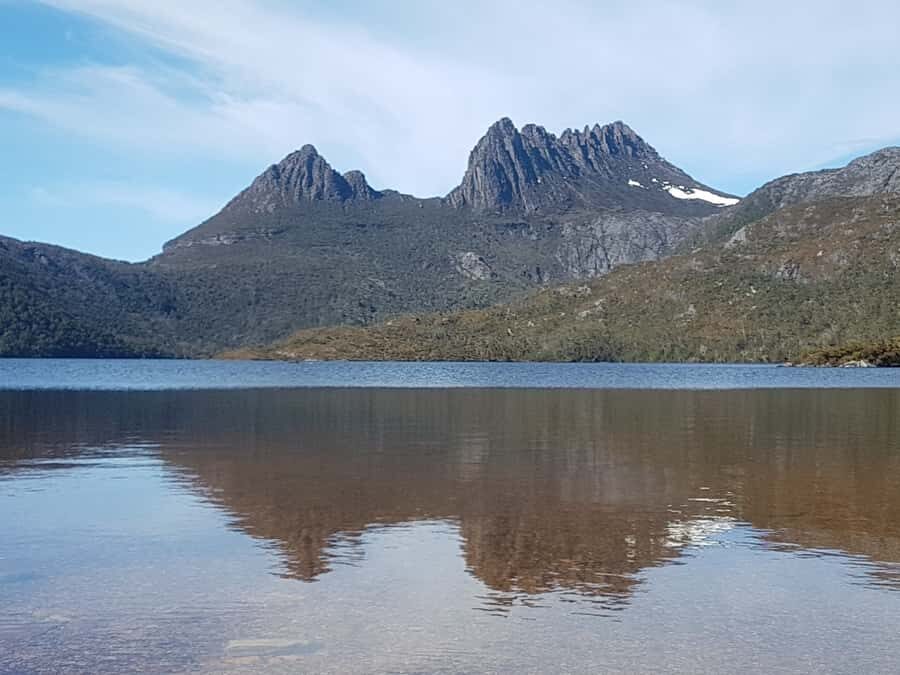
- Day 3: Cradle Mountain National Park—Dove Lake, Marion’s Lookout, and wombats
- Day 4: Launceston to Bicheno—Cataract Gorge, St Helens, Bay of Fires, and penguins
- Day 5: Freycinet National Park—Honeymoon Bay, Wineglass Bay, Mt Amos, and Cape Tourville
- Day 6: Bonorong wildlife, Richmond’s colonial stroll, and Wellington Park kunanyi
- What the walking is actually like: easy-moderate, optional, and daily
- Accommodation, luggage, and the small comforts that matter
- Price and value: what $831 buys (and what you still pay)
- Best fit: who this tour suits (and who should skip)
- Should you book this 6-day Tasmania wilderness and wildlife tour?
- FAQ
- What is included in the tour price?
- Do I need a car for this tour?
- What kinds of walks are included?
- Can I choose a hike that fits my fitness level?
- Is there an option to walk without a guide?
- Where does pickup happen in Hobart?
- What type of accommodation will I have?
- What should I bring?
- Is food included?
- Is the Gordon River cruise included?
- Is the tour suitable for kids or limited mobility?
- How far in advance can I cancel for a refund?
Key things to know before you go
- Guided walks with choices: you can match your hike to your fitness and skip guided-only moments when needed
- Cradle Mountain day has real variety: from the Dove Lake circuit to the tougher Marion’s Lookout climb
- East Coast beaches are the main character: Freycinet beaches plus the white-sand stretch at Bay of Fires
- Bonorong is a wildlife anchor: devils and other species in a conservation setting
- Your guide can make the drive feel alive: names like Phil, Keygan, Tim, Brendan, Hayden, and Garreth show up across guides, with local stories and patience
- Optional add-on if you want water views: the Gordon River cruise is extra and at your own cost
Tasmania without a rental car: the value of this route
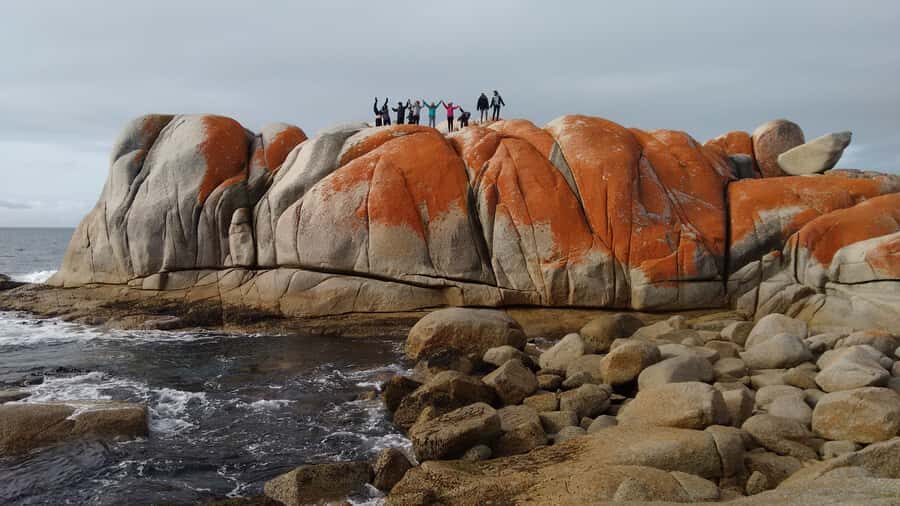
If you’re visiting Tasmania for the first time, the hardest part is often logistics. Distances are real. Roads are scenic but not quick. This 6-day format fixes that by doing the driving for you and focusing on the highlights in a smart loop: west wilds, then the mountains, then the east coast, then back to Hobart.
You’ll also be covered for a big chunk of the “DIY headache.” National Park entry fees are included, and Bonorong Wildlife Sanctuary entry is included too. That matters because those costs stack up fast once you’re bouncing between reserves.
The pickup and drop-off setup is also straightforward in Hobart city areas. Pickup is optional from centrally located hotels and hostels. If you’re staying in an Airbnb or private residence, pickup isn’t provided, so you’ll need to use the closest practical meeting point the operator suggests. Translation: plan to be near the city when you want convenience.
More multi-day Tasmania in Hobart & Tasmania
Day 1: Hobart to Strahan through Mount Field and Lake St Clair
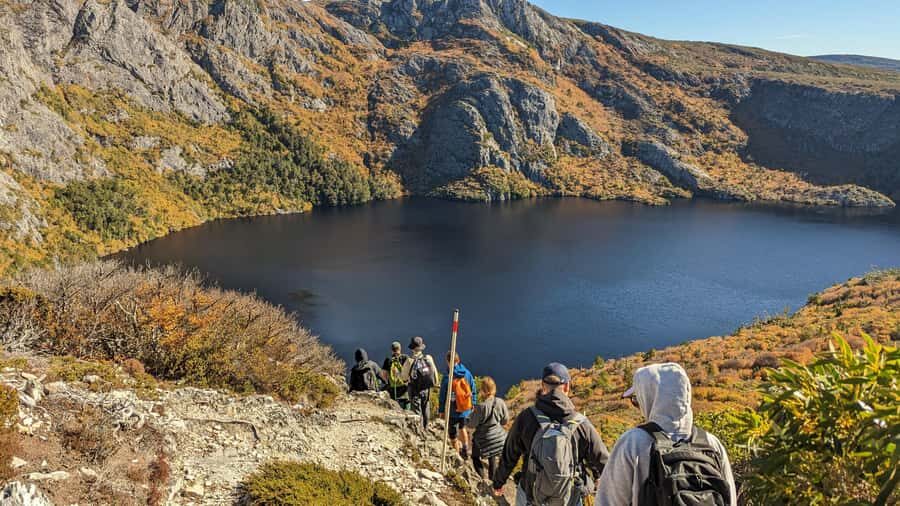
Day 1 is basically a “Tasmania greatest hits” warm-up, starting with the transition from Hobart into the island’s wild interior. You’ll stop at Mount Field National Park to see Russell Falls and walk among some of the world’s tallest trees. Russell Falls is an easy option on the day’s schedule—about 25 minutes return and 1.4 km on mostly flat, even ground with no steep sections.
Then it’s on to Lake St Clair. This is the kind of stop that feels like a reset button: Tasmania’s deepest freshwater lake, with big stillness and a sense of distance. After that, you drive through Franklin-Gordon National Park, which is known for pristine rainforest and mountain scenery. This isn’t just “look and go.” The drive itself is part of what makes the route feel cinematic.
You’ll also pass through Queenstown, the old mining town, before reaching Strahan, a harbourside village that’s a good landing spot after long stretches of scenery.
Why this day feels worth it: it sets up your trip with a range of Tasmania types—waterfalls and forests early, then you move into the West Coast next.
Day 2: Strahan and the West Coast wilds—Henty Sand Dunes and rainforest walks
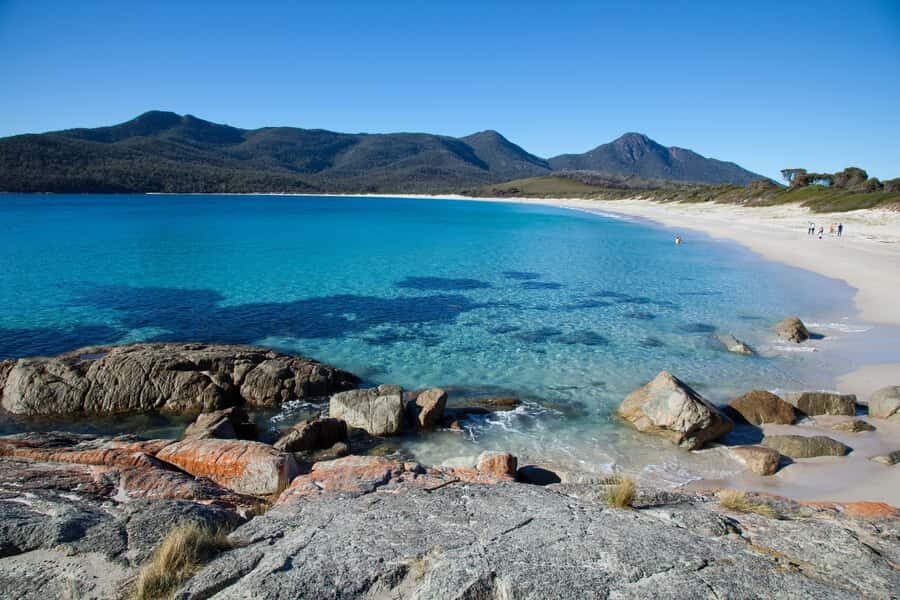
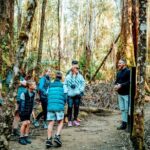
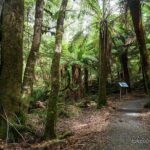
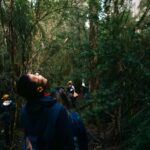
The second day leans hard into the West Coast mood: big natural spaces and that clean, salty air you only get near the ocean. You’ll explore the Henty Sand Dunes, and then join a guided nature walk in ancient rainforest. If you like learning how plants and terrain shape the ecosystem, this is a great use of your time because the walk is guided and not just scenic drifting.
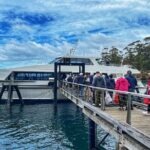
You’ll also have an optional choice if you want water views: a Gordon River cruise is available at your own expense. If you’d rather keep your budget steady or skip additional time on the water, you can just stick with what’s included and focus on the land-based stops.
Later you’ll reach Ocean Beach—one of those places where the air feels sharper, like it’s been rinsed. It’s a simple end to the day, and it helps you get ready for Cradle Mountain later when you’ll be on more defined trails.
Potential drawback on day 2: if you’re expecting a lot of comfort stops, the day is built for nature time first. Bring water, and don’t plan to snack only at the very end.
Day 3: Cradle Mountain National Park—Dove Lake, Marion’s Lookout, and wombats
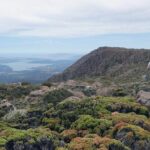
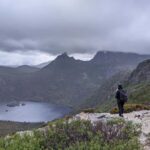
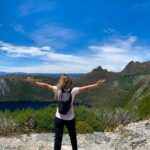
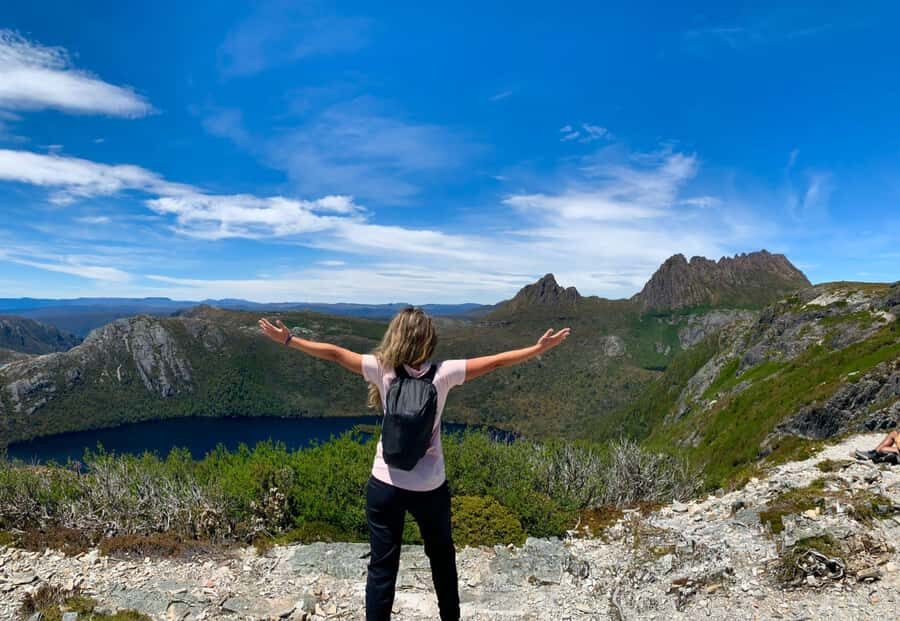
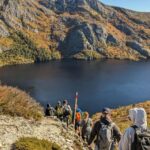
Cradle Mountain is the World Heritage highlight that earns its reputation. This is the day most people picture when they think Tasmania: alpine lakes, glacial-carved terrain, and weather that can change faster than your socks dry.
You’ll be able to choose your walk based on fitness and how steady you feel. Two standout options:
- Dove Lake circuit: often the best short hike here. It’s about 2–3 hours and around 6 km, with rougher surfaces and lots of steps, plus short hill sections.
- Marion’s Lookout: more challenging, with a scenic climb that’s worth it if your legs are game.
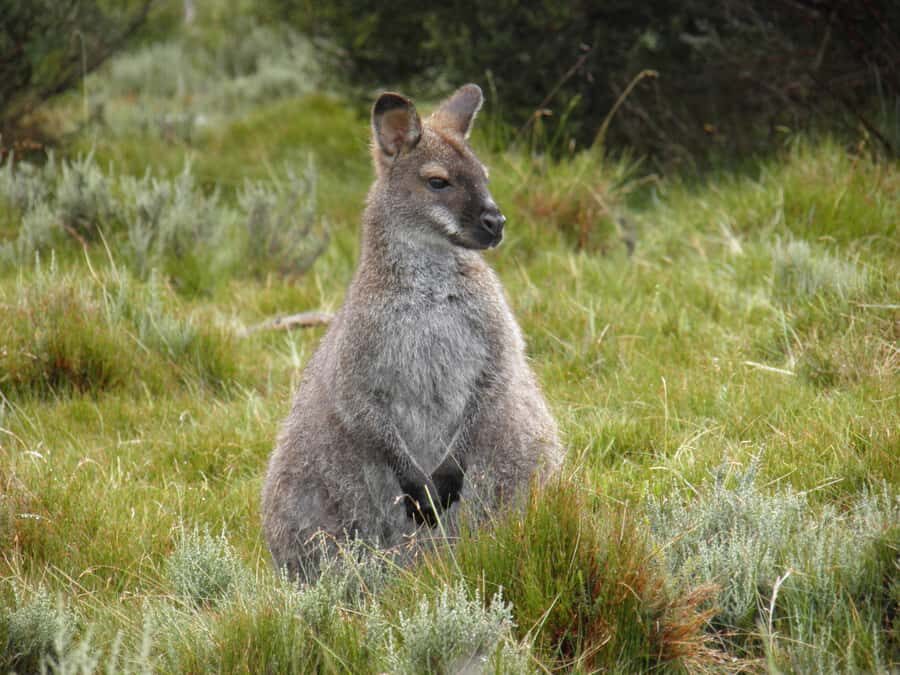
There’s also a practical wildlife moment. The plan includes looking for wombats at Ronny Creek. Even if you’re not guaranteed sightings, this stop is designed for noticing—watching movement near the right spots is half the fun here.
After the mountain time, the day shifts gears as you leave the highlands and head toward Launceston. There’s a stop in Sheffield, known for its Town of Murals. It’s a nice palate cleanser after big nature, and it breaks up the driving.
Why this day is worth the effort: it’s not just one iconic trail. You’re given choices, so you don’t have to force yourself into a hike that doesn’t fit your body that day.
Day 4: Launceston to Bicheno—Cataract Gorge, St Helens, Bay of Fires, and penguins
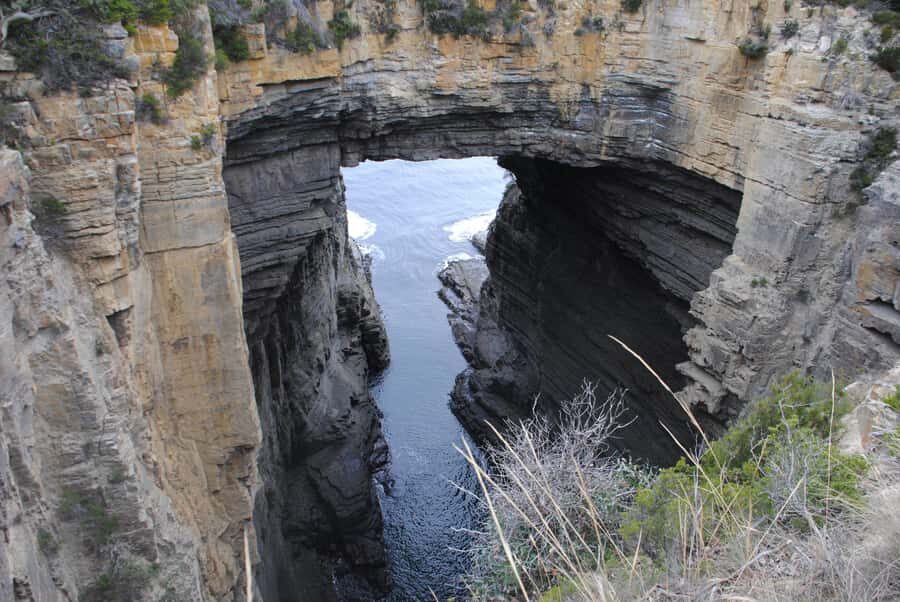
Day 4 is where Tasmania’s east coast personality shows up. You start in Launceston at Cataract Gorge. The walk time is a chance to look out for local wallabies. Sometimes wildlife is closer than you think, and this is one of those setups where the guide’s focus on spotting helps you slow down and actually notice.
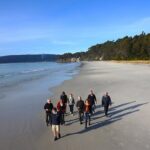
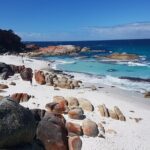
Then you hit the road for east-coast scenery and lunch in St Helens. After that, you walk along the white sands of the Bay of Fires. This is the signature kind of beach walking Tasmania does well—clean sand, coastal outlooks, and that feel of wide-open space.
In the evening you sleep in Bicheno, a picturesque fishing village. You can watch for penguins emerging from the sea. That’s one of those “don’t miss the window” moments, because it’s tied to when the day cools and the shore activity starts.
What to expect from the beach walk: it’s on foot, and you’ll want solid shoes. Sand can be deceptively tiring, especially if the wind is up.
Other guided tours in Hobart


Day 5: Freycinet National Park—Honeymoon Bay, Wineglass Bay, Mt Amos, and Cape Tourville
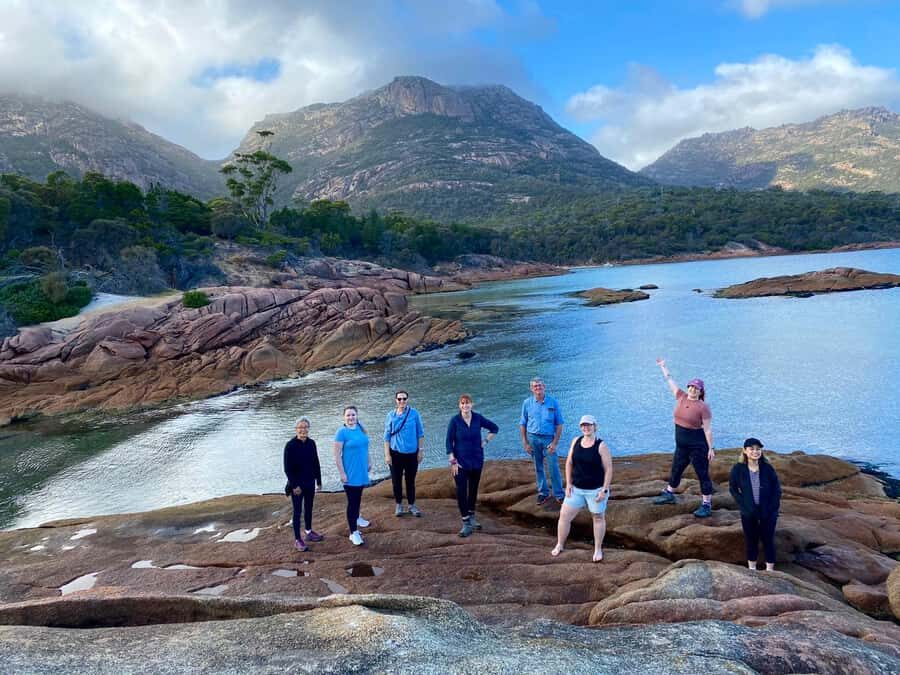
Freycinet National Park is where Tasmania’s coastline turns into a full-time obsession. The day starts with coastal variety: beaches, forests, coves, and lookouts. One of the visual anchors is the pink granite Hazards mountain range, seen from viewpoints like Honeymoon Bay. That color shift can be subtle depending on light, but it’s exactly why people remember this part of the island.
You’ll also have choices for how ambitious you want to be:
- For a bigger effort, you may tackle a challenging climb to the summit of Mt Amos.
- For a more moderate approach, you can walk to a lookout to view the curved white sands of Wineglass Bay, then continue to the beach below.
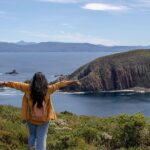
The day doesn’t end at the park gate. You’ll also take in ocean and mountain views from Cape Tourville before returning to Hobart via the Great Eastern Drive.
A practical note: if you’re tired, picking the lookout route over the summit is not “giving up.” It’s using the day smarter.
Day 6: Bonorong wildlife, Richmond’s colonial stroll, and Wellington Park kunanyi
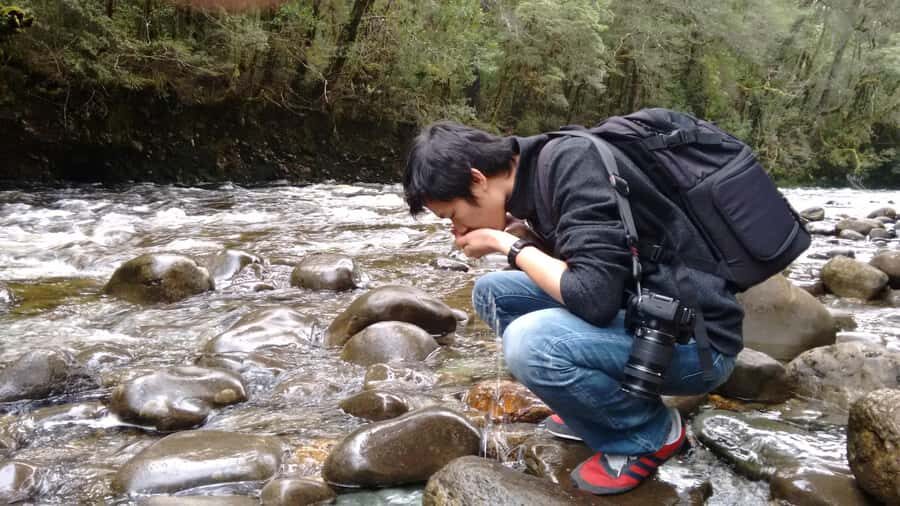
Your final day is built around living Tasmania, then finishing with a scenic nature walk in a different kind of terrain.
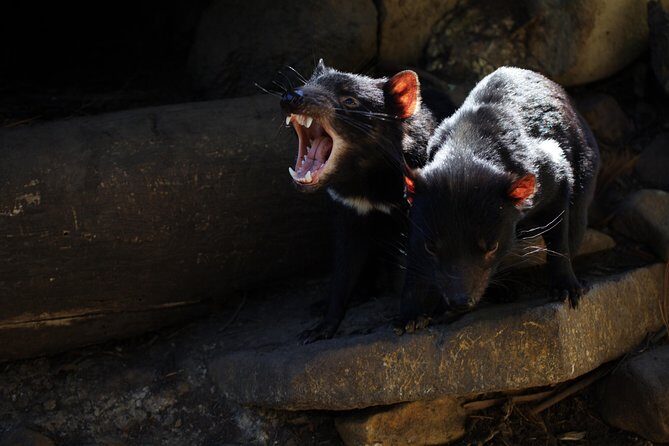
First stop: Bonorong Wildlife Sanctuary. This is Tasmania’s best-known conservation and wildlife sanctuary, and it’s where you meet a variety of animals. The list includes quolls, birds, wombats, kangaroos, and Tasmanian devils. This is one of the most “you don’t need luck” parts of the trip because it’s designed for animal encounters rather than hoping you pass them by on a random trail.
After wildlife, you walk around the colonial village of Richmond. It’s a slower, more human-scale stop. You get a change of pace after days of big scenery.
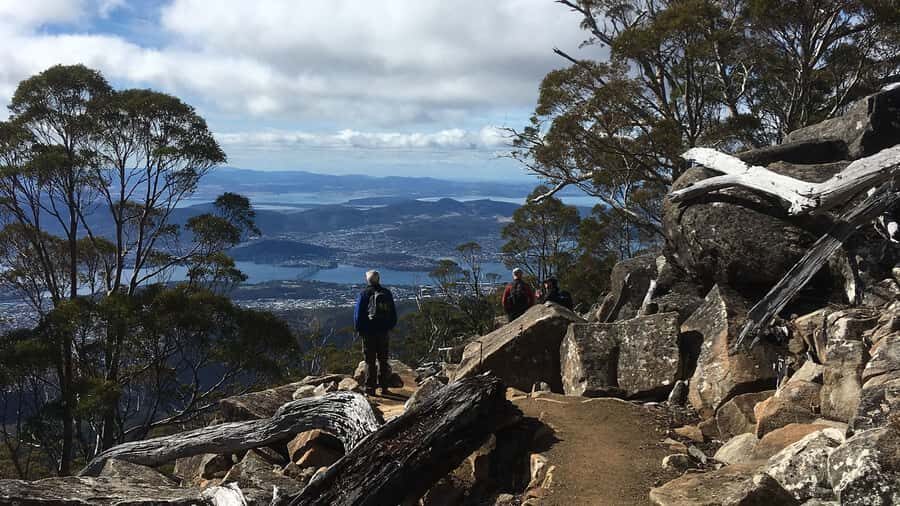
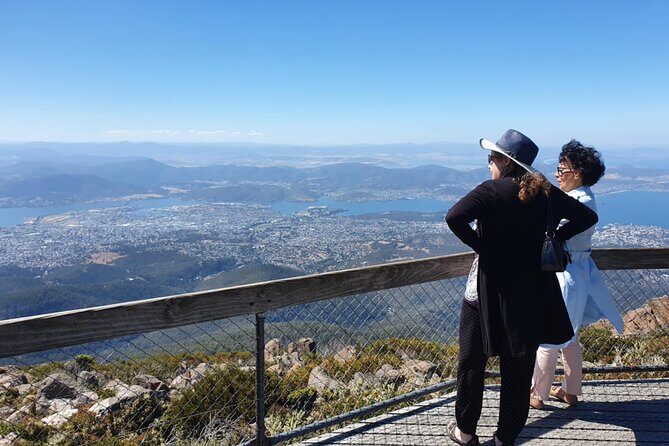
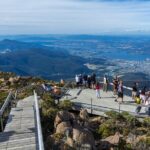
Then you return to Hobart via the Coal River Valley, and finish at Wellington Park, locally called The Mountain, and known as kunanyi in the palawa language. The guide shares how the park’s features connect—fern glades, eucalyptus forests, dramatic rock columns, and boulder fields. You’ll also have superb walking tracks to lookouts, with choices based on what you feel like doing on the last day.
Why the ending works: you get both education and scenery, and it closes the loop of the whole trip—wildlife, wilderness, and viewpoint walking.
What the walking is actually like: easy-moderate, optional, and daily
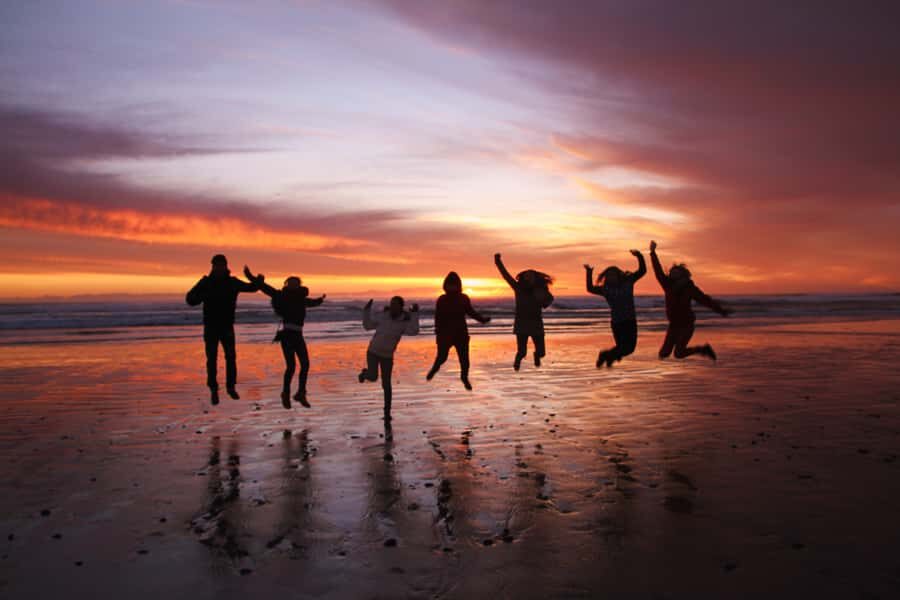
This is an active itinerary. Short walks happen most days, and they’re generally classified as easy to moderate. The key detail is that the walks are optional and you can choose routes that fit your fitness.
A good example of an easy walk is Russell Falls: flat and short, no steep sections, no steps in that specific walk option. A good example of a moderate day is the Dove Lake circuit: 2–3 hours, 6 km, rough surfaces, and many steps.
So here’s the practical mindset I’d use if you’re considering this tour: plan to walk every day, but you don’t have to push into the hardest choice each time. You can conserve energy and still feel like you saw the places.
Also, guided walks come with an option to walk without a guide. That’s useful if you prefer independent pacing on certain stretches, or if you want a quiet break without losing the chance to rejoin.
Accommodation, luggage, and the small comforts that matter
You’ll get 5 nights’ accommodation, split across the trip in Strahan, Launceston, Bicheno, and Hobart (with one final night in Hobart on day 5 leading to day 6’s end). You can choose hostel or motel options.
- Motels: private rooms with ensuite facilities.
- Hostels: same-gender dorm rooms, or private rooms (twin/double/single) with shared same-gender bathrooms.
If you book a twin or double option, there’s a minimum of 2 persons required. That’s worth checking early if you’re traveling solo and hoping to book a private setup.
Luggage handling is also simple. You can bring up to 20 kg of luggage, and it’s stored in a trailer on travel days. Pack smart, because you’ll be carrying what you need for the day while the tour handles the rest.
One small comfort point: some motels are set up so you can do basic breakfast prep by heating water, which makes mornings easier when you’re moving early.
Price and value: what $831 buys (and what you still pay)
At $831 per person, the value here comes from the mix of included costs plus the fact that you’re not self-driving.
Here’s what’s included:
- pick-ups and drop-offs at selected Hobart city locations
- 5 nights’ accommodation
- commentary throughout the activity
- guided walks (with the option to walk without a guide)
- National Park entrance fees
- Bonorong Wildlife Sanctuary entry
What’s not included:
- food and drinks
- Gordon River cruise (optional, at your own expense)
If you’re comparing against DIY, the big savings usually come from not paying for repeated park entries, not paying for guided wildlife access, and not spending your time coordinating stops day-to-day. Add in guided commentary plus transport between regions, and the price starts to look more like a packaged service than a raw ticket.
That said, the biggest variable cost you control is food. Since meals aren’t included, bring a game plan: pick grocery basics when possible, and budget for lunch when you’re stopped at towns like St Helens. This is one of those trips where a little self-planning makes the whole week feel smoother.
Best fit: who this tour suits (and who should skip)
This is a strong match if you:
- want to see a lot of Tasmania without hiring a car
- like hiking short-to-medium distances and can handle uneven terrain and some steps
- care about wildlife encounters in a conservation-focused setting
- enjoy having options each day instead of one forced route
It’s also a good choice if group time appeals to you. The guides tend to work the day with both scenery and practical pacing in mind, and guide styles in this tour often include local stories and patience on trails. Names that have come up with great feedback include Phil (local tips on cafes and ice cream), Keygan (animals, scenery, and history), Tim, Brendan, Hayden, and Garreth.
Skip this if you:
- have back problems or mobility impairments
- need a fully low-walking itinerary
- are traveling with children under 8
Also, if you’re sensitive to bus comfort, keep expectations realistic. At least one traveler noted the bus was a bit old, so you may want to bring your own comfort items.
Should you book this 6-day Tasmania wilderness and wildlife tour?
I’d book it if you want an efficient Tasmania loop with real walking and multiple nature types packed into 6 days: waterfalls, rainforest, alpine hikes, white-sand beaches, and wildlife at Bonorong. The daily hike options are a big deal because they keep the trip from turning into a one-size-fits-all march.
I wouldn’t book it if you’re after a relax-every-hour vacation. This tour is active, and the best parts require footwear, weather-ready layers, and a willingness to spend time outdoors every day.
If you’re on the fence, decide this way: can you do a moderate hike like the Dove Lake circuit on a good day, and can you handle short beach walks without treating it like a chore? If yes, this is a very solid way to see Tasmania.
FAQ
What is included in the tour price?
The tour includes pick-ups and drop-offs at selected Hobart city locations, 5 nights’ accommodation, commentary, guided walks (with the option to walk without a guide), National Park entrance fees, and entry to Bonorong Wildlife Sanctuary.
Do I need a car for this tour?
No. The tour includes transportation between stops and uses pickup/drop-off in Hobart rather than requiring you to drive yourself.
What kinds of walks are included?
The tour has short walks every day. Most walks are classified as easy to moderate and are optional. Examples given include Russell Falls (about 25 minutes return, 1.4 km, easy) and the Dove Lake circuit (about 2–3 hours, 6 km, moderate).
Can I choose a hike that fits my fitness level?
Yes. On days like Cradle Mountain, you can choose a walk to suit your fitness, and the schedule includes walks on a range of difficulty levels.
Is there an option to walk without a guide?
Yes. Guided walks are included, but you have the option to walk without a guide.
Where does pickup happen in Hobart?
Pickup is available from centrally located hotels or hostels in Hobart. Pickup is not available from Airbnbs and private residences, so you’ll need to ask the operator for the closest convenient pickup location if you’re outside the pickup area.
What type of accommodation will I have?
You can choose hostel or motel accommodation options. Motels have private rooms with ensuite facilities. Hostels offer same-gender dorm rooms, or private twin/double/single rooms with shared same-gender bathrooms.
What should I bring?
Bring comfortable shoes (and hiking shoes if you have them), warm clothing, sunglasses, a sun hat, sunscreen, a reusable water bottle, water, long pants, a jacket, and swimwear plus a towel. A camera is also handy.
Is food included?
No. Food and drinks are not included in the tour price.
Is the Gordon River cruise included?
It’s optional and at your own expense.
Is the tour suitable for kids or limited mobility?
No. It isn’t suitable for children under 8, people with back problems, or people with mobility impairments.
How far in advance can I cancel for a refund?
You can cancel up to 14 days in advance for a full refund.