REVIEW · HOBART
Wineglass Bay And Maria Island Wildlife Scenic Flight From Hobart
Book on Viator →Operated by Par Avion · Bookable on Viator
Slick coastal views in a small plane can change your whole trip.
This short 3-hour flight-and-walk tour turns Tasmania’s east coast into a quick, high-impact day: you get aerial views of Wineglass Bay, land on Maria Island for wildlife watching, then finish with a picnic-style lunch. I like that it feels efficient without feeling rushed, and I also like that the guide keeps the story moving with live commentary while you fly and explore. One thing to keep in mind is that the experience needs good weather, so fog or rough conditions can affect the schedule.
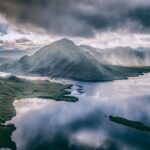
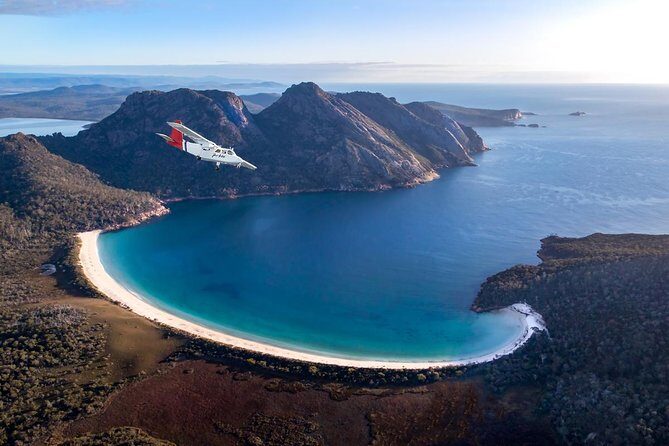
I’m especially impressed by two parts. First, the coast from the air—pink granite mountains and the white-sand curve of Wineglass Bay are the kind of views you struggle to fully grasp from a car window. Second, the Maria Island time has that rare combo of wildlife and big quiet nature, including the chance to spot animals like wallabies, kangaroos, and wombats in their natural setting, plus information about other local residents such as swift parrots and Tasmanian devils.
The main drawback is simple: with a half-day format, your feet time on Maria Island is limited. If you’re hoping for a long, slow island hike, you may feel you want more hours once you’re on the ground.
In This Review
- Key highlights worth aiming for
- Freycinet’s east coast: why the flight is the real headliner
- Landing on Maria Island: nature you can actually slow down in
- How much walking should you expect?
- Fossil Cliffs and shellfish beds: the geology stop that actually sticks
- The picnic lunch: where the tour cashes in
- Who this tour fits best (and who might want a different plan)
- Practical tips to help you have an easy day
- Guide and pilot quality: the human factor you feel fast
- Price and logistics: is it worth $357.90?
- Should you book this Wineglass Bay and Maria Island flight day?
- FAQ
- FAQ
- How long is the Wineglass Bay and Maria Island wildlife scenic flight tour?
- What is the price per person?
- Where do I meet for the tour?
- What time does the tour start?
- What’s included in the tour price?
- Is the national park pass included?
- Does the tour run only in good weather?
- How many people are on the tour?
- Can children participate?
- What wildlife might I see on Maria Island?
Key highlights worth aiming for
- Wineglass Bay from the air: classic white sand and dramatic pink granite visible in one big sweep
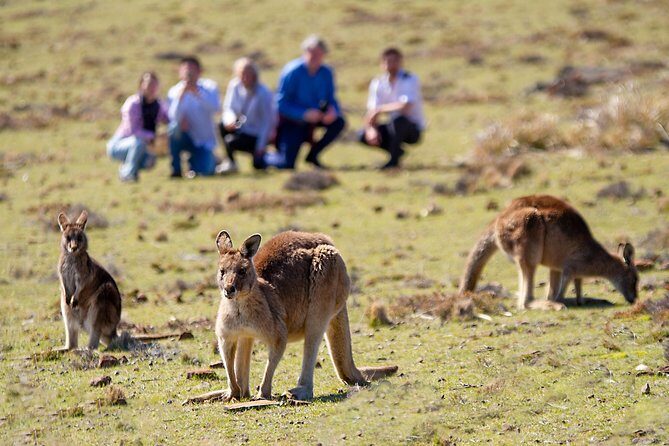
- Maria Island wildlife encounters: you might see wallabies, kangaroos, and wombats close by
- Fossil Cliffs shellfish beds: a hands-on stop that connects the island’s past to its present
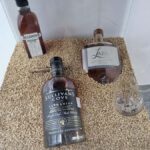
- Tasmanian picnic lunch with wine: local produce paired with a view, not a packed lunch with no energy
- Small group feel (max 22): easier conversation, clearer guidance, and a calmer pace
Freycinet’s east coast: why the flight is the real headliner
This tour is built around one thing: getting above Tasmania’s east coast quickly, in a way you just don’t replicate by road.
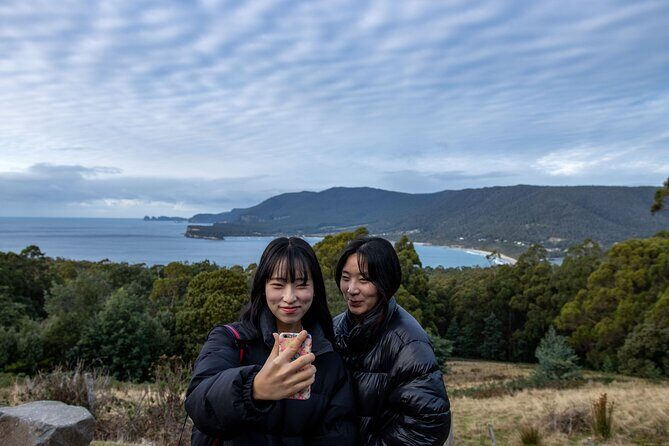
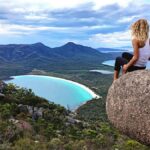
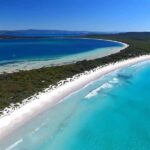
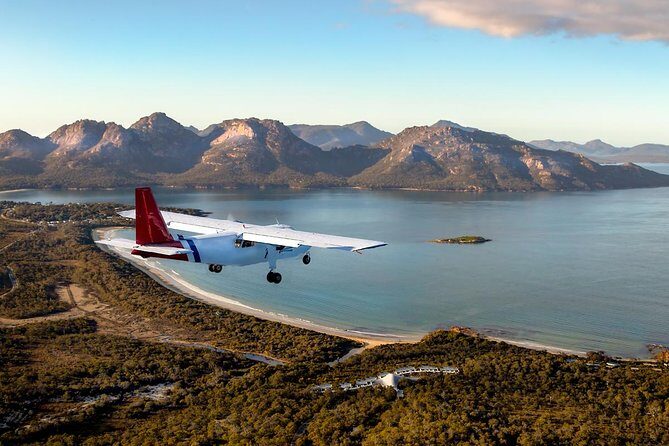
You lift off from Par Avion at 115 Kennedy Dr, Cambridge and head toward the Freycinet Peninsula. Even before you land, you’ll be looking down at the area that made Freycinet famous in the first place: pink granite mountains and, overhead, the signature shape of Wineglass Bay. From the ground, Wineglass Bay is a big hike or a big viewpoint. From the air, it’s immediate. You get the full sweep—coastline, beaches, and the way the headlands slice into the sea—so your later time on Maria Island feels like a continuation of the same natural story, not a separate stop.
The flight experience also matters because the cabin ride is short. At roughly 3 hours total, you’re not committing your whole day to transport. That’s a genuine value play if you’re doing Tasmania in chunks and want one big highlight day that doesn’t swallow your schedule.
And yes, you’ll also get live commentary from the pilot and guide during the flight. In the best moments, that commentary turns what you’re seeing into something with names and meaning—what you’re looking at and why it matters. I especially liked the way pilots used local detail in past experiences, with pilots such as Michael and Jonah earning praise for being professional and informative, and for keeping the flying experience calm and confident.
More Wineglass Bay and Freycinet in Hobart & Tasmania

Landing on Maria Island: nature you can actually slow down in
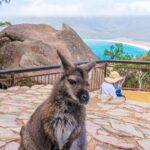
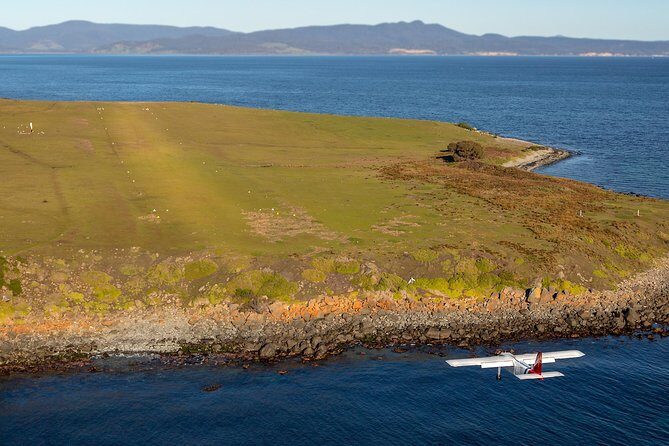
Once you land on Maria Island, the vibe changes fast. The island feels quieter and more “kept” than the more heavily visited parts of Tasmania. You’re not just passing through scenery—you’re stepping into a place that supports native wildlife and a protected marine environment around it.
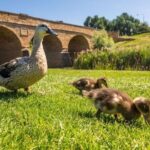
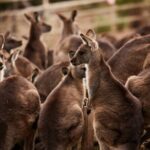
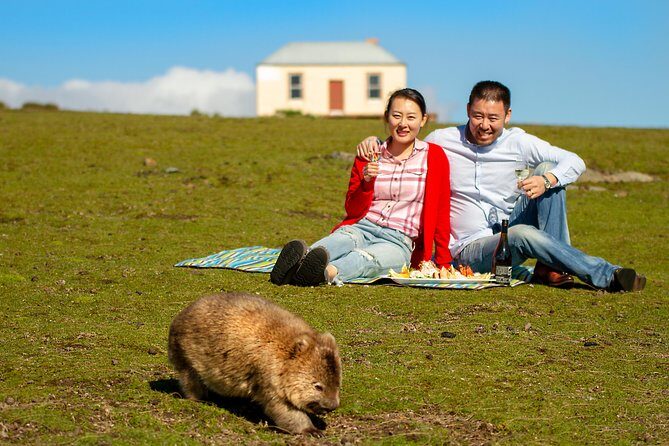
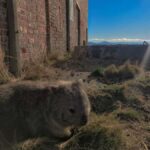
Your guide leads you through the national park area, and this is where Maria Island earns its reputation for wildlife encounters. You’re likely to see animals by chance rather than on a schedule, which is exactly how it should be. In real terms, that has meant sightings like wallabies and kangaroos wandering around, and even wombats spotted during the exploration time. You’ll also learn about Maria Island’s endangered residents, including swift parrots and Tasmanian devils—not as a checklist, but as part of why the island is worth protecting.
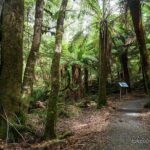
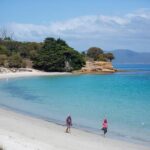
What I like about this portion is that it’s not only animal spotting. It’s also about noticing the island’s older feel—walking through ancient gumtree forests and taking in the way beaches and clear surrounding waters fit into the broader national park. That combination makes it more than a “see wildlife, done” excursion.
How much walking should you expect?
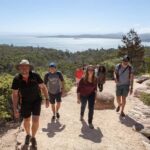
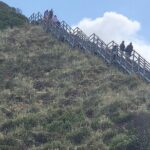
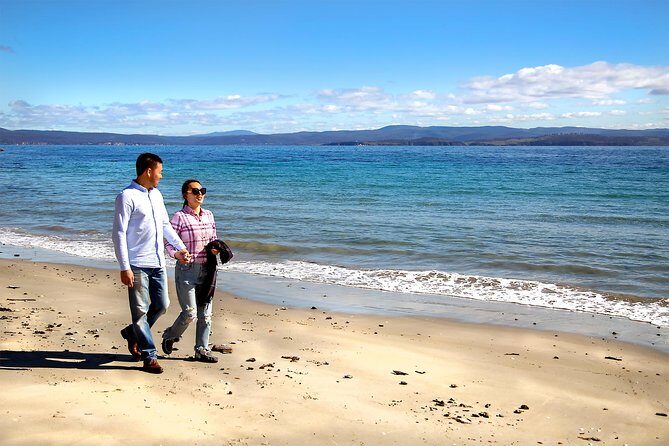
It’s not described as a strenuous hike, and the half-day timing suggests a moderate, guided exploration rather than an all-day trek. Still, you’ll want comfortable enclosed shoes, because you’ll be moving on island terrain that can vary with the weather.
Fossil Cliffs and shellfish beds: the geology stop that actually sticks
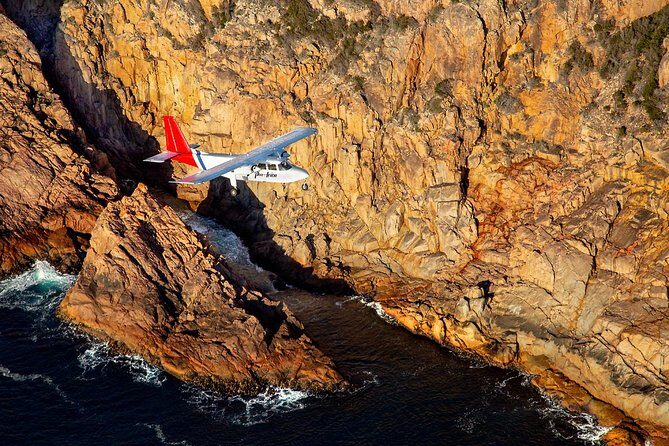
One highlight is the visit to the Fossil Cliffs, where you can admire shellfish fossil beds. This is the kind of stop that could easily be a quick “look and move on” moment—but the way the tour is described makes it more meaningful than that.
Here’s what you get out of this: Maria Island isn’t only about wildlife. It also has deep time layered into the cliffs. When you’re standing somewhere with fossil evidence, it helps you understand the island as a living system shaped by long-term change. You’re not just seeing nature; you’re connecting the present to a much older past.
If you like travel days that include at least one “wow, I didn’t expect that” moment beyond scenery and animals, this fossil stop is a great addition. It breaks up the day so it isn’t only flight views plus wildlife spotting.
The picnic lunch: where the tour cashes in
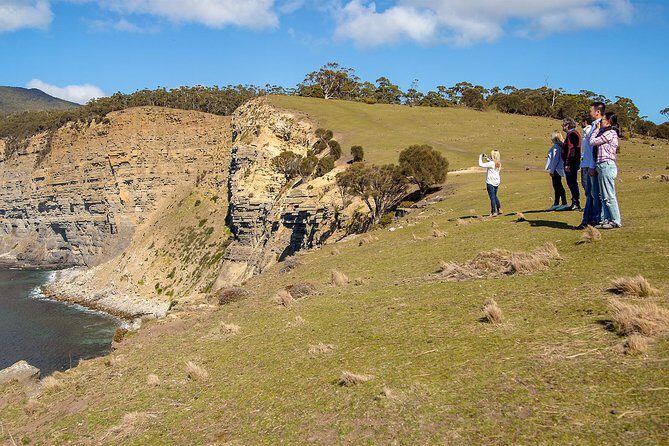
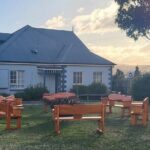
The included lunch of fresh Tasmanian produce is one of the best parts of the package, and it’s not just a token snack. It’s framed as a picnic with Tasmanian wine, served with a view over the northern end of the national park area.
For me, this is where value shows. You’re paying for a flight, but you’re also getting a proper meal that doesn’t feel like compensation for time in a plane. The coffee and/or tea and added snacks help keep energy stable during the walking portion and in-between moments.
One practical note: you’ll want to treat lunch as part of the experience, not a break you rush through. The whole tour is short, so slowing down for the meal gives you time to soak in the island atmosphere rather than just checking boxes.
Also, watch out for the usual “outdoor lunch” factors: dress for weather, bring a hat and sunglasses, and have a coat ready if conditions shift. The tour guidance makes it clear the weather matters.
More Maria Island in Hobart & Tasmania

Who this tour fits best (and who might want a different plan)
This is a strong pick if you’re:
- short on time but want a high-impact Tasmania experience
- excited by flight views and want to see the coast efficiently
- comfortable with a guided, half-day format rather than an all-day hike
- interested in both wildlife and natural history, not only one or the other
It may be less ideal if you:
- want long, independent time on Maria Island (the half-day format limits how far you can go)
- are planning your trip around a very fixed day regardless of weather (this experience requires good weather)
Price-wise, $357.90 per person isn’t cheap for a 3-hour activity. But compared to the cost of simply getting to these areas and then booking separate guided experiences, the package structure helps explain the fee: you’re effectively buying a guided flight experience plus guided exploration plus a proper meal with local wine. It’s a “pay for access and time” kind of tour.
A small group size helps too—up to 22 travelers means you’re less likely to feel like a number.
Practical tips to help you have an easy day
A few things will make your time smoother:
- Check weather expectations before you go. The tour depends on good conditions, and plans can change if conditions are poor. If you’re in Tasmania for only a day or two, consider building flexibility.
- Dress like you might need layers. They specifically call for a hat, sunglasses, enclosed shoes, and a coat. That’s good advice in coastal, changeable conditions.
- Have your national park pass ready. It’s not included, and it’s listed as A$47.75 per person. Plan on paying this separately so it doesn’t surprise you at the last moment.
- Bring your patience for nature. Wildlife encounters are part of the charm, but they aren’t scheduled. The best mindset is calm attention rather than frantic searching.
- Arrive on time at Cambridge. The meeting point is Par Avion at 115 Kennedy Dr and the start time is 11:00 am. With a flight-based schedule, being early is smarter than being hopeful.
Guide and pilot quality: the human factor you feel fast
In experiences like this, the guide and pilot can make or break your day. From the way the flight and on-island time is structured, you’ll want someone who can keep things organized, explain what you’re seeing, and fly smoothly.
Real examples from past trips highlight pilots like Michael and Jonah for being informative and professional, and for smooth landings on Maria Island. Other feedback praises guides such as Alex, especially for calm, confidence-building leadership and for making the wildlife portion feel safe and well handled.
That matters because you’re combining flight, walking, and outdoor meal time. When the team runs smoothly, you spend less mental energy worrying and more mental energy looking at the coast, the fossils, and the animals.
Price and logistics: is it worth $357.90?
Let’s be honest: you’re paying for a flight between two of Tasmania’s most iconic natural areas. You’re also paying for guidance, narration, and a full lunch with Tasmanian wine, plus snacks and coffee/tea.
What helps the value is what’s included:
- flight with live commentary
- lunch and Tasmanian wine
- snacks and coffee/tea
- a professional guide and guided exploration
- admission ticket for the Maria Island land component is listed as free
What adds cost:
- a separate national park pass at A$47.75 per person (not included)
The practical value equation for me is this: if you want Wineglass Bay and Maria Island in one short day, and you want it guided and supported, this package is a reasonable way to buy time. If you’d rather travel slowly by road and spend more hours on your own, you can probably do a cheaper trip—but it won’t compress the views and wildlife into one tight half-day.
Also, this tour gets booked early on average (about 218 days in advance). If you’re traveling during a busy season or on a popular date, booking ahead is a smart move so you don’t end up staring at a sold-out calendar.
Should you book this Wineglass Bay and Maria Island flight day?
I’d book it if you want a one-day Tasmania highlight that mixes iconic aerial coastline, wildlife on Maria Island, and at least one natural-history moment at Fossil Cliffs—and you’re okay with weather affecting timing.
Don’t book it (or at least consider your alternatives) if:
- you only have one rigid day and no flexibility for weather changes
- you want a long island hike and lots of unstructured time
If you’re the kind of traveler who likes your days to be efficient but still feel genuine, this is a strong choice. You’re paying to see a lot in a short window, and the best part is you also get the meal and the guided interpretation to slow you down once you’re there.
FAQ
FAQ
How long is the Wineglass Bay and Maria Island wildlife scenic flight tour?
It runs for about 3 hours.
What is the price per person?
The price is $357.90 per person.
Where do I meet for the tour?
You meet at Par Avion, 115 Kennedy Dr, Cambridge TAS 7170, Australia.
What time does the tour start?
The start time is 11:00 am.
What’s included in the tour price?
Included items are lunch and Tasmanian wine, live commentary on board, a local professional guide, snacks, and coffee and/or tea.
Is the national park pass included?
No. The National Park Pass is not included and is listed as A$47.75 per person.
Does the tour run only in good weather?
Yes. The experience requires good weather.
How many people are on the tour?
The tour has a maximum of 22 travelers.
Can children participate?
Yes, but children must be accompanied by an adult.
What wildlife might I see on Maria Island?
You’ll learn about Maria Island’s wildlife, including wombats, swift parrots, and Tasmanian devils. The experience also includes the possibility of seeing animals such as wallabies and kangaroos while exploring the island.