REVIEW · HOBART
Hobart: 2.5-hour Iron Pot Lighthouse Cruise
Book on GetYourGuide →Operated by Pennicott Wilderness Journeys · Bookable on GetYourGuide
Lighthouses feel closer on this small boat. You get the Iron Pot Lighthouse stop plus Betsey Island wildlife, all from a small group on a comfortable enclosed vessel. I especially like the way the captain/guide keeps the cruise lively with stories and clear spotting tips.
One thing to plan for: conditions can turn a bit rough. Expect wind and swell at spots like Hope Beach, so dress for the weather and be ready for a bumpy ride if the day runs that way.
In This Review
- Key highlights you’ll remember
- A 2.5-hour cruise that makes Hobart feel bigger
- Boarding and comfort: what small-group boat time feels like
- Derwent River highlights: Battery Point, Wrest Point, Shot Tower, Mount Wellington
- Iron Pot Lighthouse: Australia’s oldest lighthouse stop
- Storm Bay and Betsey Island: seabirds, caves, and close coastline
- Hope Beach: isolated surf vibes and the Southern Ocean swell
- What to wear and how to handle wind and motion
- Price and value: what $102 gets you in Hobart time
- Who this cruise suits best (and who might want a different plan)
- Should you book the Hobart Iron Pot Lighthouse Cruise?
- FAQ
- How long is the Hobart Iron Pot Lighthouse cruise?
- How much does the cruise cost?
- Where do I meet for the tour?
- What size group is this tour?
- Is there a live guide?
- What should I bring?
- Is there a minimum age for the tour?
- Do tours run every day?
- Can I pay later?
- What if my plans change?
Key highlights you’ll remember
- Iron Pot Lighthouse plus early Hobart settlement stories
- Derwent River landmarks like Battery Point, Wrest Point Casino, the Shot Tower, and Mount Wellington views
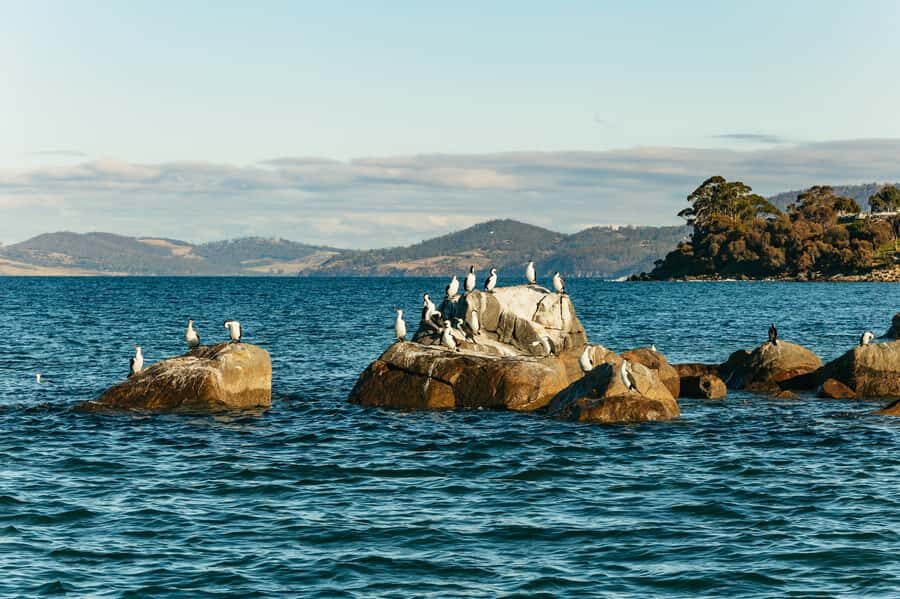
- Betsey Island seabirds, including gulls, cormorants, and the white-bellied sea eagle
- Caves and secluded beaches, with the boat getting close for photos
- Small groups (up to 14) in a spacious enclosed cabin
A 2.5-hour cruise that makes Hobart feel bigger
This is the kind of Hobart experience that fits neatly into a half-day, but still gives you a full sense of place. From Dock Head at Franklin Wharf, you head down the Derwent River, then swing into Storm Bay for a lighthouse visit and a circumnavigation of Betsey Island.
What makes it work so well is the mix of views and explanations. You’re not just “on a boat.” You’re watching landmarks slide past, then getting guided context for why the coast looks the way it does and how people used these waterways long before you arrived.
I also like that the cruise is built around short, high-impact stops. You’ll see the lighthouse up close, cruise the island perimeter for seabirds, and pass sheltered-looking coves and caves where you can get great angles for photos.
More harbour and Derwent River in Hobart & Tasmania
Boarding and comfort: what small-group boat time feels like
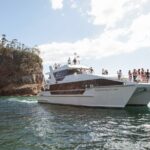
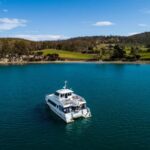
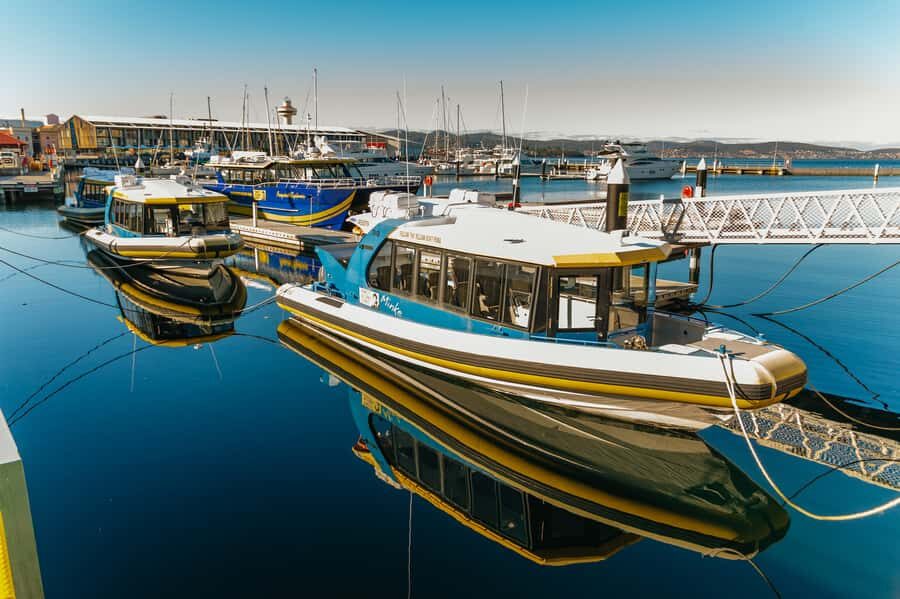
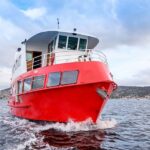
The vessel is set up for comfort, not cramped sightseeing. You’ll be in a spacious enclosed cabin with comfortable leather seating, and you get large awning windows so you can actually see what the guide is pointing out. That matters on a windy day because you can keep enjoying the scenery without constantly going in and out.
The group size is capped at up to 14 passengers, which keeps the vibe casual and personal. It’s easier to hear the guide, and you’re not stuck behind a wall of people during photo moments.
Because this is a cruise rather than a long coach trip, the motion tends to feel like part of the experience. If you’re sensitive to it, pick your seat carefully and bring a layer you can adjust fast. (More on what to wear later.)
Derwent River highlights: Battery Point, Wrest Point, Shot Tower, Mount Wellington
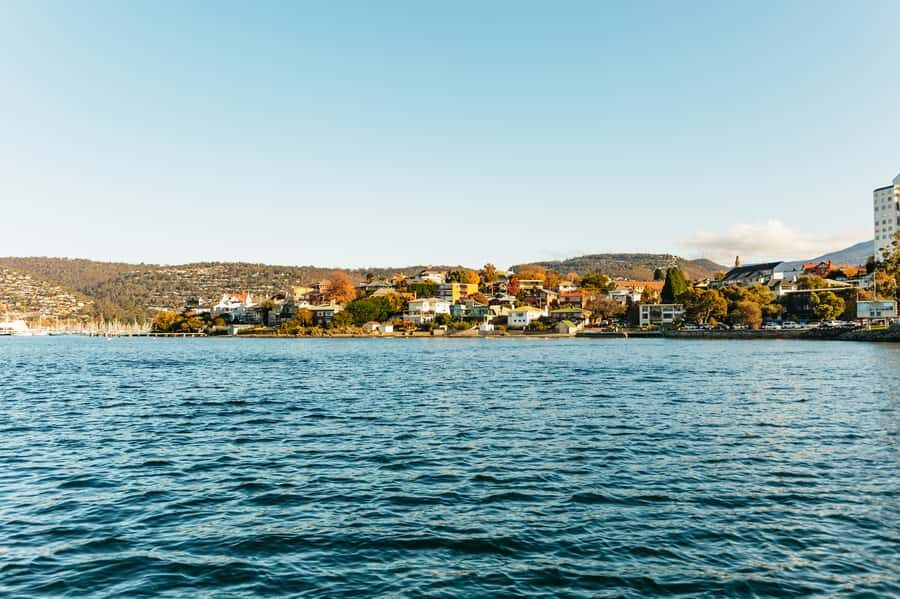
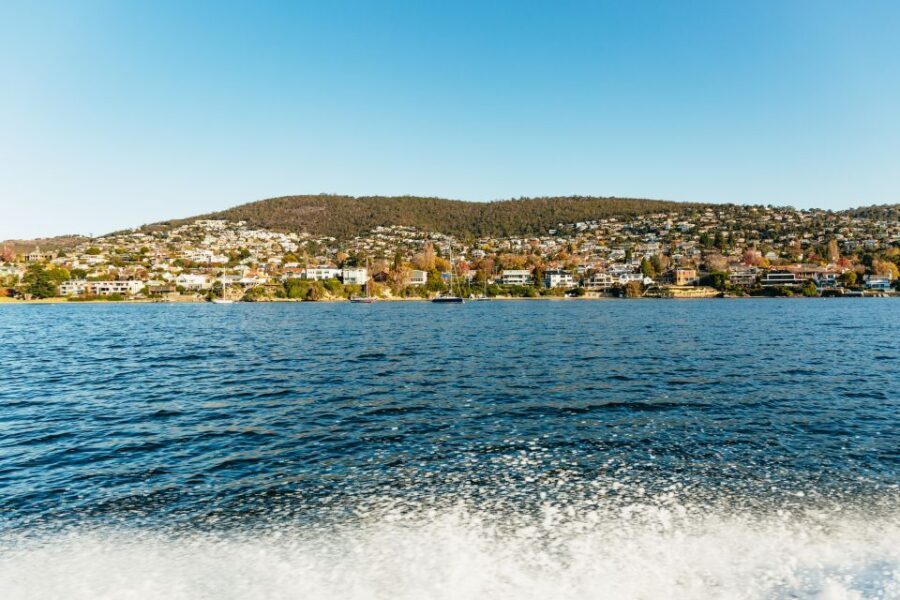
A big chunk of the magic happens before the lighthouse—during the ride down the Derwent River. You’ll pass Battery Point, now known for premium residential streetscape views. It’s a good early “orientation” stop: you start seeing how Hobart’s waterfront shapes daily life.
Then the boat keeps threading past famous land markers. You’ll get views of the Wrest Point Casino and the Shot Tower, both of which help anchor the cruise in real Hobart geography—not just open water.
As you move further along, the scale of Mount Wellington becomes the visual headline. Even if you’ve seen it from land, it hits differently from the river. You get that sense of the city being framed by steep terrain, with the harbour acting like a gateway between land and sea.
This stretch is also where the guide’s commentary can add a lot. The best moments come when they connect landmarks to waterways—where ships would have moved, how the coastline offers protection or exposes it to weather, and why certain bays matter.
Iron Pot Lighthouse: Australia’s oldest lighthouse stop
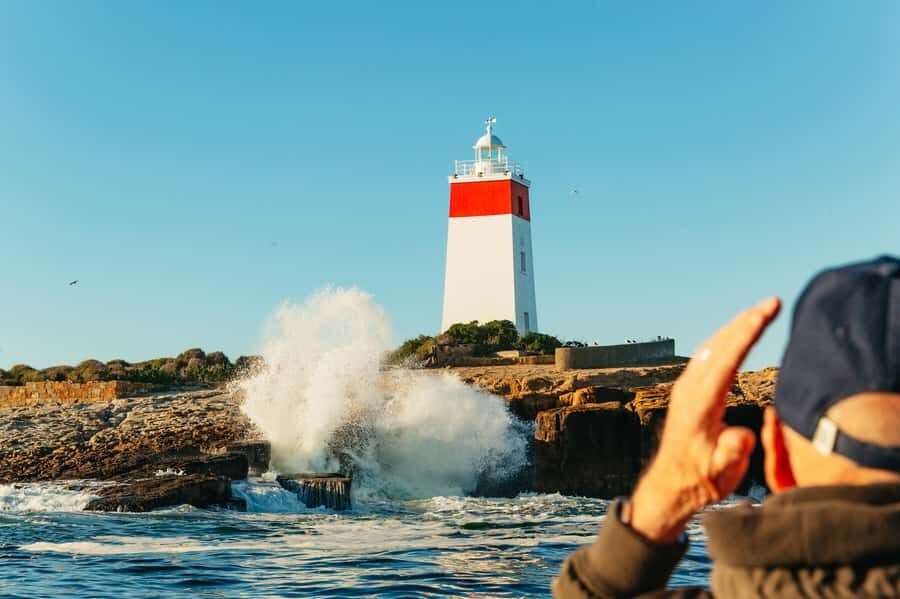
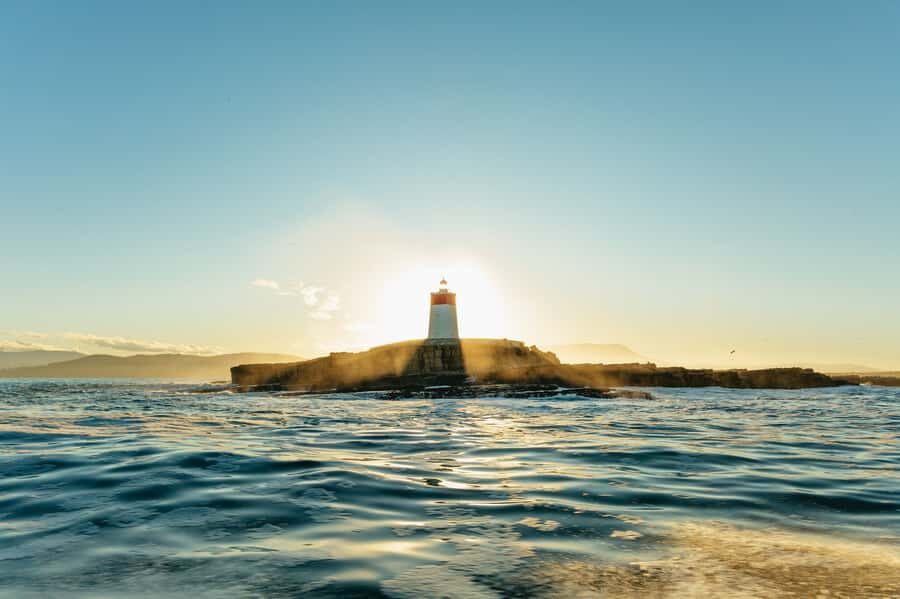
This is the signature moment. You arrive at the Iron Pot, described as Australia’s oldest lighthouse, and the guide shares stories about Hobart’s early settlement. That lighthouse stop isn’t presented like trivia. It’s tied to the job the lighthouse had to do: helping people make sense of rocky coastlines and changing conditions.
What I like about this kind of stop is that it turns a landmark into a timeline. You’re out there on the water, so the explanation feels grounded. The lighthouse isn’t just standing there. It’s part of a system of navigation and survival.
Depending on your day, you might hear different styles of storytelling. Captains/guides seen on past departures include names like Hugh and Tom, and they tend to keep the talk moving—clear, friendly, and often with a bit of humour that keeps it from turning into a lecture. If you enjoy history but you don’t want it to feel heavy, this works.
Storm Bay and Betsey Island: seabirds, caves, and close coastline
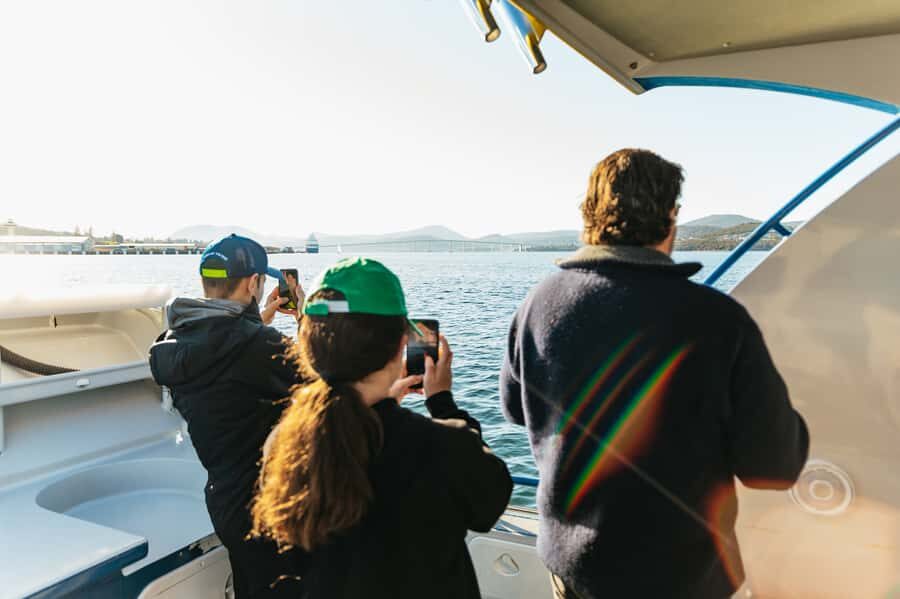
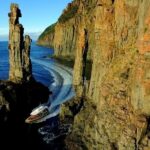
After the lighthouse, you head into Storm Bay. This is where the scenery changes from “harbour landmark viewing” to “wild coast.” The cruise reaches Betsey Island, an uninhabited island set up perfectly for birdlife.
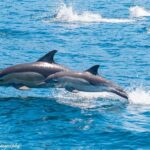
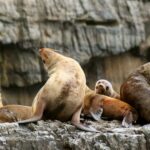
The island circumnavigation is a highlight because you’re moving at the pace needed to spot wildlife. You can expect hundreds of sea birds, including gulls and cormorants, plus the chance to see the white-bellied sea eagle. Even on a calm day, birds can be active and noisy, and the guide’s spotting tips help you find them without stopping the cruise every time.
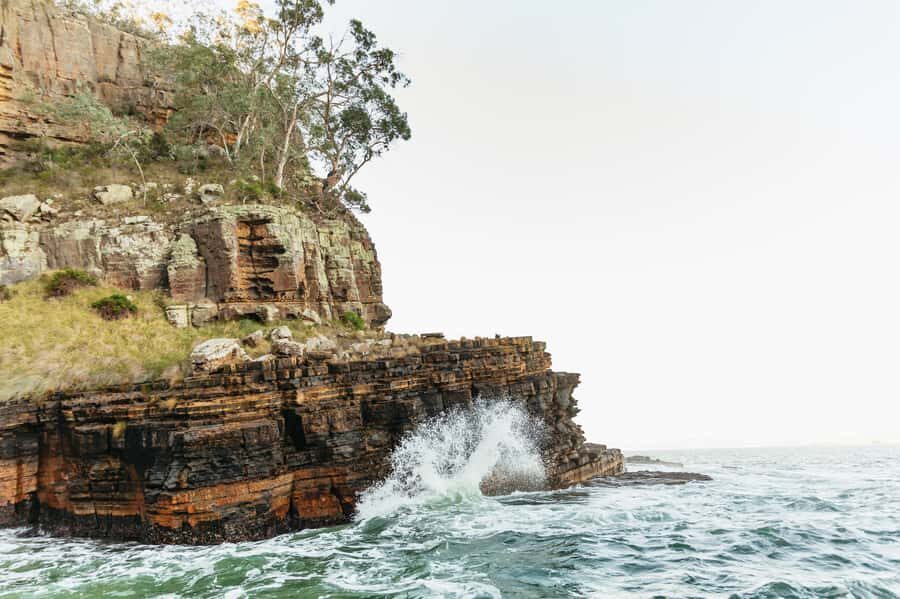
You’ll also get coastal time that goes beyond the obvious postcard view. The itinerary includes caves and secluded beaches, with the boat cruising close enough for you to feel the shape of the shoreline. If you care about rock formations and small coves, this part delivers.
There’s also a practical side to these stops: short, targeted coastline cruising beats long stretches of “we’re going there” when you only have 2.5 hours. You keep getting a reason to look out the window.
Other boat tours in Hobart
Hope Beach: isolated surf vibes and the Southern Ocean swell
As you circumnavigate Betsey Island, Hope Beach comes into view. It’s known for large breaks and for offshore winds—conditions that locals look for, especially because it becomes a favourite spot for surfers.
From the boat, you don’t just see the beach—you feel the ocean attitude. Cruising close enough to the shore lets you experience the swell surging straight from the Southern Ocean. That’s also why the ride can feel bumpier here if weather lines up that way.
If you’re a photo person, this is a good moment for getting shots where the ocean texture is visible: spray, wind line patterns, and the contrast between sheltered-looking rock and exposed water. Just keep your camera secure and protect it from mist. The best photos often come from steady framing, not frantic snapping.
What to wear and how to handle wind and motion
This cruise runs on real water conditions, so you’ll want to dress for that. You should dress to the conditions, wear comfortable shoes, and bring a camera you can access quickly.
If it’s breezy, the enclosed cabin helps a lot. Still, you’ll feel the boat’s movement through the ride, especially near spots that are open to the Southern Ocean. One passenger-sense trick: keep layers easy to adjust (a warm top and a wind layer are ideal), and avoid bulky items that steal shoulder room when you’re turning to look at the windows.
If you’re prone to motion sickness, you’ll likely do better when you sit toward the middle of the cabin and keep your gaze on the horizon when the boat changes speed around coastline points. The ride can be “exhilarating,” but it shouldn’t be miserable.
Price and value: what $102 gets you in Hobart time
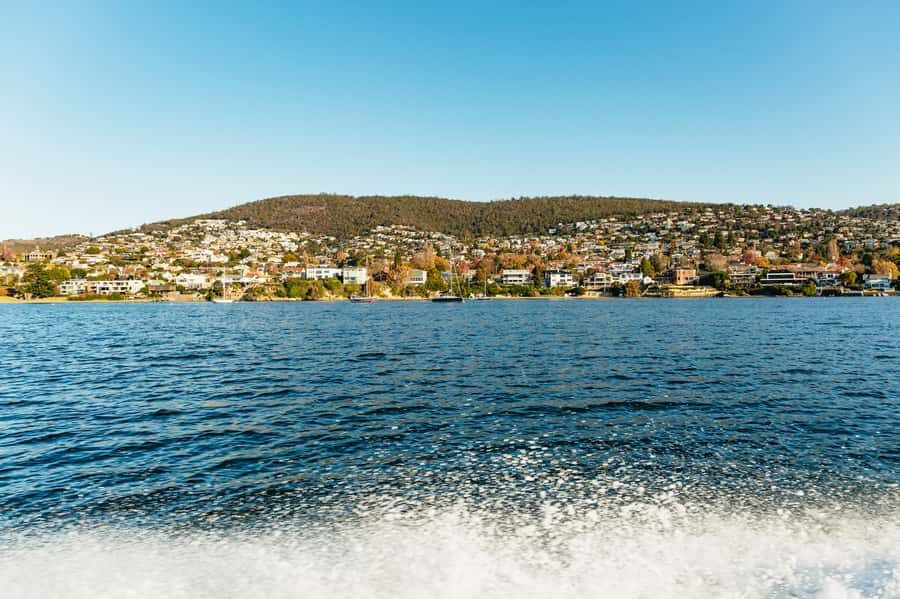
At $102 per person for 150 minutes, you’re paying for three things at once: a guided small-group boat ride, premium time on the water in the Hobart region, and the specific “big ticket” sights—Iron Pot Lighthouse and Betsey Island.
What makes it good value is the efficiency. You’re getting harbour landmarks on the way out, then real wildlife and coastline cruising on the way south. In other words, the tour doesn’t waste your minutes on low-payoff transit.
Also, small group size matters for value. Up to 14 passengers means you spend less time fighting for space and more time actually seeing what the guide is talking about. The enclosed cabin with big windows makes the experience comfortable even when the weather turns.
If you only have one afternoon in Hobart and you want something that feels distinctly Tasmanian—not just another walking loop—this is a strong use of time.
Who this cruise suits best (and who might want a different plan)
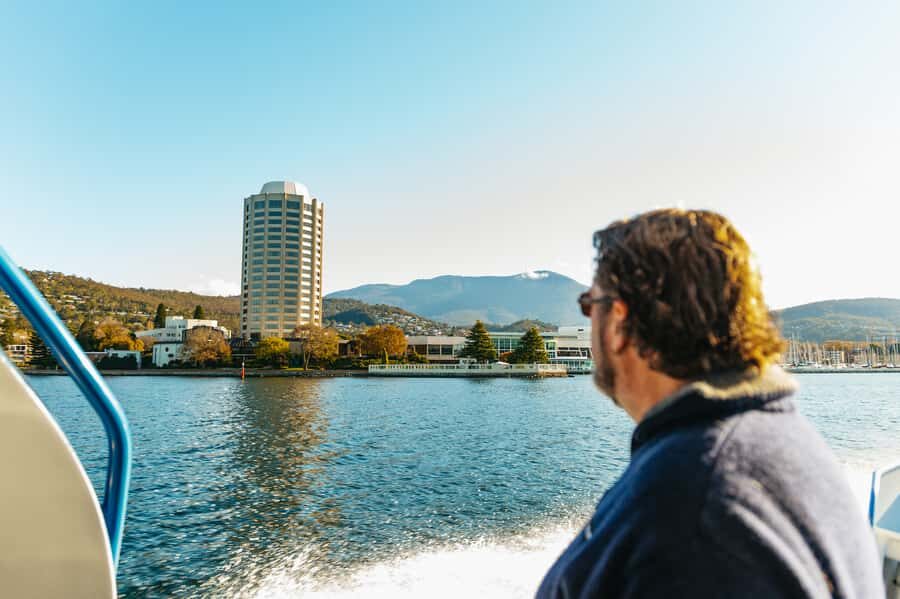
This is a great fit for people who:
- Want wildlife viewing without booking a full day
- Love lighthouses, coastlines, and coastal geology
- Prefer small-group guidance over audio-only tours
- Enjoy a mix of landmarks and nature within one outing
It can be less ideal if you’re set on a totally smooth, calm ride. Because the itinerary includes exposed-water cruising and spots like Hope Beach where offshore winds can kick up swell, the boat may feel choppy on certain days.
If you’re traveling with kids, the structure tends to work well: there’s always something to spot—birds, landforms, lighthouses, and changing shoreline angles. And guides on past departures have kept it interactive, with commentary that stays friendly from young to “young at heart.”
Should you book the Hobart Iron Pot Lighthouse Cruise?
If you like your Hobart experiences to feel like real sea time—lighthouse up close, birds on Betsey Island, and coast scenery you can’t replicate from land—then yes, book it. This cruise earns its price by stacking multiple “you’re really there” moments into a manageable 2.5-hour window.
I’d especially recommend it if:
- You want a guided tour that keeps moving and doesn’t feel rushed
- You care about seeing Hobart’s waterfront plus the wild edge beyond it
- You prefer small groups where you can hear the guide and see through the windows
FAQ
How long is the Hobart Iron Pot Lighthouse cruise?
The cruise lasts 150 minutes, about 2.5 hours.
How much does the cruise cost?
The price is $102 per person.
Where do I meet for the tour?
You meet at Dock Head Building, Franklin Wharf, Hobart.
What size group is this tour?
The cruise runs in a small group of up to 14 passengers.
Is there a live guide?
Yes. You’ll have a live tour guide in English.
What should I bring?
Bring comfortable shoes. Also dress to the conditions and remember your camera.
Is there a minimum age for the tour?
No minimum age is listed.
Do tours run every day?
Yes. Tours depart daily.
Can I pay later?
Yes. There’s a reserve now & pay later option.
What if my plans change?
You can cancel up to 24 hours in advance for a full refund.