REVIEW · HOBART
Hobart Sightseeing Cruise including Iron Pot Lighthouse
Book on Viator →Operated by Pennicott Wilderness Journeys · Bookable on Viator
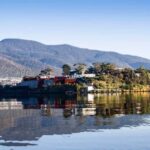
Hobart looks different from the water. I love how this Iron Pot Lighthouse cruise takes you right to the mouth of the Derwent, with great chances to photograph Mt Wellington from a moving boat. It’s a short outing, but it feels like you’re seeing the real working edges of Tasmania’s capital.
I also like the small-group limit of 12, which keeps the guide’s talk personal and your photo stops unhurried. You get maritime history in plain language, plus wildlife-watching time at the places where sea birds actually hang out.
One thing to plan for: the operator may swap your vessel on the day for a different boat size/enclosure, so your comfort and sightlines might not match what you expected.
In This Review
- Key things to know before you go
- A River Derwent cruise with maritime stories you can feel
- Franklin Wharf start: quick check-in and a comfortable ride setup
- Shot Tower, Wrest Point, Battery Point: seeing Hobart’s harbor in context
- Iron Pot Lighthouse (1832): why this is more than a photo stop
- Storm Bay and Betsey Island: seabirds, sea caves, and a surf-coast view
- What the boat setup really means for comfort and sightlines
- Time on the water: 2.5 hours that work like a taste test
- Price and value: is $104 worth it?
- Who should book this Hobart cruise?
- Should you book Hobart Sightseeing Cruise including Iron Pot Lighthouse?
- FAQ
- How long is the Hobart cruise?
- Where do I meet for the tour?
- Is this a small-group tour?
- What’s included and what’s not?
- Do I need hotel pickup?
- What should I wear for the cruise?
- What if the weather is bad?
Key things to know before you go
- Iron Pot Lighthouse at the Derwent mouth: learn why 1832 shipwrecks shaped this coastline
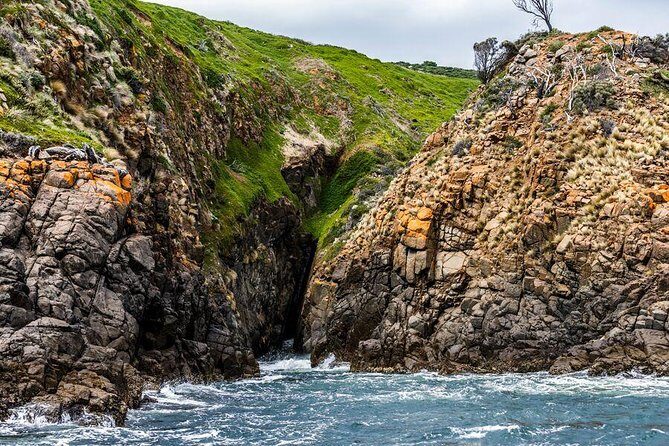
- Storm Bay + Betsey Island circumnavigation: sea caves and seabirds, plus a better look at the surf coast
- Sydney to Hobart Yacht Race connection: you’ll cruise the same waters tied to the event’s final leg
- Small group feel (up to 12–14): easier questions, better pacing, and less crowding on deck
- Photo-friendly boat setup: large windows and forward seating help you shoot Mount Wellington and the harbor
A River Derwent cruise with maritime stories you can feel
If you’ve only seen Hobart from the shore, this cruise changes the “where am I?” part fast. From Franklin Wharf you slide into the River Derwent, then move out toward Storm Bay, where the air gets saltier and the water does what it’s supposed to do: move.
What makes this cruise worth your time is the mix of big views and specific local details. You’ll pass recognizable spots like Battery Point, Wrest Point Casino, and the Shot Tower, then turn your attention to places with names that matter—like Iron Pot and Betsey Island—where the guide connects coastline changes to ships, settlers, and navigation.
The boat ride is also a nice break from driving. You’re not bouncing between viewpoints. You’re reading the coast as it comes to you.
More Hobart sightseeing in Hobart & Tasmania
Franklin Wharf start: quick check-in and a comfortable ride setup
The experience starts at Pennicott Wilderness Journeys at the Dock Head Building, Franklin Wharf. You’ll meet your guide, then walk over to the jetty together to board.
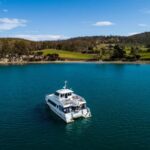
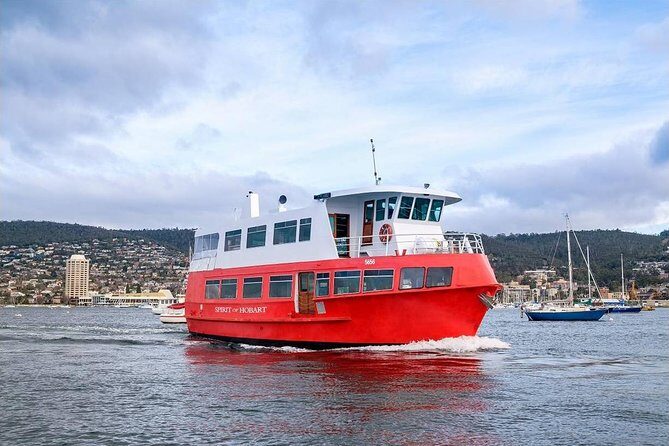
On most days, you can expect a custom-built motorboat with leather seats and an enclosed cabin with large windows. There are 12 forward-facing seats and 2 rear bench seats, so you’re not stuck watching everyone else through a gap in the railing.
A practical tip: even if it’s sunny at the dock, wind out in Storm Bay can cool you down quickly. A review also notes blankets for cooler weather, so bring a warm layer anyway. Think windbreaker plus something that won’t be miserable if you get a bit wet from spray.
Shot Tower, Wrest Point, Battery Point: seeing Hobart’s harbor in context
Once you head downriver, the guide’s narration gives the shoreline a “why” to match the “wow.”
You’ll cruise past:
- Battery Point, where the early character of Hobart shows up along the waterfront
- Wrest Point Casino, a modern landmark that helps you anchor where you are on the harbor
- the Shot Tower (about 49 meters / 160 feet), one of those Hobart structures that looks like it belongs to a different era
This portion matters because it’s not just sightseeing. It’s setting the stage for the navigation story you’ll hear next. The Derwent mouth and Storm Bay weren’t just scenery; they were the route for ships coming and going, and sometimes, sadly, the place where trouble found them.
Iron Pot Lighthouse (1832): why this is more than a photo stop
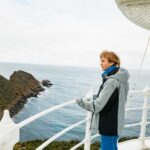
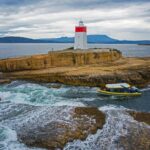
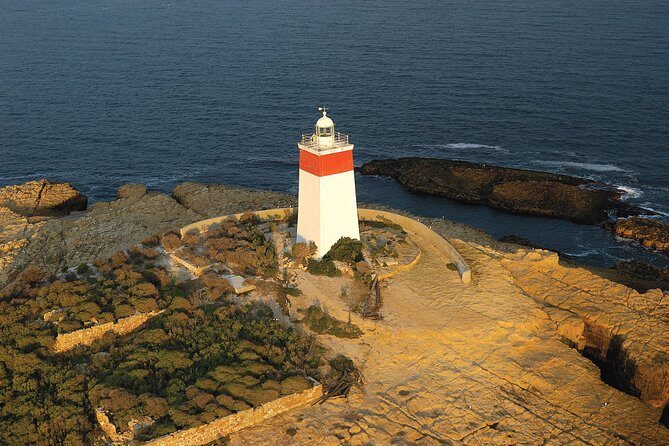
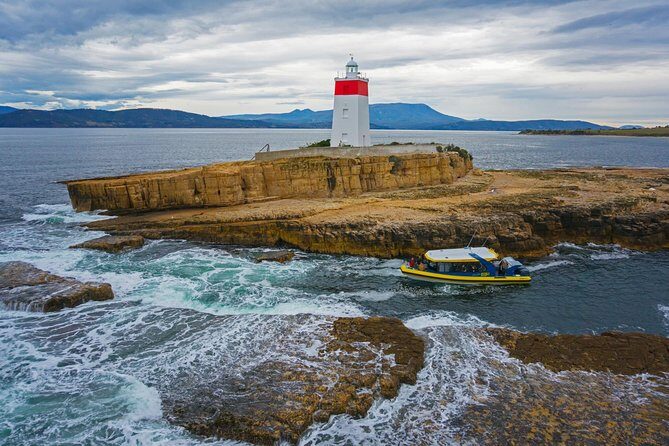
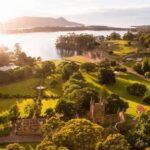
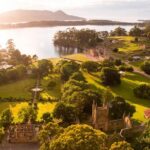
The star of the trip is Iron Pot Lighthouse, positioned on a small rock island guarding the entrance to Storm Bay. This lighthouse was constructed in 1832, after several shipwrecks in these waters.
That detail changes how you see it. From the boat, it’s easy to frame as a classic lighthouse shot, but the guide’s explanation makes it feel like a tool—built for timing, visibility, and survival. You’ll learn about lighthouse keepers and their families, and you’ll hear how life and work connected to the sea long before modern navigation.
You’re also tied into a living tradition here: Iron Pot is the final turn of the famous Sydney to Hobart Yacht Race. Even if you’re not a race fan, it’s a fun way to understand how the same coastline still shapes modern sailing routes.
And yes, you’ll get a real look from the water. If you care about photos, this is where the light and angle usually cooperate, because you’re not shooting from far away across land.
Storm Bay and Betsey Island: seabirds, sea caves, and a surf-coast view

After Iron Pot, the cruise heads into Storm Bay, and your route takes you toward Betsey Island, which is uninhabited.
This is where the tour shifts from “history and landmarks” into “nature and motion.”
You’ll:
- circumnavigate Betsey Island
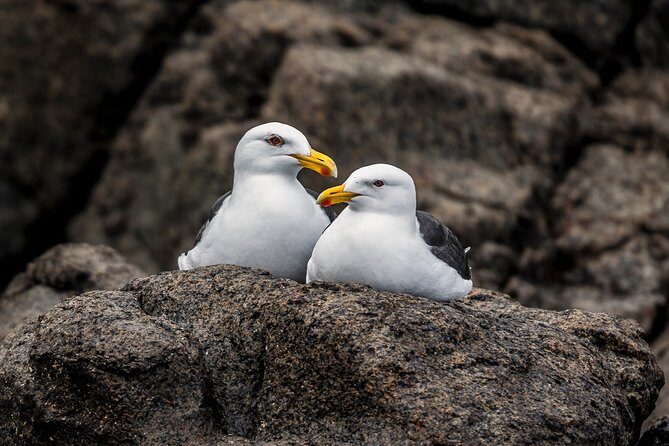
- search for white-bellied sea eagles and other marine birds
- get a view of Hope Beach, known for offshore winds and bigger breaks that make it a popular surf spot
- spend time where you can notice sea caves along the coast
Wildlife spotting is one of the big reasons people love this kind of cruise. Based on past trips, you might see seals (including long-nosed fur seals) and sometimes whales or dolphins, but it’s always a “could happen” situation, not a guarantee. The good part is that the guide keeps scanning and adjusts the boat’s focus when wildlife appears.
Tip for photos: sea birds move fast. Use burst mode if you have a phone that supports it, and keep your hands steady when the boat tilts. The enclosed cabin helps for shelter, but you’ll likely still want open views when birds are working the air.
More harbour and Derwent River in Hobart & Tasmania
What the boat setup really means for comfort and sightlines

Small details matter on a cruise, and this one has two “versions” you should know about.
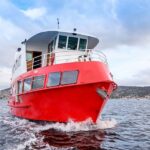
Normally, the boat is described as a rigid inflatable style with enclosure on three sides and up to 14 guests. That setup can feel sporty and close to the water. You still get shelter, but you feel the movement.
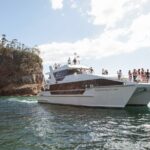
In at least some cases, the operator uses a larger enclosed catamaran with more capacity. One past guest noted it had full walkaround capacity and felt different from what they expected at booking time. If that happens to you, your experience may feel more spacious and less like you’re tucked in under an enclosure.
So how should you plan?
- If you hate surprises, assume the vessel could differ.
- If you care most about seeing the water, either boat style can work, since you’re moving through the same key areas: Derwent, Iron Pot, and Storm Bay.
Either way, the boat ride is the point. This is a “coast from water” cruise, not a shore-walk tour where you stretch your legs for long.
Time on the water: 2.5 hours that work like a taste test
The duration is around 2 hours 30 minutes. That’s a sweet spot for Hobart, especially if you’ve only got a day or you’re trying to avoid stacking too many activities.
You’re not rushed in the sense of stop-and-go hopping from place to place. Instead, you get a continuous route, with narrative stops tied to visible landmarks. It’s a nice pace for:
- people who want big scenery without a long day
- couples or friends who like conversation and shared viewing
- anyone who prefers learning from the guide while actually seeing the coastline
One possible downside is that this cruise is more sit-and-watch than active climbing or walking. If you’re a solo traveler who wants nonstop movement, you might feel it’s a calmer experience than you expected. For many people, that’s the charm. For others, it’s just still.
Price and value: is $104 worth it?
At $104 per person, you’re paying for a guided small-group boat ride that includes the cruise and local interpretation.
The value comes from three things that are hard to replicate cheaply:
- Route + access: you’re taking in the Derwent mouth and Storm Bay from the water
- Iron Pot Lighthouse: a specific, historic destination with context tied to shipwrecks and the yacht race
- Small group: a limit around 12 (up to 12–14) usually means the guide can keep track of questions and sightlines
What’s not included is food and drinks. So if you’re planning a full-day schedule, treat this like a “sweet spot” activity and then eat before or after.
For me, the best way to judge value is simple: if Hobart from the water appeals to you, the price is reasonable. If you’re only hunting for a quick landmark photo, you might be happier with a shorter, cheaper option. But if you want the lighthouse story plus wildlife time, this fits the bill.
Who should book this Hobart cruise?
This tour is a strong match if you:
- want a guided boat experience without major physical effort
- care about maritime history in a way that connects to what you see
- want the best chance at sea eagles and seabirds in a focused route
- like small-group tours with room to ask questions
It’s also a great choice for cruise-ship passengers with limited time in port, since the activity starts at Franklin Wharf and loops back there.
If you’re traveling with kids, it can work well too, since you can see iconic places without searching for parking or managing multiple stops. Just dress for wind and expect that most of the fun is watching out at the water.
Should you book Hobart Sightseeing Cruise including Iron Pot Lighthouse?
If you want a practical “best-of Hobart coast” outing, I’d book it. It’s one of the few experiences that pairs iconic views with a story tied to the coastline’s real purpose: guiding ships and surviving weather.
Book it if Iron Pot Lighthouse appeals to you, and if you like the idea of Storm Bay wildlife viewing from a route that also connects to the Sydney to Hobart Yacht Race.
I’d think twice if you need lots of walking time or if you’re very sensitive to day-of operational changes like vessel type. And if the weather turns ugly, the operator may cancel due to poor conditions, offering a different date or a refund.
FAQ
How long is the Hobart cruise?
The cruise runs for about 2 hours 30 minutes.
Where do I meet for the tour?
Meet at Pennicott Wilderness Journeys Dock Head Building, Franklin Wharf, Hobart TAS 7000. The tour ends back at the meeting point.
Is this a small-group tour?
Yes. The tour is limited to about 12 people, with a maximum noted around 12–14.
What’s included and what’s not?
The cruise and a local guide are included. Food and drinks are not included.
Do I need hotel pickup?
No hotel pickup and drop-off is included.
What should I wear for the cruise?
Dress appropriately for the weather. The activity operates in all weather conditions, so bring layers and expect wind on the water.
What if the weather is bad?
This experience requires good weather. If it’s canceled due to poor weather, you’ll be offered a different date or a full refund.