REVIEW · HOBART
Hobart: Waterfalls, Wilderness & Wildlife – Active Day Tour
Book on Viator →Operated by Tours Tasmania · Bookable on Viator
12 hours, waterfalls, devils, and big-tree walks. This active day trip layers national park walks, wildlife encounters at Bonorong, and a final viewpoint on kunanyi/Mt Wellington—all without you needing to plan the logistics yourself. You’ll leave the city early, follow an efficient route, and come back with a strong feel for Southern Tasmania in one long day.
I love how straightforward the value is: admission fees are included (national park and wildlife), and you get professional guiding with interpretive walks. I also like the human scale, with a maximum group size of 20, which makes it easier to hear the guide and keep track on the move.
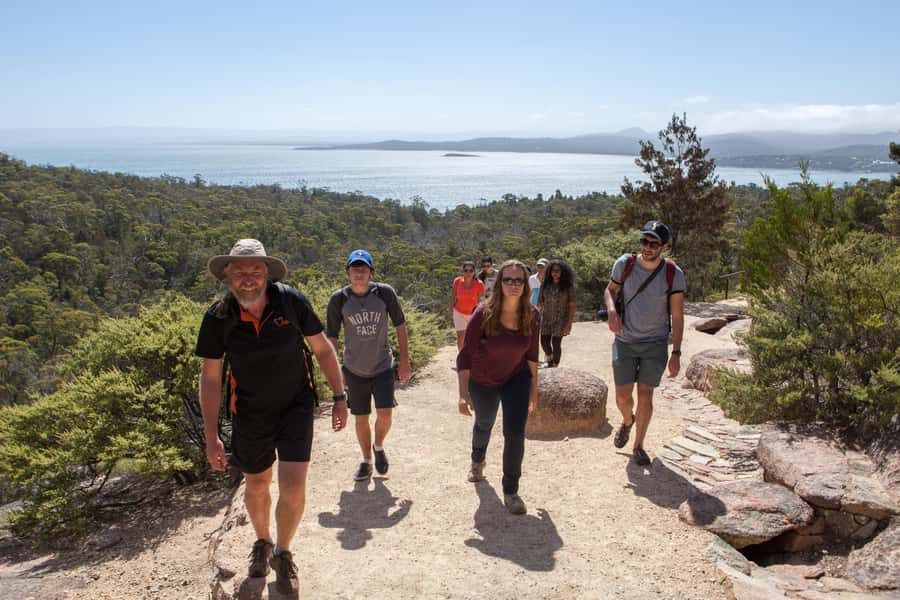
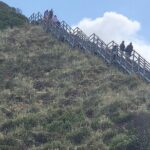
One thing to consider: this is not a sit-and-sightsee day. Expect stairs and an intense uphill moment—reviews point to a final climb with around 400 steps straight uphill—so bring footwear with grip and don’t treat this as an easy stroll.
In This Review
- Key highlights to look for
- Value and the real promise of this $132.69 day tour
- The schedule: why an early start matters (and how it feels)
- Mount Field National Park: giant trees and a real sense of Tasmania
- Russell Falls and Horseshoe Falls: classic waterfalls with different vibes
- The Tall Trees Track and Three Falls Circuit: the moment your legs remember
- Bonorong Wildlife Sanctuary: close encounters with Tasmania’s characters
- Mt Wellington summit (kunanyi): the 30 minutes that make the whole day feel worth it
- What to pack, and how fit you need to be
- Guides and group size: what “small and friendly” feels like
- Who should book this Hobart active day tour
- Quick value check: what’s included and what you handle
- Should you book this tour?
- FAQ
- What is the duration of the Hobart Waterfalls, Wilderness & Wildlife tour?
- Where does the tour start and end?
- What time does the tour start?
- How many people are in the group?
- Is lunch included?
- Are entrance fees included?
- What are the main stops on the day?
- How long is the waterfall walking portion?
- What wildlife might I see at Bonorong?
- What if the weather is poor?
Key highlights to look for
- Mt Field giant-tree walking close to Hobart, with rainforest and moorland scenery
- Russell Falls and Horseshoe Falls for waterfall variety in short walking segments
- Tall Trees Track for Swamp Gums reaching around 80 metres
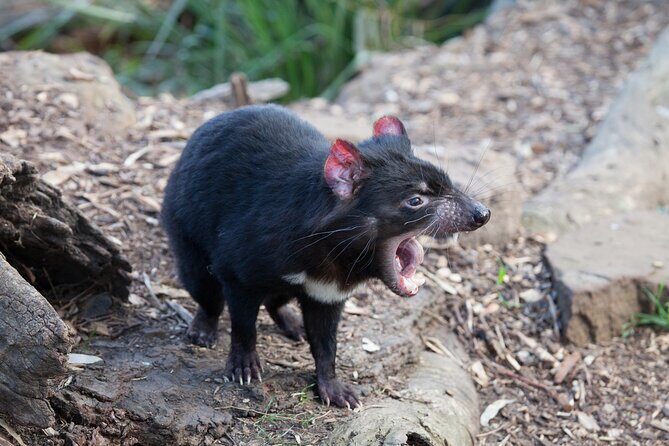
- Bonorong Wildlife Sanctuary with Tasmania’s icons like Tasmanian devils, plus wombats and echidnas
- Kunanyi/Mt Wellington summit with a 1,271-metre overview back across Southern Tasmania
- Small group energy that helps you move through multiple stops in one day
Value and the real promise of this $132.69 day tour
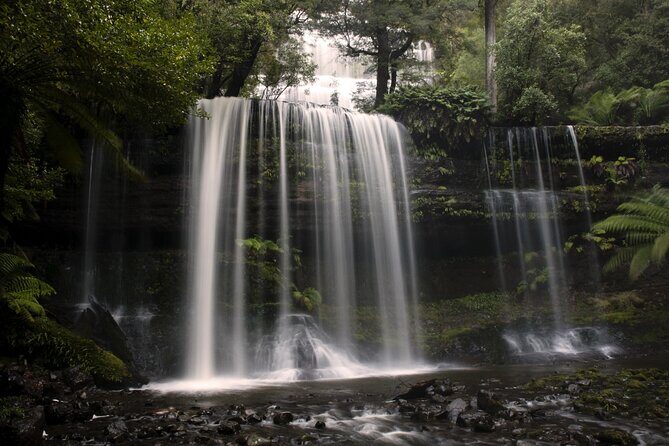
At $132.69 per person for an about-12-hour day, this tour is built for people who want a lot of Tasmania, fast. The biggest reason it feels like good value is that the ticket isn’t just transport and a guide—it also covers national park entrance and Bonorong Wildlife Sanctuary entry. That’s money you’d otherwise pay separately, and it saves time during the day.
You’re paying for guided interpretation, not just a checklist. The day is paced as a sequence of short-to-medium walks with clear payoff at each stop: big-tree forest, iconic waterfall viewpoints, a wildlife park tour, and then a summit view to close it all out.
Also, this is a mobile ticket tour. That’s a small thing, but on travel days it reduces friction—especially when you’re up early and trying to keep the morning simple.
A few more Hobart tours and experiences worth a look

The schedule: why an early start matters (and how it feels)
The tour starts at 7:30 am at 20 Davey St, Hobart and returns there at the end. That early departure is the hidden hero. It gives you daylight for the walks, and it helps the driver and guide keep everyone together through Mt Field, the waterfall circuit, Bonorong, and finally Mt Wellington.
In practice, this kind of day can feel like two modes: walking mode, then driving mode. The driving segments help you recover, but they also mean the stops are active and time-sensitive. One of the best pieces of feedback was about solid timing—getting through a lot without turning the day into a rush-job.
If you’re someone who likes to linger, plan for the fact that the itinerary is built to cover multiple highlights. You’ll have time at each location, but you won’t have hours to wander off on your own at every stop.
Mount Field National Park: giant trees and a real sense of Tasmania

Mt Field is about 1.5 hours from Hobart, which makes it a high-value first stop: you get out of town quickly and into a temperate forest that feels different from coastal Hobart.
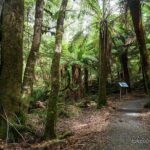
What I like about starting here is the variety built into the park itself. The scenery description points to lush temperate rainforest, moody alpine moorland, and cascading water. That matters because it keeps the morning from feeling repetitive. Even if you’ve seen forest on other trips, Mt Field’s mix of environments gives you that true Tasmanian “how can it look like this” feeling.
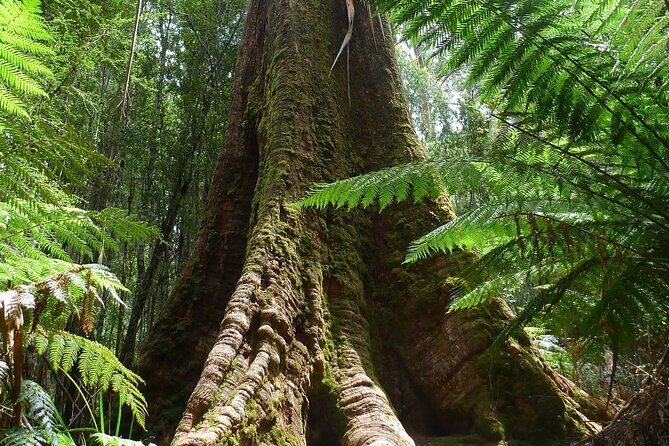
You’ll also be walking amongst giant trees. That’s a more memorable first impression than a quick viewpoint pull-off. Trees like this change your sense of scale fast, and it sets you up for the rest of the day’s theme: nature, not museum stuff.
Potential drawback: you’re starting an active day early, so you’ll want to show up already ready to walk. Comfortable shoes and a light layer help, because weather and temperatures in Tasmania can shift quickly even when the day looks fine at the start.
Russell Falls and Horseshoe Falls: classic waterfalls with different vibes
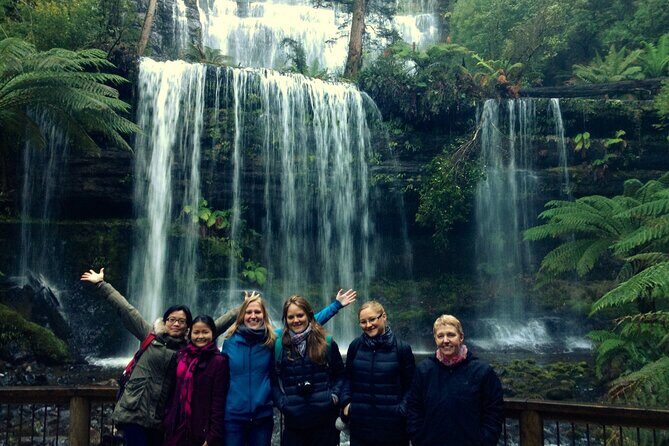
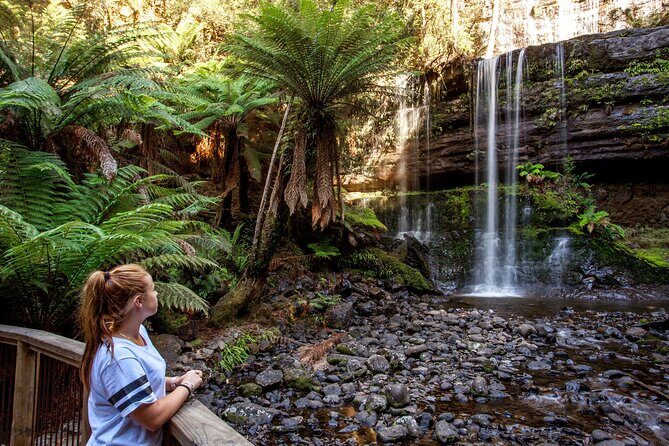
After Mt Field, the tour hits Russell Falls, which is widely recognized for its three-tiered drop. This is a great choice because it’s not just one angle—you get the waterfall’s structure as you walk. The walk time listed is about 45 minutes, which is long enough to feel like you’ve done something, but not so long that it steals the whole morning.
Then you continue to Horseshoe Falls. This is the point where the scenery often feels “more tucked in,” with the falls sitting right in the forest. The itinerary notes that you climb stairs beyond Russell Falls to reach it, and the time given is around 30 minutes.
Why I think this pairing works: Russell Falls gives you a recognizable, satisfying waterfall shape, and Horseshoe Falls adds a contrasting feel—less about the iconic tiers and more about the waterfall’s presence in the trees.
Watch-outs:
- Stairs are part of the plan here, so pace yourself.
- If you’re sensitive to heights or step spacing, take your time on the stair sections and don’t rush for photos.
The Tall Trees Track and Three Falls Circuit: the moment your legs remember
This is where the day turns more physically “active.” The itinerary continues along the Three Falls Circuit and into the Tall Trees Track. The big draw is the Swamp Gums: the track area is known for giant trees around 80 metres tall, and they’re described as the world’s tallest flowering plant.
That’s not just a bragging right. When you walk near trees with that scale, you start noticing details—branches high overhead, trunks that look like structures, and the way the forest floor changes as the canopy rises. It’s a different experience than just looking up from a parking area.
The stop time given is about 1 hour, but the real variable is your comfort with walking on uneven surfaces and managing energy across the day.
A review note singled out the effort level on the final climb, describing a section of about 400 steps straight uphill. That line tells you something important: even if each individual stop seems “reasonable,” the total day stacks up. If you want the best experience, treat the morning as rehearsal. Your goal is steady breathing, not speed.



Bonorong Wildlife Sanctuary: close encounters with Tasmania’s characters

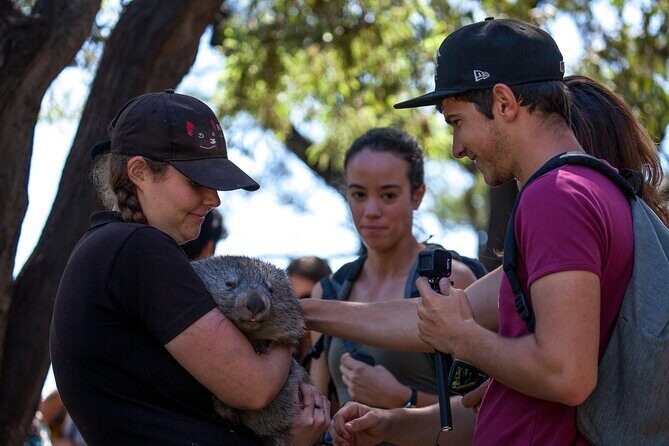
Bonorong Wildlife Sanctuary is about 2.5 hours on the itinerary, and it’s also one of the strongest “why this tour” reasons. The tour overview specifically calls out Tasmania’s icons: Tasmanian devils, wombats, and echidnas.
What makes a guided wildlife visit valuable is context. The sanctuary stop is described as an informative tour led by expert staff, so you’re not just looking at enclosures—you’re learning about the animals’ role in Tasmania’s ecosystem and why these species matter.
Two practical notes from real-world day behavior:
- Wildlife isn’t always performing on schedule. One highlight was still that the sanctuary portion was fun, even when some animals were hiding.
- If you care about seeing specific animals, keep expectations flexible. Animal activity can vary by day and conditions.
Also, the sanctuary timing is a nice break from pure hiking. After waterfall stairs and forest tracks, Bonorong can feel more like a guided walk with time to reset your legs.
Mt Wellington summit (kunanyi): the 30 minutes that make the whole day feel worth it
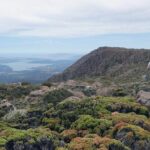
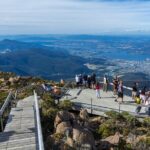
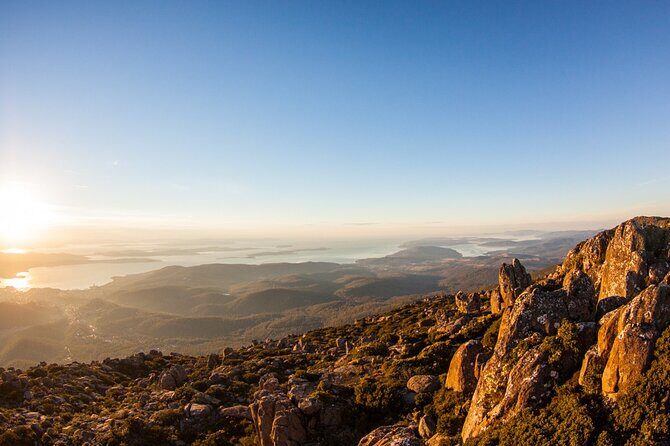
The tour drives roughly 60 minutes from Bonorong to the summit of kunanyi/Mt Wellington, which rises to 1,271 metres above sea level. You get about 30 minutes on top.
That summit stop is doing two jobs at once:
- It provides a huge scenic payoff after the more ground-based walking.
- It gives you a “wrap-up view” that helps connect all the other places you visited to a broader picture of Southern Tasmania.
The time on top is short on paper, but it’s often the right amount. You’ll be able to step out, take in the panorama, and get back before the day gets too long. It also helps you stay warm or sheltered if the weather turns gusty on the mountain.
What to pack, and how fit you need to be
This tour is often described as great, scenic, and full, but it’s also clearly active. If you only do one thing to prepare, do this: wear shoes with solid grip. The day includes forest paths and stair sections.
For planning your effort, here’s the honest way to think about it:
- You’ll do multiple walking segments (including the Three Falls area and Tall Trees Track).
- You’ll climb stairs at the waterfalls.
- You may face a steep uphill climb that reviews describe as extremely challenging.
Bring layers. Mt Field and Mt Wellington can feel different from Hobart, and even within the day, you can get temperature swings.
If your English is basic, you can still enjoy the tour, but it helps to be comfortable listening. One review feedback noted that English can be challenging, yet the guide was patient and re-explained when needed. That’s a reminder: if you want to follow everything, ask questions when you don’t catch a detail.
Guides and group size: what “small and friendly” feels like
The tour runs with small groups up to 20 travelers, and the guide is part of the product. Several guide names show up in experiences: Hannah, Carl, Paris, and Ben. You might get one of these guides, or someone else from the same team, but the consistent thread is clear—guides are attentive and help you keep good time on the day.
This matters most on a long itinerary. When the day depends on connecting stops, good time management turns into an experience upgrade. You spend less of your energy worrying about what’s next and more of it enjoying what you’re actually standing in front of.
Who should book this Hobart active day tour
This tour is a strong fit if you want:
- A structured day that covers Mt Field, Russell and Horseshoe Falls, Bonorong Wildlife Sanctuary, and Mt Wellington without arranging separate transport.
- Outdoor time and photos, but also explanations from a guide.
- A full-day experience that’s about doing, not just looking.
It may be less ideal if you:
- Prefer long, unhurried walks with minimal stairs.
- Have knee or mobility limitations and are worried about steep uphill climbing and stair sections.
- Want a day where most animals are guaranteed to be visible. Wildlife activity can vary.
Quick value check: what’s included and what you handle
Included:
- National park entrance fee
- Wildlife park entrance fee
- Professional guides and interpretive walks
- Small, friendly groups
Not included:
- Lunch. The tour stops in a regional town at a local bakery so you can buy lunch/snacks to take along.
That lunch detail is important for budgeting and energy. Since you’ll be out most of the day, plan to grab something that works for you: a sandwich, snacky items, and any drink you like for the road.
Should you book this tour?
If you’re the type of traveler who likes to pack a day with real scenery and keeps reasonable expectations about walking stairs, I think this is an easy yes. The combination is hard to beat: giant-tree forest, two memorable waterfall stops, Tasmania’s wildlife icons at Bonorong, and a summit viewpoint that puts the icing on top.
I’d only skip or swap this tour if you know you’ll struggle with steep climbs and stair-heavy sections. In that case, you might want a calmer option that matches your pace.
FAQ
What is the duration of the Hobart Waterfalls, Wilderness & Wildlife tour?
The tour runs for about 12 hours.
Where does the tour start and end?
It starts at 20 Davey St, Hobart TAS 7000 and ends back at the same meeting point.
What time does the tour start?
The start time is 7:30 am.
How many people are in the group?
The tour has a maximum group size of 20 travelers.
Is lunch included?
No. Lunch isn’t included, and you’ll stop at a local bakery in a regional town to purchase lunch and snacks to take along.
Are entrance fees included?
Yes. National park entrance and Bonorong Wildlife Sanctuary entry are included.
What are the main stops on the day?
The tour includes Mt Field National Park, Russell Falls, Horseshoe Falls, a Tall Trees Walk, Bonorong Wildlife Sanctuary, and the summit of kunanyi/Mt Wellington.
How long is the waterfall walking portion?
Russell Falls is listed at about 45 minutes, Horseshoe Falls about 30 minutes, and the Tall Trees Track about 1 hour.
What wildlife might I see at Bonorong?
The overview lists Tasmanian devils, wombats, and echidnas.
What if the weather is poor?
The experience requires good weather. If it’s canceled due to poor weather, you’ll be offered a different date or a full refund.