REVIEW · HOBART
48 Hour Hobart City Hop-On Hop-Off Tour
Book on GetYourGuide →Operated by Red Decker Company · Bookable on GetYourGuide
Open-top buses make cities feel bigger, faster. This 48-hour Hobart City Loop is a smart way to get oriented, then return at your own pace—thanks to the multilingual audio commentary and 20 well-chosen stops across the CBD and waterfront. I like that it’s flexible enough for a quick first look and also detailed enough to help you decide what’s worth your time.
What I also like is the practical setup: you can stay on the bus for the 90-minute loop or hop off repeatedly as long as you’re within the 48-hour window. My main caution is simple: the stops are great, but you may still face some walking—so if you’re traveling with elderly relatives or tight mobility, it’s worth planning your route and backup options around longer attractions.
In This Review
- Key points before you board
- How the Red Decker 48-Hour Ticket Works in Hobart
- Front-Row Views from an Open-Top Double Decker
- Salamanca, Battery Point, and the Waterfront Stops That Set the Scene
- Museums, Maritime History, and the MONA-Facing Storyline
- Plant Gardens and Brewery Breaks: Sandy Bay, Cascade, and Cascades
- Rivers, Docks, and Aquatic Energy: Hobart Aquatic Centre and Victoria Docks
- Your 2-Day Game Plan: Hop Strategically, Not Randomly
- Commentary and Languages: How It Changes the Ride
- Price and Value: Is $38 a Good Deal for Hobart?
- When the Hop-On Hop-Off Bus Won’t Match Your Needs
- Should You Book the 48 Hour Hobart City Hop-On Hop-Off Tour?
- FAQ
- How long is the Hobart City Loop tour?
- When does the City Loop operate?
- How many stops are included on the City Loop?
- What languages are available for the audio commentary?
- Where can I board the bus?
- Is the tour wheelchair accessible?
- What is the cancellation policy?
Key points before you board

- Official city loop with 20 stops across Hobart’s CBD, waterfront, and major visitor areas
- Open-top views that make places like Salamanca and the water front easier to understand
- Multilingual GPS-style commentary, plus complimentary earphones on the bus
- Good flexibility: ride the full 90 minutes or hop on and off as much as you want for 48 hours
- Onboard extras: Wi‑Fi and a complimentary sightseeing guidebook
How the Red Decker 48-Hour Ticket Works in Hobart

The Red Decker ticket is valid for 48 hours from the time you first board, not from midnight. That means you can use it like a “city sightseeing day” plus an extra half-day (or full second day) when you find something you want to revisit.
You’ve got two ways to experience it. If you want a quick orientation, you can stay on for the 90-minute city loop. If you’d rather control the pace, you can hop on and hop off as many times as you like while the buses are running.
The City Loop runs 7 days a week, with buses operating from 9:00 to 16:30. That time window matters. If you like early mornings or you’re trying to pack in evening plans, you may want to use the bus first, then shift museums, tours, and dining into the late afternoon.
More hop-on hop-off bus in Hobart & Tasmania



Front-Row Views from an Open-Top Double Decker

Hobart’s best “aha” moments often come from elevation and angles, and an open-top double decker does that job quickly. From the top deck, you’ll get a clearer sense of how the city sits between the water and the hills—especially around the waterfront and the CBD.
You’ll also appreciate that the commentary is designed to move with you. The bus provides professional audio commentary in English, and on select buses you can choose other languages (more on that below). Complimentary earphones are available from your driver, which helps a lot if you’re near other passengers or just want to focus.
There’s also Wi‑Fi onboard and a complimentary sightseeing guidebook. I like using those during the day because it turns the bus from a simple ride into a planning tool. You can check what you’ll do next while you’re still sitting on a seat with actual city views.
Salamanca, Battery Point, and the Waterfront Stops That Set the Scene
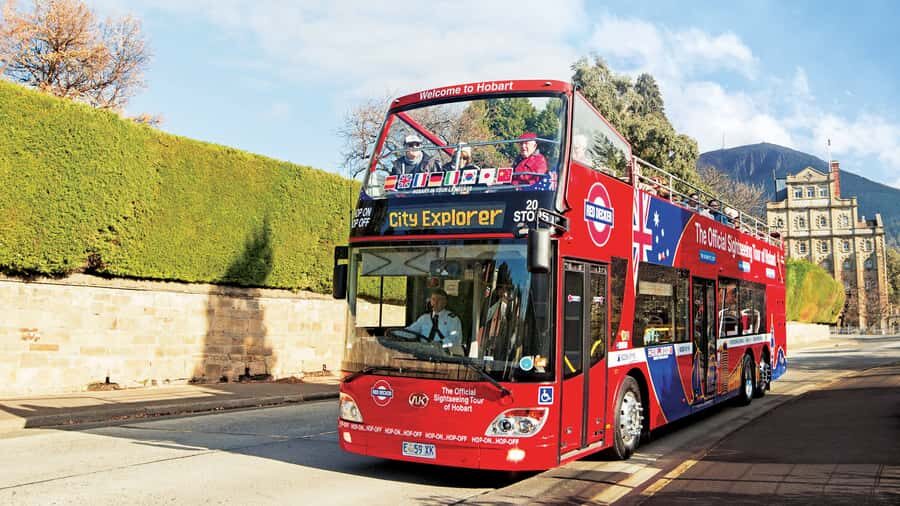
The loop includes some of Hobart’s most recognizable places, and they land in a way that helps you connect the geography.
Brooke Street Pier (MONA ferry terminal) is a strong starting point if you’re thinking about the MONA area. Even if you’re not doing a ferry that day, the waterfront setting is where you start to understand why people keep talking about Hobart’s water front.
Salamanca Place is the classic city stop. The value here is not only the sights—it’s the orientation. When you hop off, you can take a little time to reset your bearings before you continue north or east.
If you want charm and old-street atmosphere, Battery Point is part of the circuit. One caution: the commentary coverage here may not match what you expect. In at least one experience, the bus didn’t emphasize the historical points of interest around Battery Point, so I’d treat this as a place to explore visually and plan a quick extra look if history is a priority.
Wrest Point Casino works as a practical landmark. Even if you’re not going in, it helps you track where you are and how the waterfront transitions into the city’s larger entertainment and access zones.
Then you’ll circle back through Hobart CBD, which is basically your connector hub. When you’re hopping on and off, this is where you can efficiently jump from one cluster of sights to another without burning time trying to catch taxis or re-navigate.
Museums, Maritime History, and the MONA-Facing Storyline
Hobart’s “learn more” stops are built right into the loop, so you don’t have to pick only one museum day.
Tasmanian Museum & Art Gallery is one of the most useful hops if you want context fast. Even a short visit can help you understand what you’re seeing around the rest of the city.
Maritime Museum of Tasmania adds another layer: Hobart’s relationship with shipping, sea life, and trade. If you’ve got rainy weather or you’re museum-curious, this is a good pivot stop because it complements the waterfront locations you’ve already seen from the top deck.
The Tench Penitentiary Chapel is the kind of stop that shifts the mood. If you want a darker thread in the story of Hobart, this chapel is the sort of place that can make the rest of your sightseeing feel more grounded in place and time.
If you’re doing hop-off hop-on style, I recommend treating these museum and heritage stops as “anchor visits.” Rather than trying to cram every stop, pick one or two of these serious stops and protect your energy.
Plant Gardens and Brewery Breaks: Sandy Bay, Cascade, and Cascades
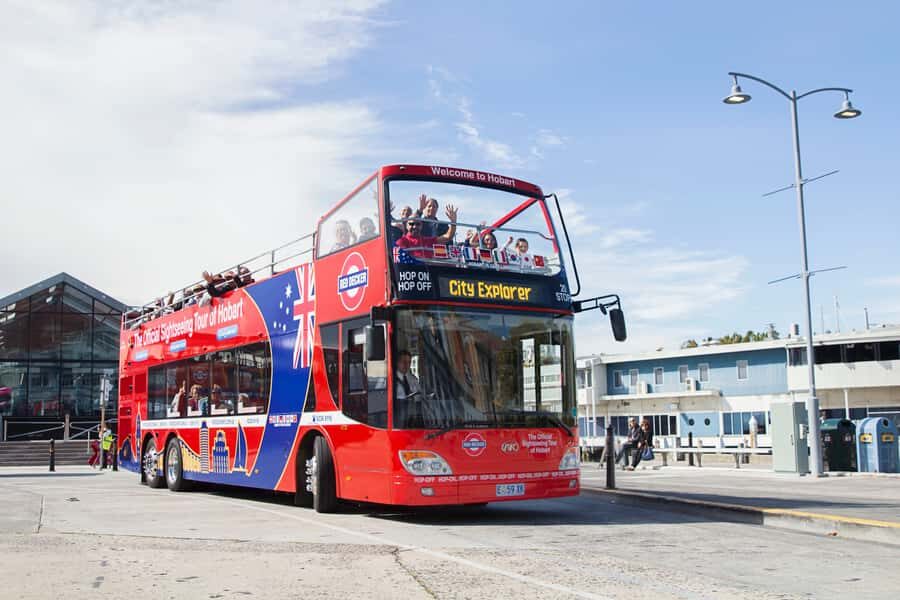
The loop stretches beyond the CBD into areas that feel different once you’re off the main grid.
Sandy Bay Village is a helpful change of scenery. It’s one of those areas that gives you breathing room between the city’s major tourist clusters. If you want a slower walk, a snack break, or just a calmer vibe for 30–60 minutes, this is a decent option.
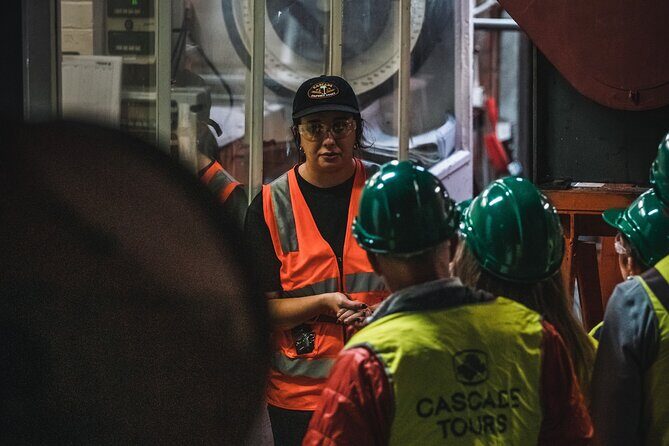
Cascade Brewery is on the circuit, and it’s a nice choice if your Hobart day needs something a little more laid-back. It also gives you flexibility: even if you don’t do a full tour, you can still use it as a structured excuse to stretch your legs outside the tight center.
Cascades Female Factory is a big historical stop on the route, but here’s where I’d plan smart. In at least one experience, the bus didn’t drop passengers directly at the Female Factory, meaning you still had a fair walk to reach it. That doesn’t mean the stop isn’t worth it—it’s noted as well worth visiting—but if you’re traveling with elderly relatives or you’re managing mobility, confirm how close the drop-off will be before you count on a perfectly convenient stop.
Other city tours we've reviewed in Hobart






Rivers, Docks, and Aquatic Energy: Hobart Aquatic Centre and Victoria Docks

Hobart Aquatic Centre isn’t the most iconic word on a brochure, but it makes sense as a practical city reference point. For me, it’s one of those “you’re really in Hobart now” stops—useful if you’re walking a route, meeting someone, or fitting in something active before you settle back into museums and heritage.
Victoria Docks pairs naturally with the rest of the waterfront loop. When you see docks, then ride past the CBD and museums, the city’s layout starts to click. This is the payoff for taking the bus seriously for orientation on day one.
Your 2-Day Game Plan: Hop Strategically, Not Randomly

Because the ticket is valid for 48 hours, you don’t have to decide your whole trip on day one. Still, I think it helps to run day one like a scouting mission.
Day 1 (Orientation day): ride the 90-minute loop (or do the most of the route you can) so you understand where everything is. That’s the easiest way to avoid wasting time later, because once you’re back on the bus you’ll know which stop you want to revisit. This is also when multilingual audio is at its best—listen, look, then decide.
Day 2 (Pick-your-winners day): return to the places that matched your interests. If you loved the museum vibe, make one museum-heavy hop. If you preferred waterfront walks, go back to the water front stops and pair them with a longer stroll. The city loop time window ends at 16:30, so I’d plan your longer visits earlier.
A helpful thought from an experience I’ve heard: you may only need 24 hours if your trip is short and you’re already sure what you want. But having the full 48 hours is what makes the tour feel like value, not a pressure cooker. You can loosen your schedule when you hit a line, weather changes, or you just want to linger.
Commentary and Languages: How It Changes the Ride
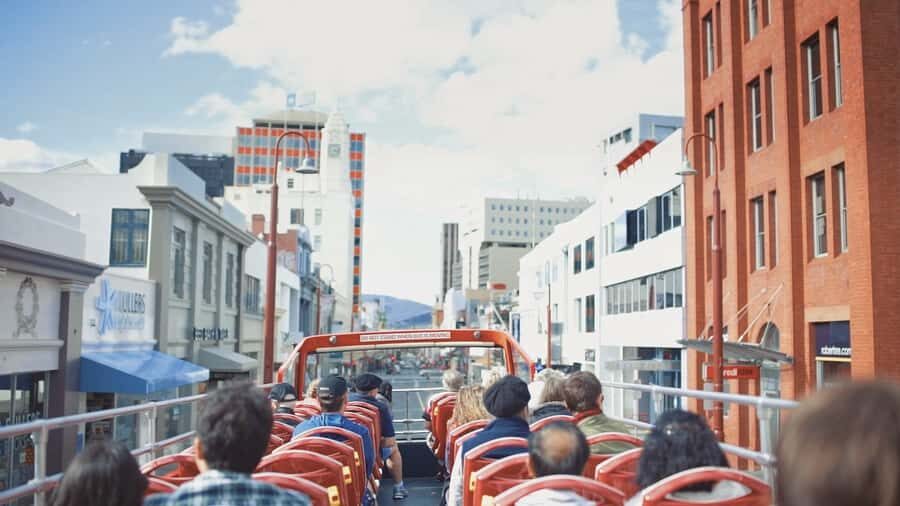
The bus uses GPS-style commentary that’s available in English and, on select buses, options including French, German, Italian, Japanese, Korean, Mandarin, and Spanish. That’s a big deal because it turns the loop into more than transportation—it becomes a guided primer.
I also like the way the bus can handle different learning styles. If you’re traveling as a mixed group, someone can listen closely, someone can just enjoy the scenery, and you all still get a shared baseline.
One name to remember if you end up on the right day: Tony. In one account, Tony was not only friendly and informative, but also funny while giving extra commentary. That kind of delivery matters. It makes the bus feel less like an automated system and more like a living city lesson.
If you’re choosing a language, pick the one you’ll actually pay attention to. English works for most people, but if you’re traveling with friends or family who feel more comfortable in Spanish, French, German, Italian, Japanese, Korean, Mandarin, or Chinese, the right language can turn the ride from background noise into real understanding.
Price and Value: Is $38 a Good Deal for Hobart?

At $38 per person for a 2-day ticket, the value depends on how you travel and what you need most: orientation, transport, or guided context.
This ticket tends to pay off if you want:
- a low-effort way to see lots of highlights without planning every step,
- a flexible schedule that lets you revisit stops you like,
- and built-in audio commentary so you don’t rely only on your phone.
The extra elements help the math feel fair: Wi‑Fi, a complimentary sightseeing guidebook, and earphones add small comforts that make longer days more pleasant. Plus, you can do the 90-minute loop even if you’re tired, which is a simple convenience when you’ve been walking all morning.
Where you might feel less satisfied is if you mainly want one or two attractions and you already know exactly where you’re going. If that’s your style, you could spend money just to ride between a couple places you could reach on foot or by other transport. In that case, you’d be using the bus more as a shuttle than as a sightseeing tool.
My practical rule: if this tour helps you make smarter choices for the rest of your Hobart days, it’s usually worth it. If you’re already fully locked into a tight plan with no flexibility needed, the value drops.
When the Hop-On Hop-Off Bus Won’t Match Your Needs
Hop-on hop-off tours are fantastic at flexibility. They’re less perfect at strict precision.
First, watch for timing issues. One experience described waiting about 15 minutes at a wharf before the bus started moving. That can throw off a day if you’re very time-bound. Keep a little slack in your schedule when you’re counting on connections.
Second, check your expectations for close drop-offs. With Cascades Female Factory, an account noted that the bus didn’t stop directly at the site, so there was still a walk to reach it. If you’re making this a key stop and your group needs minimal walking, plan for the possibility of a longer approach.
Third, don’t assume every stop will be equally covered in historical detail. In one experience, the bus didn’t highlight historical points of interest around Battery Point as expected. That’s not a deal-breaker if you’re okay with a more visual exploration, but it’s a reason to pair the bus with one or two independent visits if history is your top interest.
If you’re traveling with elderly relatives, I’d treat this as a helpful tool for movement and views—but not as a guarantee of door-to-door convenience.
Should You Book the 48 Hour Hobart City Hop-On Hop-Off Tour?
Book it if you want an easy way to get oriented, see the city’s main anchors, and keep your plans flexible across two days. The open-top views, 20 stops, and multilingual commentary make the bus feel like part tour, part strategy session.
I’d also book it if you’re traveling as a group with mixed interests. One person can go museum-heavy while another just wants waterfront walking and scenic angles, and the bus keeps everyone coordinated.
Skip it or rethink it if you’re short on time, highly budget-focused with only one or two stops you care about, or you need the kind of perfect close drop-offs that some heritage sites may not provide. In that case, you might do better with targeted transport or fewer planned stops.
In the end, this tour is best when you treat it like a tool: ride early, decide your priorities, then build the rest of your Hobart days around the stops that genuinely grab you.
FAQ
How long is the Hobart City Loop tour?
You can ride for a 90-minute city loop, and your 48-hour ticket lets you hop on and off at the stops during that validity window.
When does the City Loop operate?
The City Loop buses run between 9:00 and 16:30.
How many stops are included on the City Loop?
The City Loop includes 20 stops.
What languages are available for the audio commentary?
Audio commentary is available in English and, on select buses, in Spanish, Chinese, French, German, Italian, Japanese, and Korean.
Where can I board the bus?
You can start at the Tasmanian Travel and Information Centre, corner of Elizabeth and Davey Streets in Hobart, or hop on at any of the stops during the day.
Is the tour wheelchair accessible?
Yes, the tour is wheelchair accessible.
What is the cancellation policy?
You can cancel up to 24 hours in advance for a full refund. If you cancel within 7 days of the arrival date, a 100% cancellation fee applies, and if you cancel with more than 7 days notice there is a 30% administration charge.